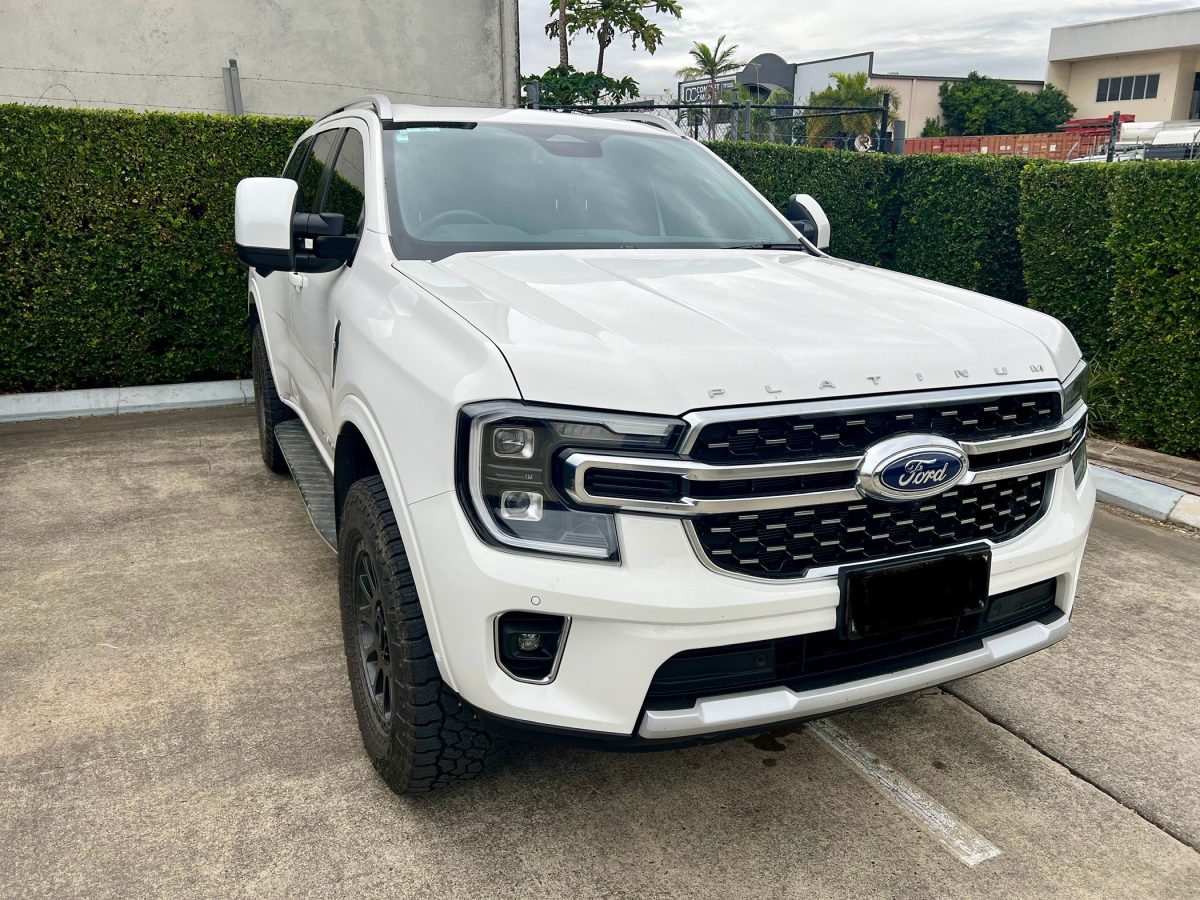
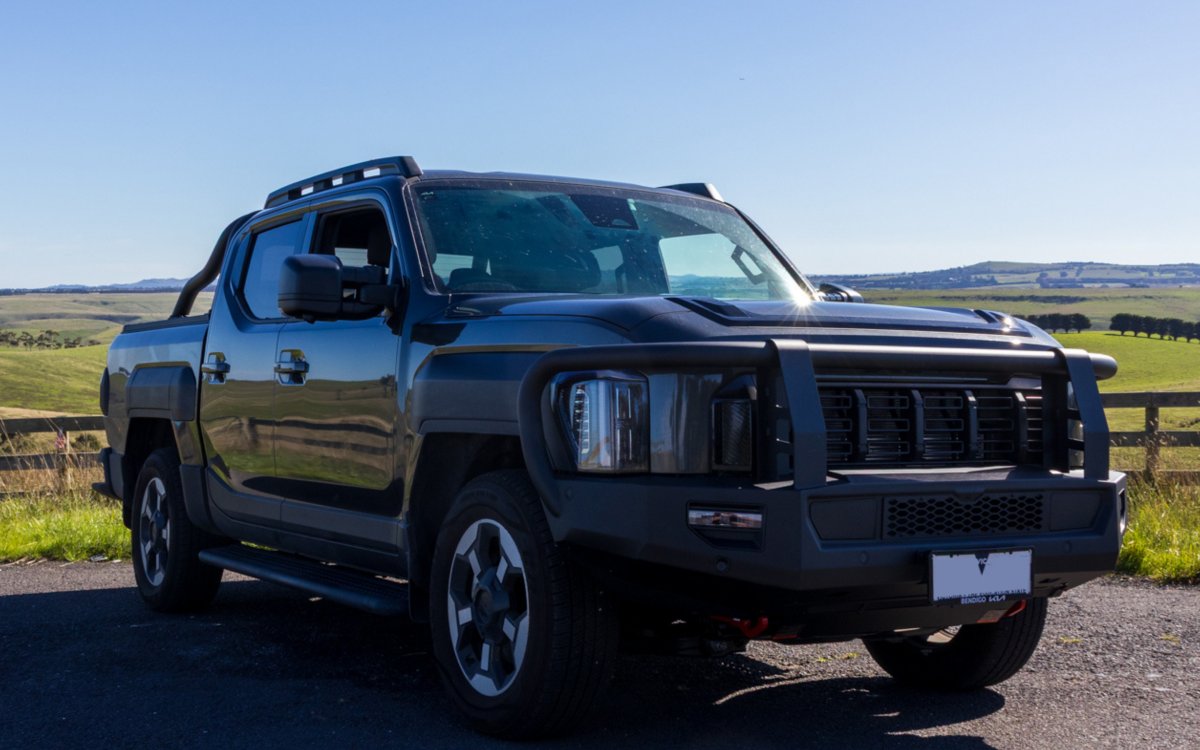
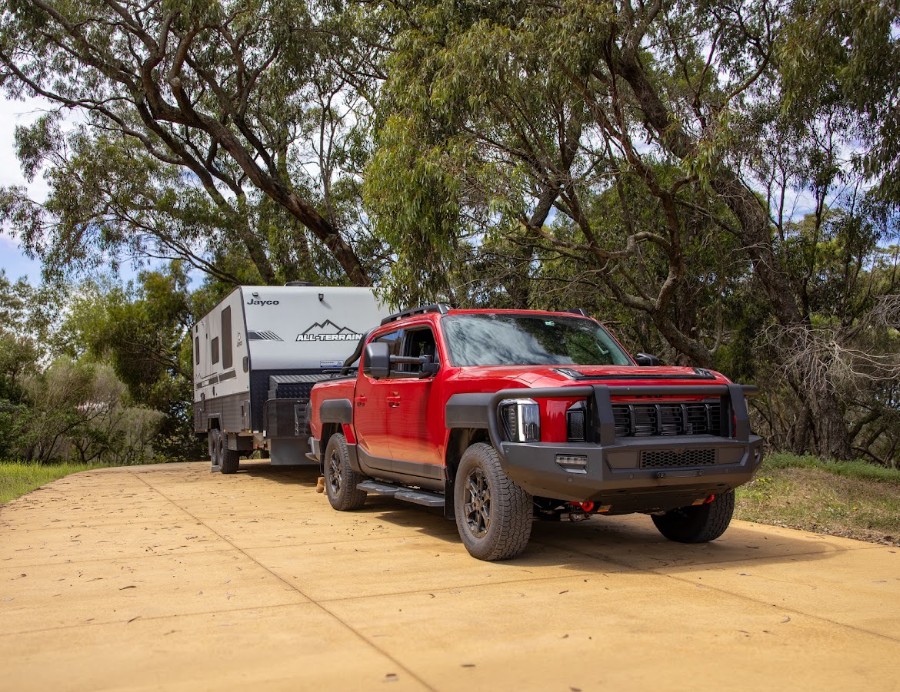
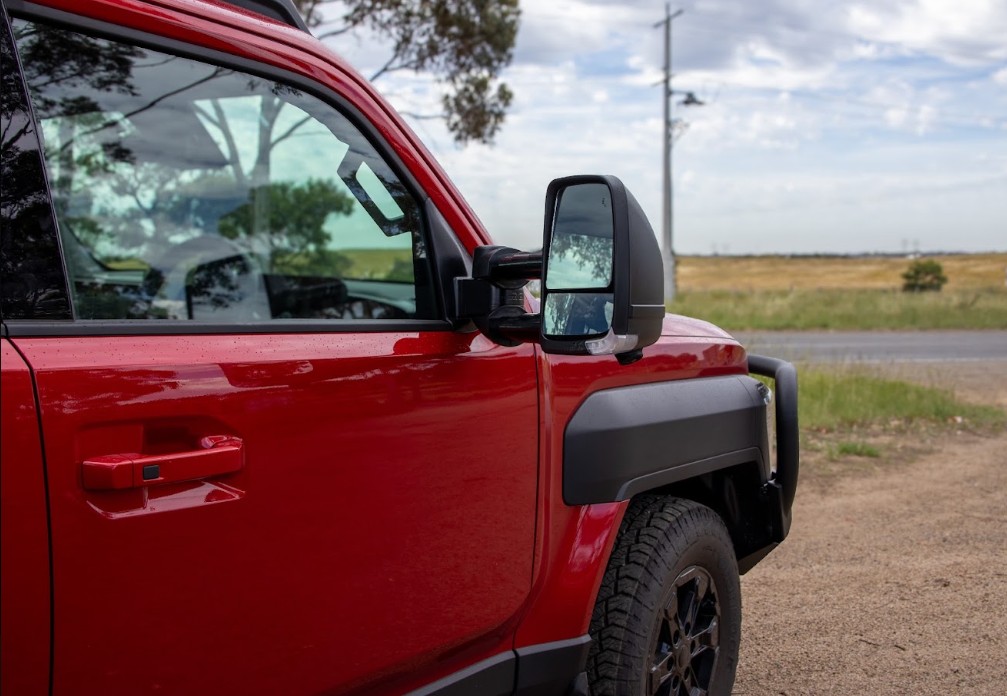
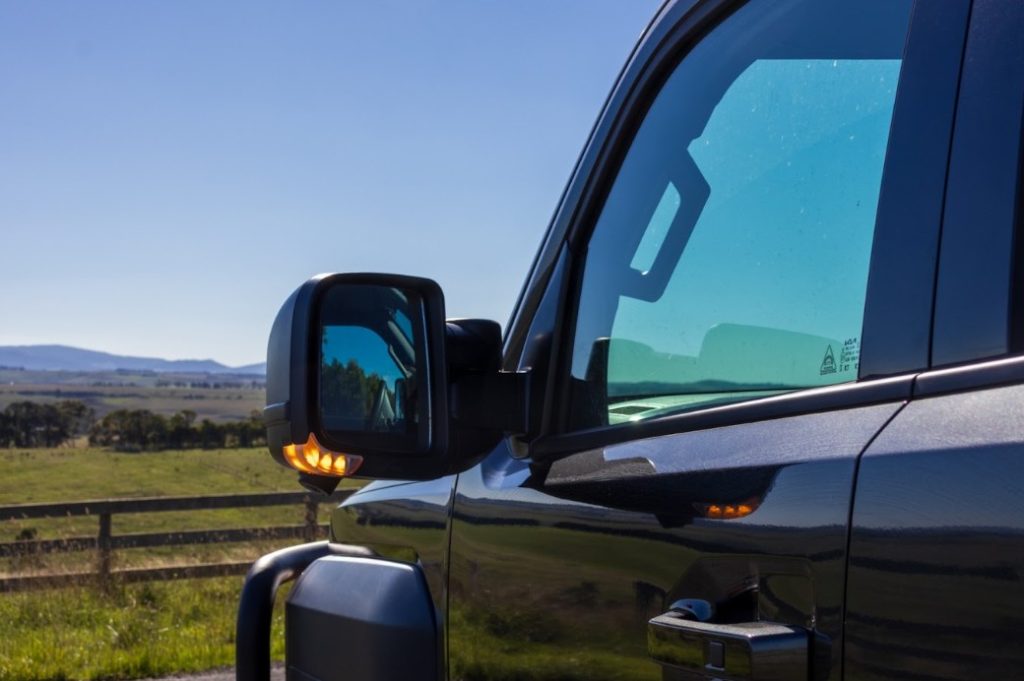
Most of us have bumped a side mirror at some point. A tight garage, a narrow track, an overeager reverse park. We shrug it off. The glass didn’t crack, the rest of it is just aesthetics, right? But what if that mirror housed one of the most important sensors in your entire vehicle? On the next-generation Ford Ranger and Ford Everest, it does. Tucked beneath the side mirror sits a small component called the Outside Air Temperature (OAT) sensor. It looks unremarkable. And yet, without it, several of your vehicle’s smartest features simply stop working properly.
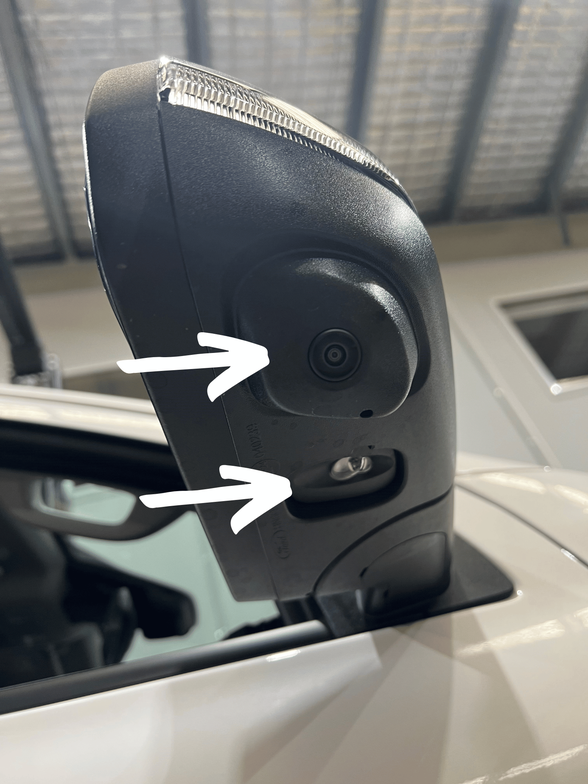
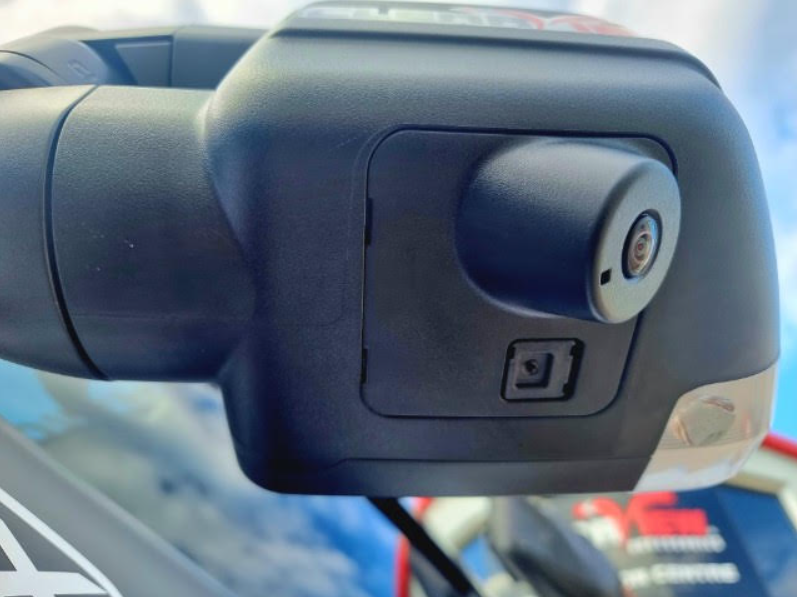
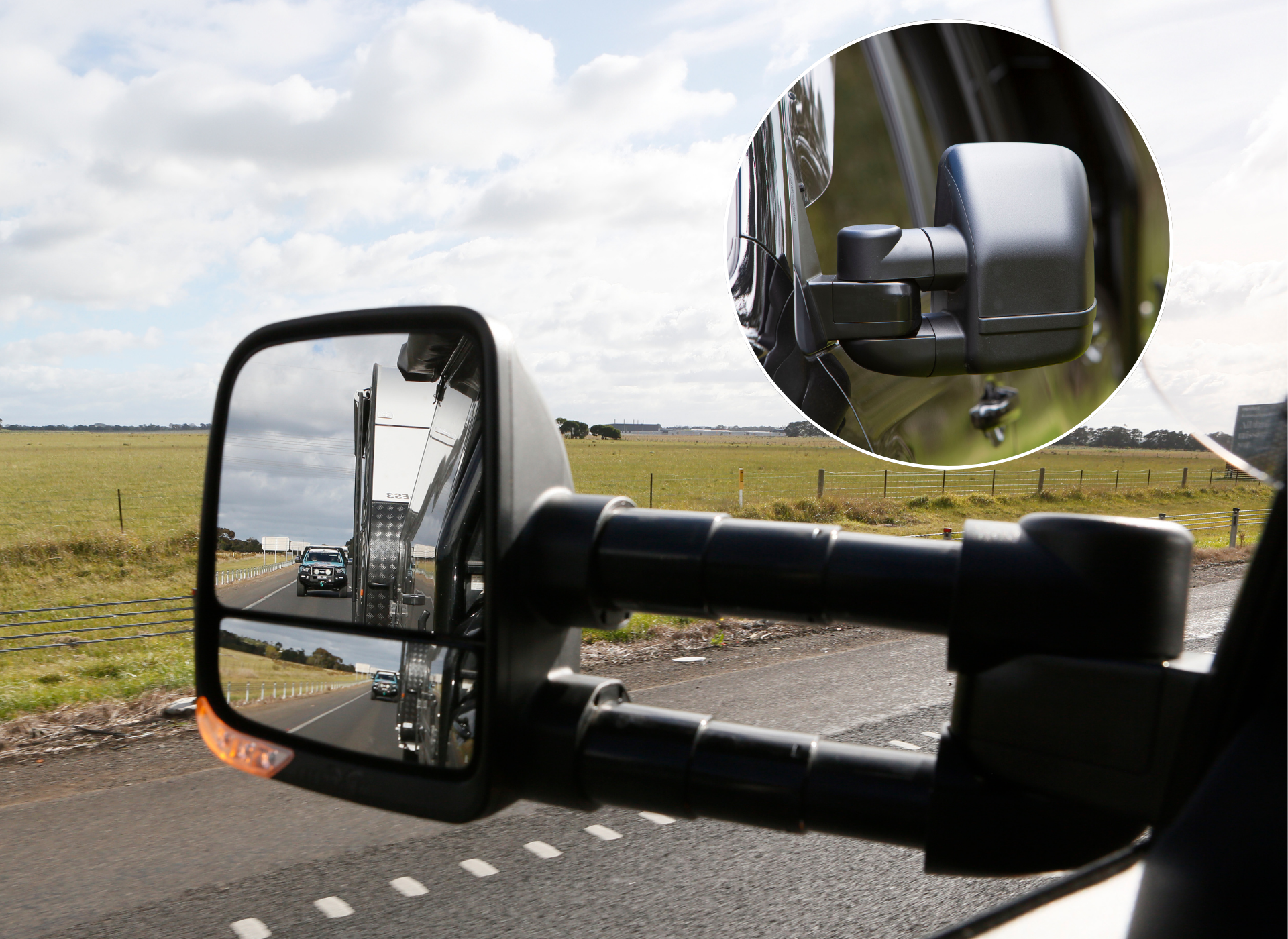
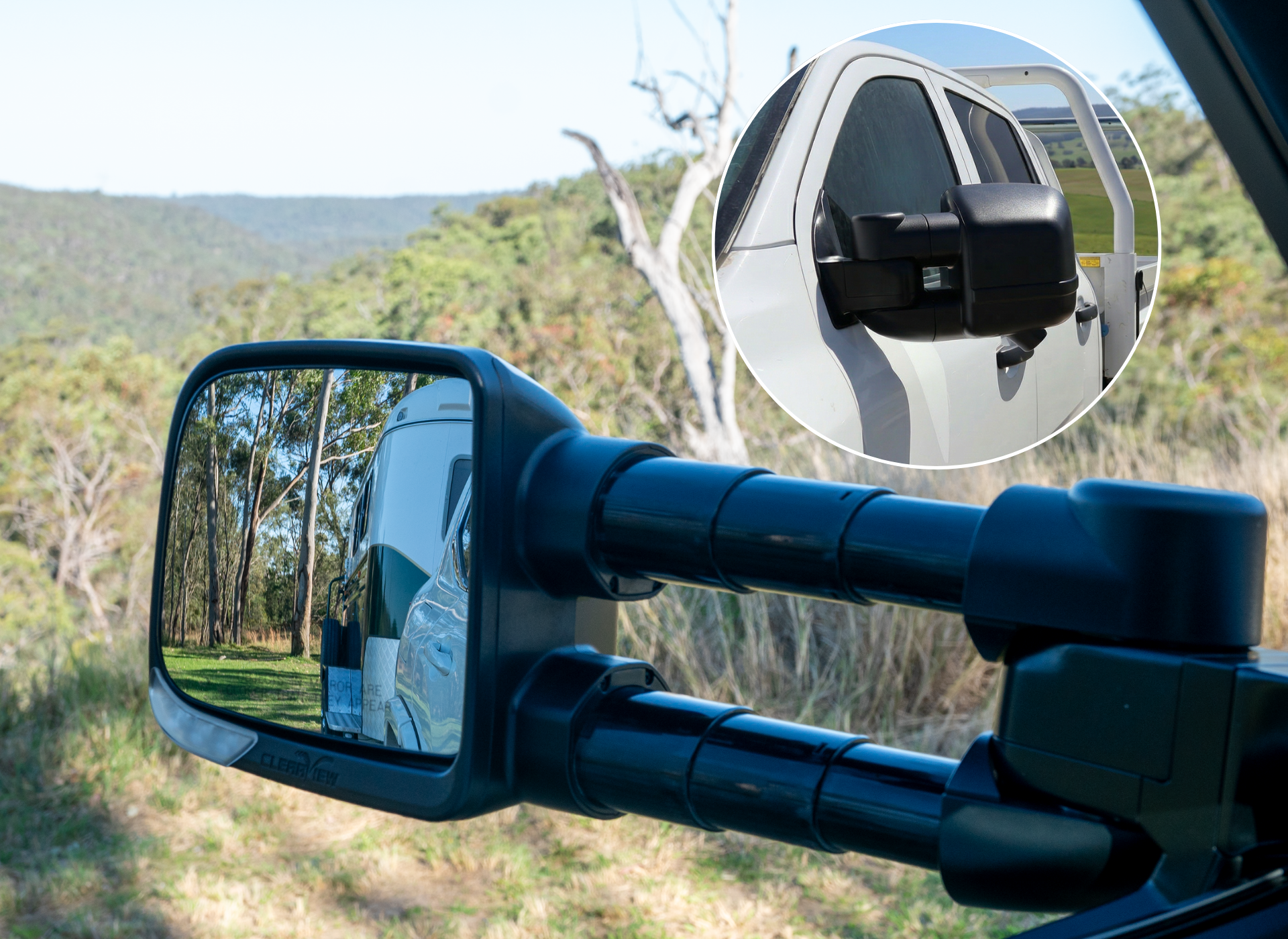
360 camera and OAT sensor visible under the Ford Ranger factory side mirror.
What Exactly Does the OAT Sensor Do? At its most basic, the OAT sensor measures the ambient air temperature outside your vehicle. That’s the number you see on your dashboard display. According to Sandy Fragapane, Ford’s Climate Control Attribute supervisor for ICE Propulsion and Thermal Systems, the sensor is “one of the most important sensors” on these vehicles. “Without the information gathered by the temperature sensor, features like the front and rear parking sensors and the air-conditioning system wouldn’t function properly. It really is that critical.” What could air temperature possibly have to do with parking? The answer lies in physics. Your parking sensors work by emitting ultrasonic sound waves — pitched too high for human ears to detect. Those waves bounce off nearby objects and return to the sensor. By measuring how long that round trip takes, the system calculates the distance to a wall, a pole, or the car behind you. But sound doesn’t travel at a fixed speed. It moves faster through warm air and slower through cold air. So on a hot summer afternoon, the “ping” returns quicker than it would on a frosty winter morning — even if the object sits at exactly the same distance. Without knowing the outside temperature, the system would miscalculate and the distance shown on your screen could be wrong. As Fragapane explains, “the temperature sensor tells the system how hot or cold it is so the distance can be calculated in real time.” Your Climate Control Runs Smarter Because of It Switch your climate control to auto mode and the vehicle takes over. The fan speeds up, slows down, warms or cools the cabin to hold your preferred temperature. That effortlessness relies on the OAT sensor. Knowing the outside temperature lets the system work out exactly how much heating or cooling the cabin needs — and how to achieve it using the least amount of energy. On a 40°C day, the system knows to work harder. On a mild morning, it eases off. As Fragapane puts it: “The outside air temperature sensor tells the driver what the ambient temperature is, but the way the vehicle uses this information goes way beyond that.”
Why Hide It Under the Mirror? To measure ambient temperature accurately, the sensor needs to be shielded from anything that would skew the reading. Bolt it near the engine and it picks up radiated heat. Leave it in direct sunlight and it bakes. Expose it to driving rain and it reads cold and wet, not the true air temperature. The underside of the side mirror solves all three problems at once. Fragapane confirms that: “Placing the temperature sensor beneath the side mirror means it’s away from hot engine parts, and out of direct sunlight and rain which can all skew the accurate measurement of the ambient temperature.” The sensor connects directly to the vehicle’s powertrain control module (PCM), feeding its readings to every system that depends on accurate ambient data.
So, What Happens When You Fit Towing Mirrors? If the OAT sensor lives in your factory mirror, and you replace that mirror with a towing mirror, what happens to the sensor? Do your parking sensors start miscalculating? Does your climate control lose its edge? Does the dashboard show the wrong temperature? When you fit a Clearview towing mirror to a vehicle equipped with a factory OAT sensor, the sensor is relocated from the original mirror into the Clearview mirror. It stays in the same protected environment — shielded from heat, sun, and rain — and remains connected to your vehicle’s systems exactly as the manufacturer intended.
The result? Your parking and clearance sensors keep calculating distances accurately. Your automatic climate control keeps running efficiently. Your dashboard keeps showing the correct outside temperature. The factory functionality stays intact. When you tow, you’re already asking a lot of your vehicle. Fitting towing mirrors that safeguard your factory sensors is the standard you should expect. That’s the standard Clearview builds to. Because keeping you safe on the road means keeping the systems that protect you intact — right down to the smallest sensor in your mirror.
Spring might be the most underrated season for hitting the road with a caravan in tow. The summer crowds haven’t arrived. The winter chill has lifted. And across much of the country, the landscape explodes into colour. Yet, so many caravanners still default to the December-January rush, paying peak prices to share crowded sites in punishing heat. We make the case for spring touring, sharing six road trips worth planning your season around. For each one, you’ll find the highlights, what to see and tow, and the practical towing details for once you’re on the move.
Why Spring Is a Great Season for Caravanning
Spring weather sits in the sweet spot. From September to November, most of Australia trades temperature extremes for mild, stable days. That means less strain on your vehicle, more comfortable nights, and fewer moments towing through extreme heat or storms.
The wildflowers are genuinely worth the trip. Western Australia alone hosts one of the largest wildflower displays on the planet, with thousands of species carpeting the landscape. Other states put on their own shows. If you’ve only ever seen these regions in a brochure, spring is when they earn the reputation.
The crowds thin out. School holidays haven’t hit their peak, sites are easier to book, and roads carry less traffic. Fewer vehicles means less pressure when you’re merging, overtaking, or reversing a van into a tight bay.
Whilst milder conditions can lull you into treating preparation as optional, Spring still brings sudden weather shifts, wet-season tails in the north, and unpredictable coastal winds. Good gear and clear vision are just as important.
The Coral Coast, Western Australia Running north from Perth toward Exmouth, the Coral Coast is arguably the headline act of Australian spring touring. This is wildflower country at its most spectacular, paired with the kind of coastline that makes you question why you’d holiday anywhere else.
Highlights: Kalbarri National Park’s gorges and coastal cliffs, the wildflower stretches around Coalseam and Mullewa, and the reef at Ningaloo where you can snorkel straight off the beach. What to see and tow: A caravan or camper trailer suits the long distances here perfectly. Bring snorkelling gear for Ningaloo and plenty of water storage — services thin out considerably as you head north. Practical towing tips: Distances between towns are long, so plan fuel stops carefully and check tyre pressures before each leg. The exposed coastal sections can throw strong crosswinds at you, which is exactly when rear vision becomes a safety issue. Standard mirrors leave you guessing about what’s beside your van when the wind picks up; a set of extended towing mirrors keeps the full flank of your caravan in view, giving you the stability and reach that factory mirrors simply weren’t designed to provide on a loaded tow.
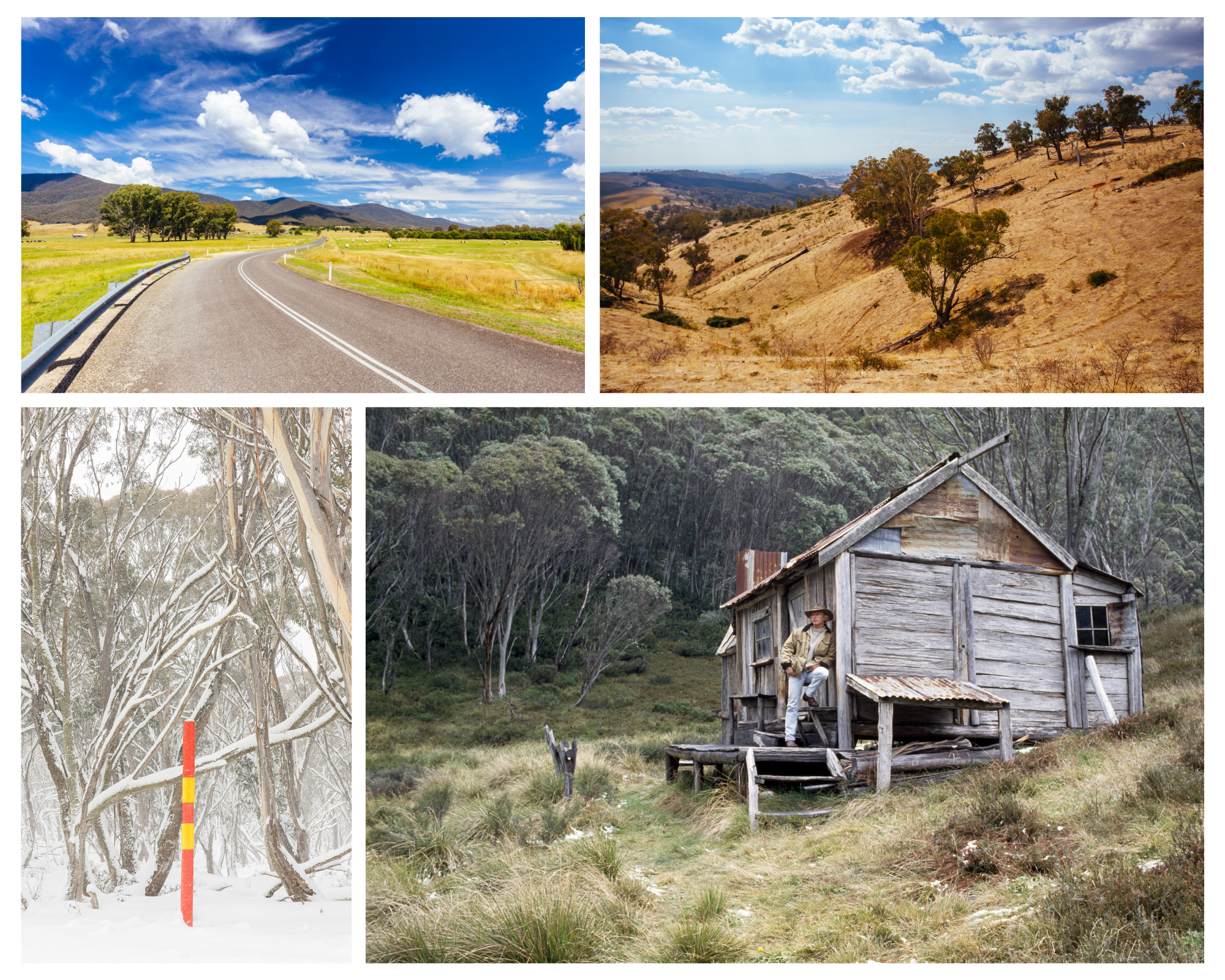
The Great Alpine Road, Victoria Spring transforms Victoria’s high country. The snow retreats, the mountain passes reopen, and the valleys turn green. The Great Alpine Road is one of Australia’s most spectacular high-country touring routes, which tells you plenty about what your setup needs to handle.
Highlights: The historic gold town of Bright, the climb over Mount Hotham, and the food-and-wine detours through the Ovens and King valleys. What to see and tow: A mid-sized caravan or a well-set-up camper handles the gradients best. Pack layers — alpine spring swings from warm afternoons to genuinely cold evenings. Practical towing tips: This is the route that tests your brakes, your suspension, and your patience. Long descents demand low gears rather than constant braking, and the tight, winding sections leave little margin for error. Blind corners and steep drop-offs make clear rear vision essential when you’re judging whether it’s safe to let faster traffic pass. Clearview’s Next Gen mirrors, with their large flat top glass for accurate distance judgment and convex lower glass for wider awareness, earn their keep on exactly this kind of terrain.
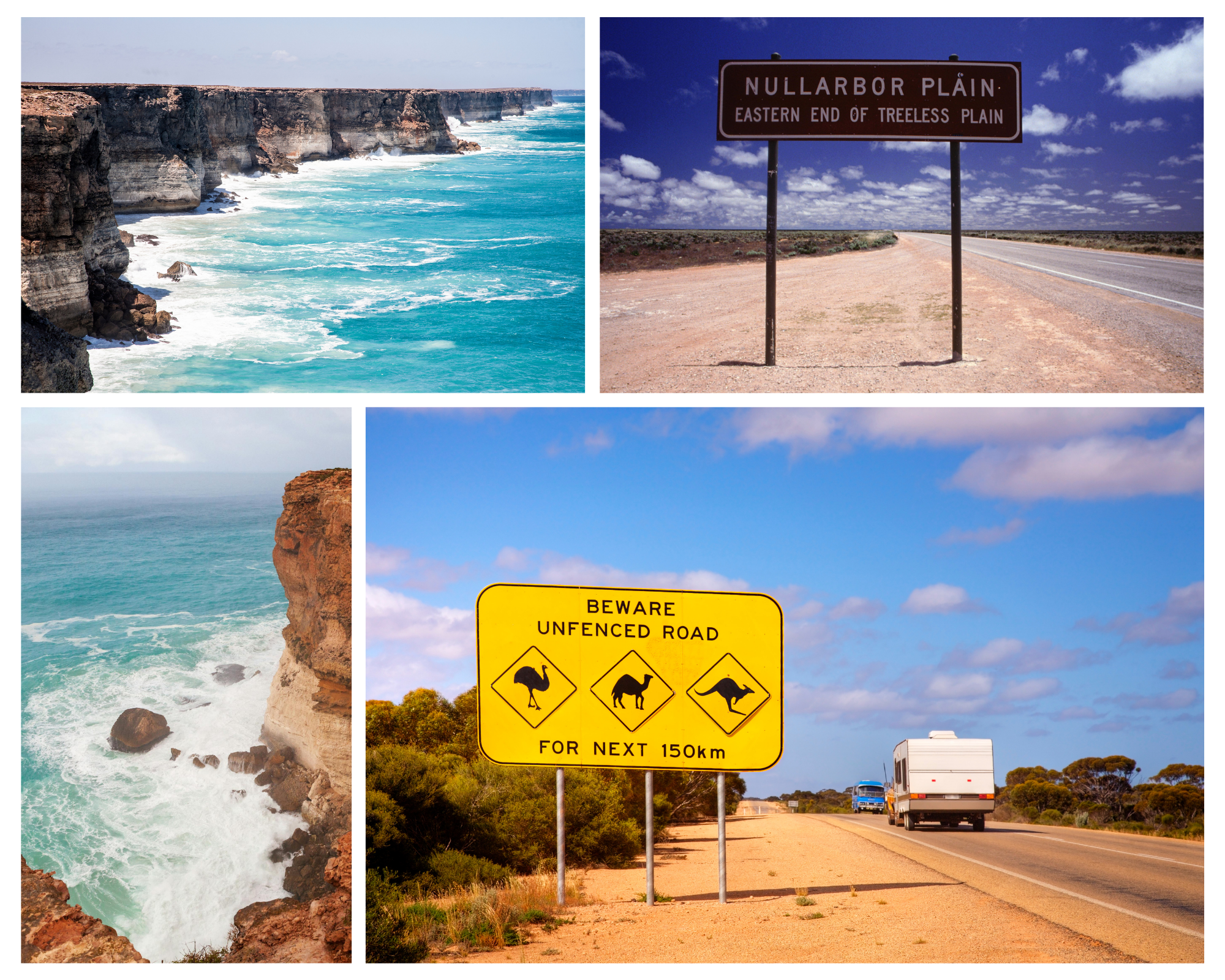
The Nullarbor Crossing, SA to WA Crossing the Nullarbor is less a scenic route than a rite of passage. Spring is a great window to attempt it, well before summer turns the treeless plain into an oven. What you get in return is vast, humbling emptiness and one of the great long-haul driving experiences.
Highlights: The Head of Bight whale-watching platforms (southern right whales can be seen during the June-to-October season), the cliffs of the Great Australian Bight, and the sheer scale of the horizon. What to see and tow: This is a route for a self-sufficient rig. Extra fuel, water, and food are non-negotiable given how far apart services sit. Practical towing tips: The road runs long and straight, which sounds easy until you factor in road trains, wildlife, and the fatigue that flat monotony breeds. Overtaking a road train — or being overtaken by one — requires precise judgment of distance and closing speed. Extended towing mirrors give you the sustained rear view you need to make those calls calmly rather than reactively. Retract them to standard for daily driving and slide them out to the full 180mm when you hitch up — the kind of setup that suits a long crossing equally well during the week and on the weekend.
The Atherton Tablelands, Queensland North of Cairns, the Atherton Tablelands offer a cooler, greener alternative to the coastal heat. Spring generally falls before the peak wet-season conditions set in, giving you a good window to enjoy the waterfalls, crater lakes, and rainforest before humidity and rainfall intensify.
Highlights: The waterfall circuit around Millaa Millaa, the volcanic crater lakes, and the chance to spot platypus and tree kangaroos. What to see and tow: A compact caravan or camper works best given the winding tableland roads. Bring insect protection and rain gear regardless of forecasts. Practical towing tips: The roads up to the tablelands are steep and narrow, with plenty of tight bends. This is where the Compact towing mirror shines — its single large convex mirror widens your field of view and cuts blind spots while keeping a low profile for the twisting climbs.
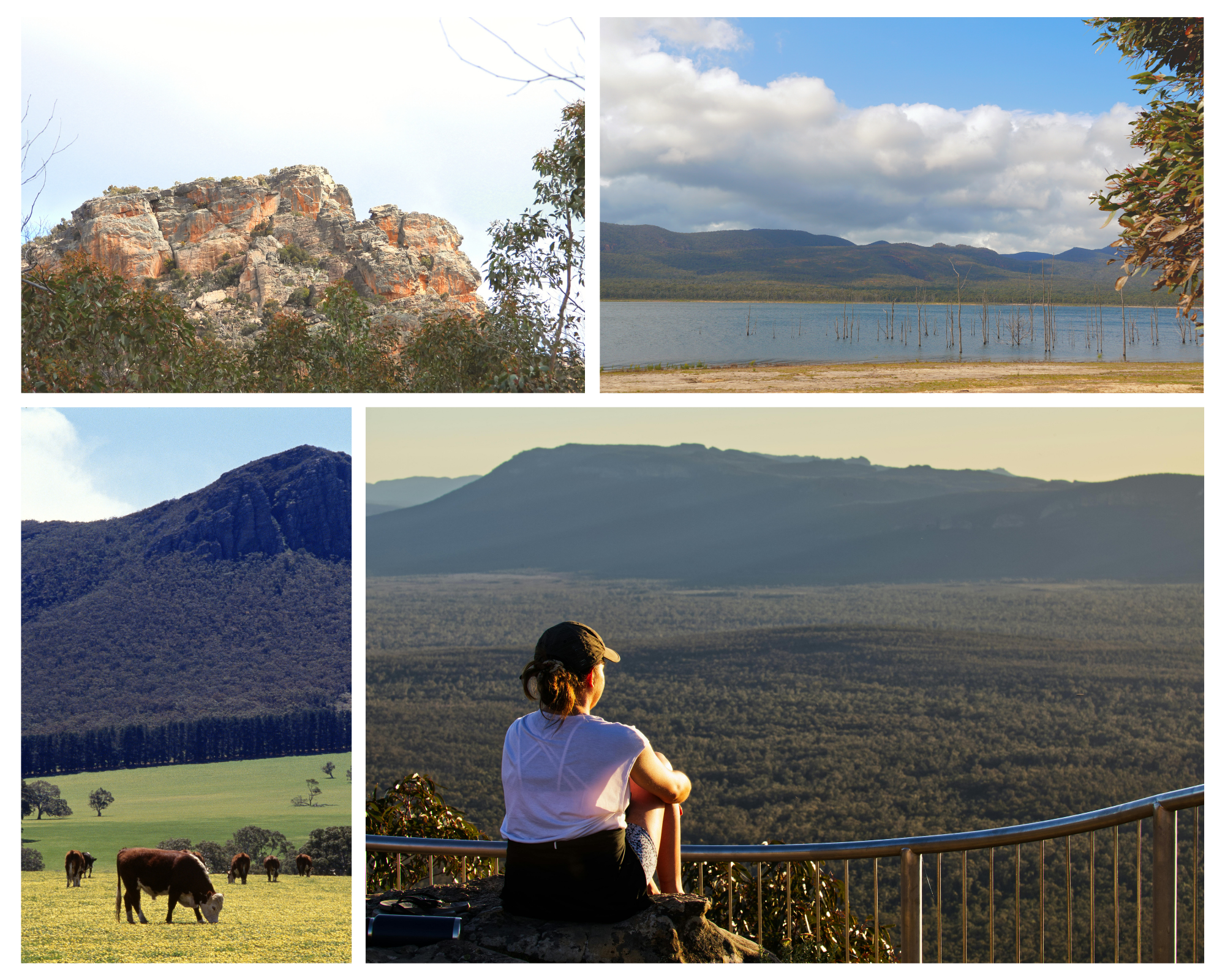
The Grampians and Wimmera, Victoria The Grampians in spring are a study in contrast — rugged sandstone ranges above, wildflower-dotted plains below. The Wimmera region rolls out fields of canola and native blooms, making this one of the more photogenic inland routes in the south.
Highlights: The lookouts at the Pinnacle and Boroka, the waterfalls running strong after winter rain, and the wildflower walks throughout the national park. What to see and tow: Any caravan or camper suits the well-maintained roads here. Bring walking shoes — the best of the Grampians is on foot. Practical towing tips: The park roads include some steep, narrow sections, and popular sites fill even in spring, so book ahead. Wildlife activity increases at dawn and dusk, which is precisely when your concentration needs to be at its best. Unfortunately, Kangaroos don’t check their mirrors before crossing!
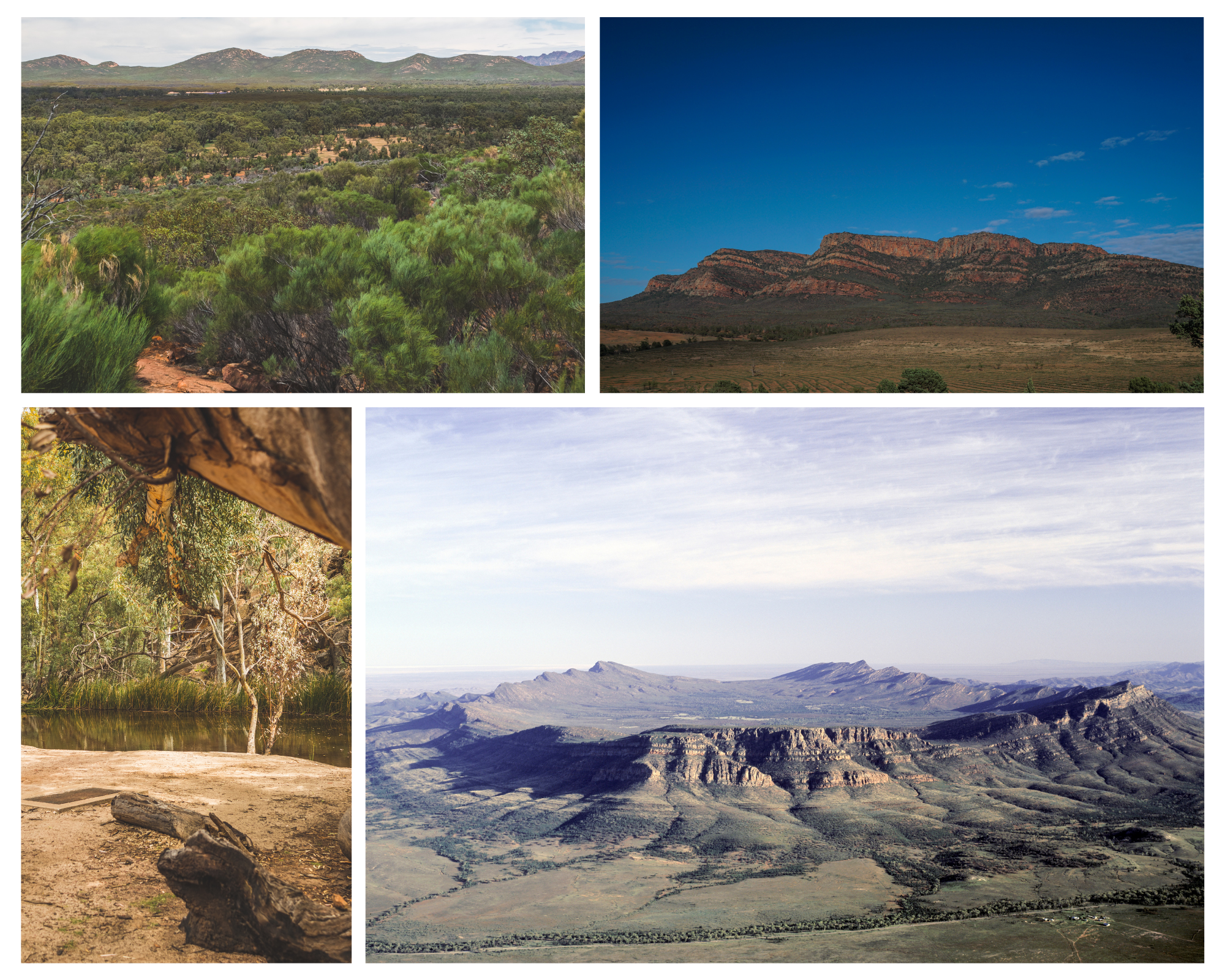
The Flinders Ranges, South Australia Few places reward spring visitors like the Flinders Ranges. After winter rain, the ancient landscape softens with green growth and wildflowers, and the wildlife becomes noticeably more active. This is outback touring without committing to the extreme distances of the far north.
Highlights: Wilpena Pound’s natural amphitheatre, the gorges cutting through the ranges, and abundant emus, kangaroos, and yellow-footed rock wallabies. What to see and tow: An off-road-capable caravan or camper opens up the best of the region, though the main routes to Wilpena are accessible to most setups. Practical towing tips: Once you leave the sealed roads, corrugations and dust become the constant companions of outback towing. Cheap clip-on mirrors vibrate into a useless blur on this kind of surface — a flaw that only reveals itself when you can least afford it. Full replacement mirrors bolt to the door with the same stability as your factory units, holding a clear image even on rough tracks. Clearview Towing Mirrors are designed and tested in Australia for exactly these conditions, which is a claim worth more here than almost anywhere else.
Planning Your Spring Itinerary Before you commit to any of these, here are a handful of practical points:
Book early where you can. Spring is quieter than summer, but the best sites still fill.
Check your towing capacity. Confirm your vehicle’s braked capacity against your loaded van, and always check your owner’s manual.
Service before you go. Brakes, tyres, and suspension carry the load — literally — on every route above.
Sort your vision first. Of all the upgrades caravanners debate, clear rear vision is the one that touches every kilometre of every road trip. We spend heavily on the van, the fridge, the awning — the visible comforts. Yet the single component that determines whether you can see past your load, react to wildlife, and reverse into a site without stress often gets treated as an afterthought.
See the Difference Before Your Next Spring Trip Spring gives you the weather, the wildflowers, and the open roads. Your job is to arrive ready to enjoy them rather than white-knuckling every crosswind and blind corner along the way. Whatever you’re towing and whatever route you’re taking, the right towing mirrors turn a tense drive into a confident one. Both the Next Gen and Compact styles extend to a full 180mm, retract flush for daily driving, and hold rock-steady on the roughest roads spring can throw at you. Don’t risk ordering the wrong mirrors for your setup. Use the mirror filter on our website to find the exact towing mirrors made for your vehicle’s make, model, year, and body type — then plan your spring road trip knowing you’ll actually see where you’re going.
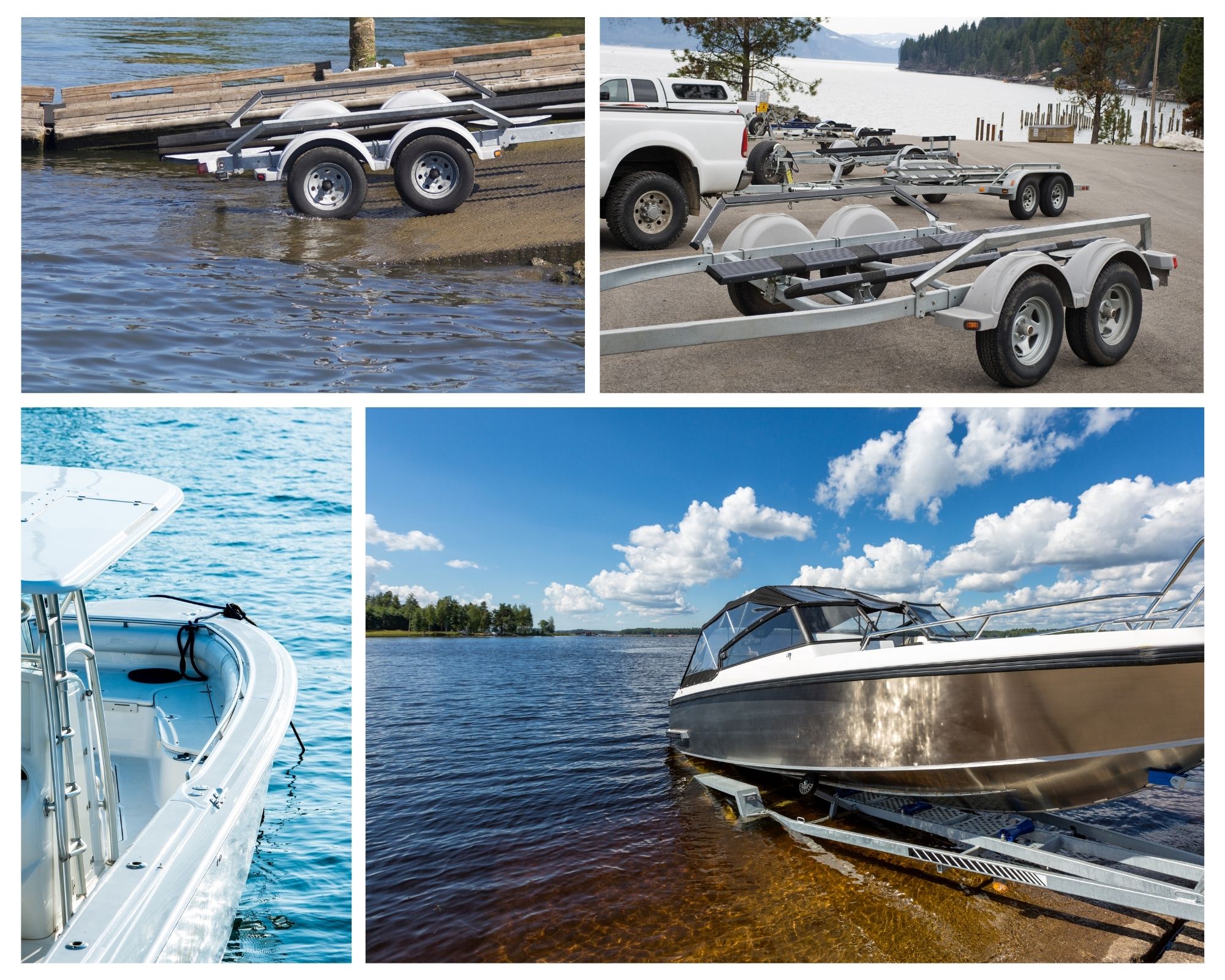
Picture it: the sun’s barely up, the fish are biting somewhere out there, and you’re stuck at the ramp watching someone jack-knife their trailer for the third time. Behind them, a line of frustrated boaties taps their steering wheels. Ever wondered why the ramp seems to bring out the worst in otherwise capable drivers? Boat ramp failures aren’t usually about skill. They’re generally about patience, and knowing a handful of small techniques that make a big difference. Get those right and you’ll launch smoothly. In this guide, we’ll walk through pre-launch preparation, reversing and steering tips, and how to secure your vehicle safely. By the end, you’ll have a practical checklist you can use at any ramp in the country.
Pre-Launch Preparation The single biggest mistake at any boat ramp happens before the trailer touches the water. It’s rushing onto the ramp unprepared, then holding up everyone behind you while you scramble.
Clear the ramp first The ramp is an active lane, not a workspace. Do every bit of prep in the designated parking or rigging zone, well clear of the water. This keeps traffic flowing and gives you room to work without an audience breathing down your neck. Think of the ramp itself as a runway. You only move onto it when you’re ready to launch. Check the essentials Before you back down, run through the non-negotiables.
Put your drain plugs (bungs) in. Forgetting these is the classic rookie error, and the water rising in your hull will remind you fast.
Remove your tie-down straps. Nothing’s more embarrassing than reversing into the water with the boat still strapped tight to the trailer.
Lift your motor up. Lift it high enough that the prop and skeg won’t scrape the concrete as you descend the slope.
A quick walk-around takes 60 seconds – cheap insurance against an expensive mistake.
Line up straight Pull up so your tow vehicle and trailer form a straight line directly in front of your chosen lane before you start backing up. Reversing is hard enough without starting at an angle. A straight setup means your first corrections are gentle. If you begin crooked, you’re already fighting the trailer before it reaches the water. Reversing and Steering Tips Reversing a trailer feels counterintuitive because it is. Turn the wheel one way and the trailer goes the other. This backwards logic trips up plenty of drivers who otherwise handle their 4WD without a second thought. Let’s break down what works.
Go slow. Momentum is your enemy on a slick or sloped ramp. The faster you move, the less time you have to correct, and the harder gravity pulls you along once you tip onto the down-slope. Every experienced boatie you’ll ever watch reverses at a crawl.
Use your side mirrors. Forget craning your neck around. Your side mirrors give you a steady, reliable view of both the trailer and the lane markings. The simplest technique to remember: turn the wheel toward the side where the trailer is appearing in your mirror. If the trailer drifts into your left mirror, steer left to bring it back. It’s a small rule, but it removes most of the guesswork.
Make micro-movements. Big, aggressive turns are what cause the dreaded jack-knife, where the trailer folds sharply against the vehicle. Once you’re jack-knifed on a ramp, your only real fix is to pull forward and start over. So make tiny steering adjustments instead. A little input, a moment to watch the result, then adjust again. If you get crooked, don’t wrestle it. Just pull forward a metre or two to straighten out, then resume. Patience here saves you the humiliation of a five-point correction with a queue watching.
Securing the Vehicle You’ve launched the boat. But a surprising number of ramp mishaps happen after the boat’s in the water, when drivers get careless with a vehicle sitting on a wet incline.
Set the brake first. Always engage your parking brake before shifting the transmission into Park. On a slope, dropping straight into Park loads all the vehicle’s weight onto a small component called the transmission parking pawl. Over time, or in one unlucky moment, that can jam or snap. Setting the parking brake first holds the vehicle, so Park becomes a backup rather than the sole thing stopping you rolling into the drink.
Engage four-wheel drive. Boat ramps get slimy. Algae, weed, and constant wet make the lower section genuinely treacherous, and a two-wheel-drive struggle here is a common sight. If your vehicle has 4WD, engage it before you attempt the pull-out. The extra traction across all four wheels is often the difference between driving up cleanly and spinning your rear tyres while the trailer refuses to budge. On a steep or particularly greasy ramp, it’s not optional.
Avoiding common boat ramp mistakes comes down to three habits: prepare in the staging area, reverse slowly with small mirror-guided corrections, and secure your vehicle in the right order. None of it is complicated. It’s just rarely taught properly. Your mirrors, it’s worth noting, do a lot of the heavy lifting in all of this. That’s exactly why Clearview Accessories builds towing mirrors designed to give Australian 4WD owners a wider, clearer view of the trailer and the lane. Better visibility means smaller corrections, fewer jack-knifes, and a calmer launch every single time. If reversing has ever left you sweating at the ramp, take a look at the Clearview towing mirror range and set yourself up to launch with confidence.
Don’t risk ordering the wrong mirrors for your setup. Use the mirror filter on our website to find the exact towing mirrors made for your vehicle’s make, model, year, and body type.
The Ford Ranger Super Duty has arrived as one of the most capable utes Ford has ever put on Australian roads. But when a truck is built to haul 4,500 kg and is packed with driver-assist technology, what happens to all that clever gear the moment you bolt on an aftermarket towing mirror? That’s exactly the problem Clearview set out to solve — and earlier this year, we did. Clearview Towing Mirrors for the Ford Ranger Super Duty are available in both Compact and Next Gen options.
The Only Towing Mirror Developed With Ford Clearview Towing Mirrors for the Ranger Super Duty were developed in direct conjunction with Ford Motor Company. They’ve been officially tested and approved for installation on all new Ranger Super Duty models, which makes them a genuine Licensed Ford Accessory. They’re the only towing mirror for this vehicle that can make that claim.
See Everything With 360-Degree Camera Integration The Ranger Super Duty ships with an advanced 360-Degree Camera system, and it’s one of the features owners rely on most when manoeuvring a heavy rig. Our mirrors integrate fully with it. That means you keep every camera view on your centre display, including:
Bird’s-eye top-down view
180-degree front and rear split view
Front off-road view
Rear trailer hitch view
The camera is relocated from your factory mirror into your new Clearview mirror during installation, so nothing is lost.
Keep the Factory Features You Paid For Modern utes are effectively computers on wheels. Fit the wrong accessory and you can trigger fault codes, disable driver-assist functions, or lose features entirely. Because Clearview works closely with vehicle manufacturers, these are true OE-Authorised Towing Mirrors. When fitted to your Ranger Super Duty, you retain your existing factory mirror functionality, subject to your vehicle’s original specification:
Blind spot monitoring — the in-glass alert that flags vehicles beside you
Heated glass — demists and defogs in frosty, icy conditions
Power fold — mirrors fold in on lock and return on start-up
OAT sensor — the outside ambient temperature reading your climate system uses
You get the extended visibility a towing mirror provides, without surrendering the smart features that came standard.
What the NB1 Classification Means for Your Mirrors Here’s where the Super Duty differs from a standard Ranger. With a GVM of 4,500 kg, the Ranger Super Duty sits in a different vehicle category. It’s classified as an NB1 medium goods vehicle. That classification carries real design requirements: Flat Mirror Glass on the Driver’s Side To comply with ADR 14/02, NB1 vehicles require flat mirror glass on the driver’s side. This has no impact on our Next Gen mirrors, which already use a flat top mirror. For the Compact range, we’ve added special Super Duty versions that pair a convex mirror on the passenger side with a flat mirror on the driver’s side. Indicators Disabled All Super Duty vehicles are fitted with a mandatory CAT6 turn signal on the guard. Where that’s the case, any turn signal within the mirror must be disabled. So the indicator built into the Clearview mirror will not function on Super Duty models.
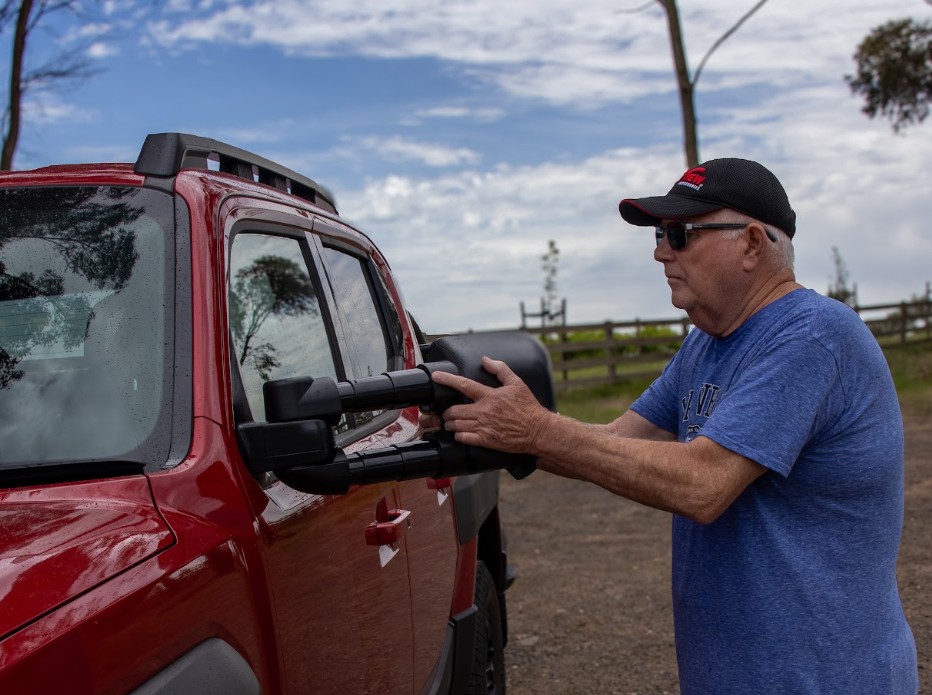
Compact vs Next Gen: How to Choose Both options extend your field of view for towing. The right one comes down to how you drive and what you tow. Next Gen Towing Mirrors The Next Gen uses a dual mirror design that offers the best of both worlds. A large flat top mirror helps you reverse into parking spaces and line up a hitch with your trailer, while the smaller convex bottom mirror gives you a wider read of what’s happening around the vehicle. Rule of thumb: If you tow often and want maximum awareness and adjustability, Next Gen is the flagship pick.
Compact Towing Mirrors The Compact mirrors behave much like a factory mirror, with a single large convex mirror on the passenger side and a single large flat mirror on the driver’s side. Add Clearview’s towing mirror extension, and you get the extra visibility of a towing mirror in a tidier, more factory-style footprint. Rule of thumb: If you want a cleaner look that stays close to factory but still improves your towing view, choose Compact.
Suits Both Super Duty Grades The Ranger Super Duty comes in two well-equipped grades, and Clearview mirrors are built to suit both. Super Duty — the base workhorse with a 3.0-litre turbo-diesel V6, heavy-duty payloads, and up to 4,500 kg braked towing. Ideal for trades, fleet, and tough work sites. Super Duty XLT — adds leather-accented seating, upgraded infotainment, and touring-friendly comfort for those balancing work and play. Whether your Super Duty tows work trailers during the week or a caravan on the weekend, there’s a mirror configuration to match.
Ready to Upgrade Your Super Duty? The Ranger Super Duty was engineered to work as hard as you do, and its mirrors should do the same, without switching off the technology you paid for. That’s the standard we built these to meet. Explore the full feature matrix, compare Compact and Next Gen, and find the right setup for your rig at clearviewaccessories.com.au/super-duty/.
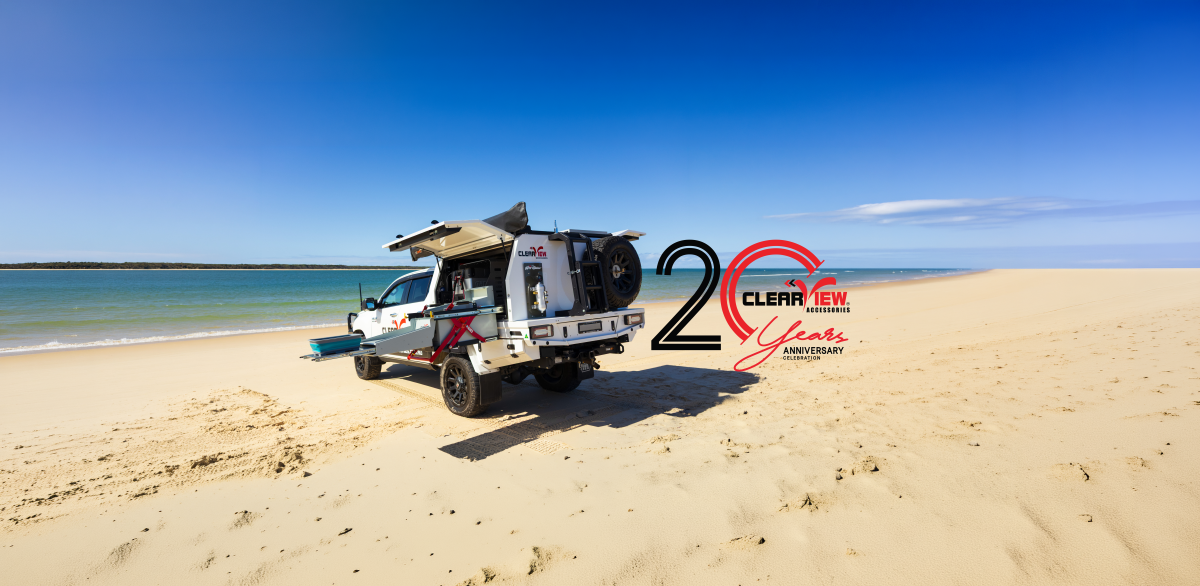
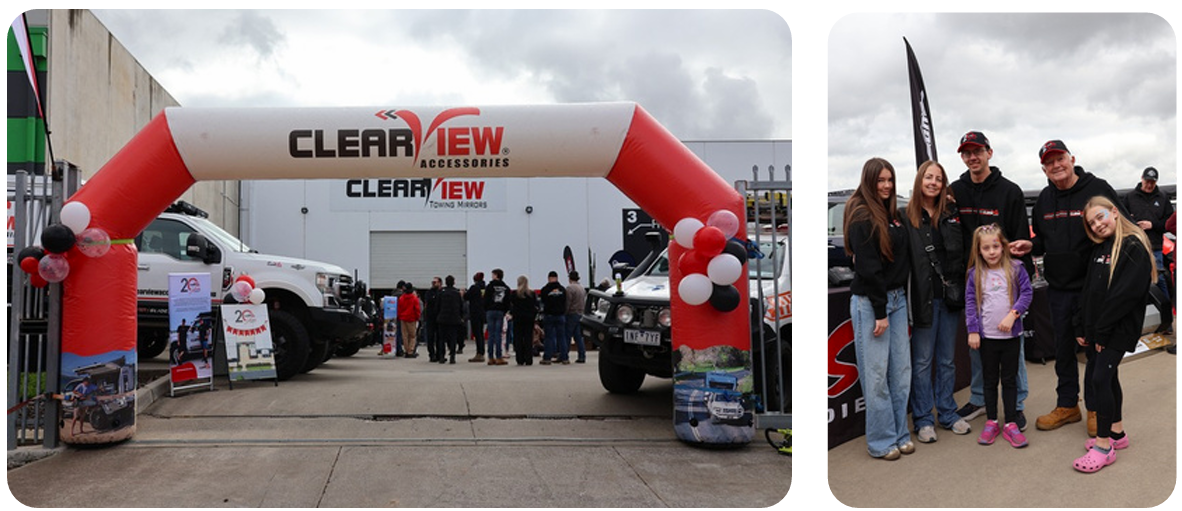
Twenty years is a long time in the 4×4 world. Brands come and go. Trends fade. Yet some names stick around. In Clearview Accessories’ case, the answer sits in a simple habit the company has never dropped: solving real problems for people who spend time on and off the road. In 2026, that habit has produced one of the busiest release years in the brand’s history — and it lands right on their 20th anniversary.
From One Frustrated Bloke to Australia’s Most Trusted Touring Name Back in 2006, towing mirrors didn’t exist. Mike Cowan got tired of squinting past a caravan he couldn’t see around, so he built his own solution. That single prototype sparked a business — and, arguably, an entire product category. Mike didn’t do it alone for long. Alongside his son-in-law, Jay Praag, he turned a shed-built fix into an international brand trusted by everyone from weekend tourers to the crews at All 4 Adventure, 4WD 24/7, and Pat Callinan’s 4×4 Adventures. That origin story matters today because the same question that started it all — what if we could make touring better? — still drives the gear rolling out this year.
A Landmark Year for New Product Anniversary years often turn into nostalgia exercises. Clearview went the other way and came out swinging. The brand released extendable towing mirrors for an impressive spread of new-model utes and wagons:
That’s ten vehicle platforms in the first half of the year — and if you tow anywhere near a 3,500kg braked capacity, you’ll understand why fitment specific to each model matters. Generic clip-ons don’t cut it when you need reliable vision under load. On top of the mirrors, Clearview launched its new Swing Boards for the Prado 250. Rather than dropping straight down like traditional electric steps, they swing outward to create a wider, more natural stepping platform. It’s a small rethink of a familiar problem, which is very on-brand.
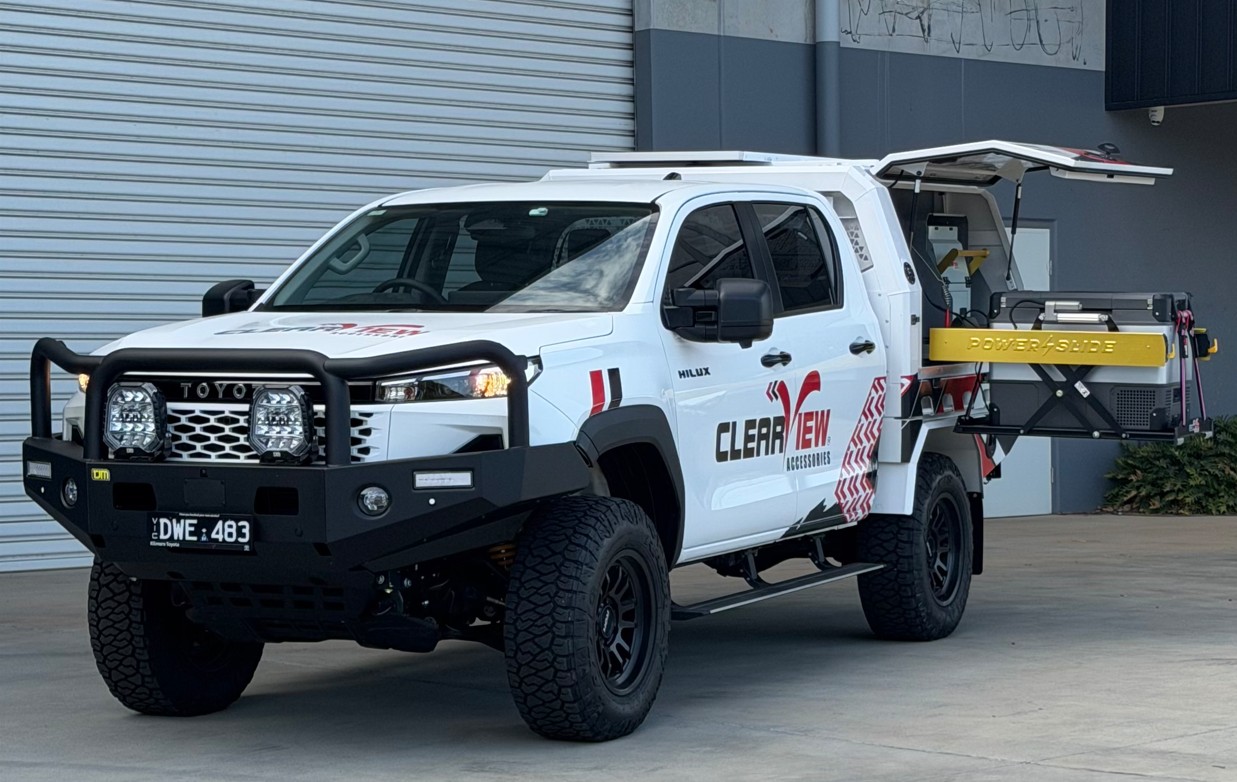
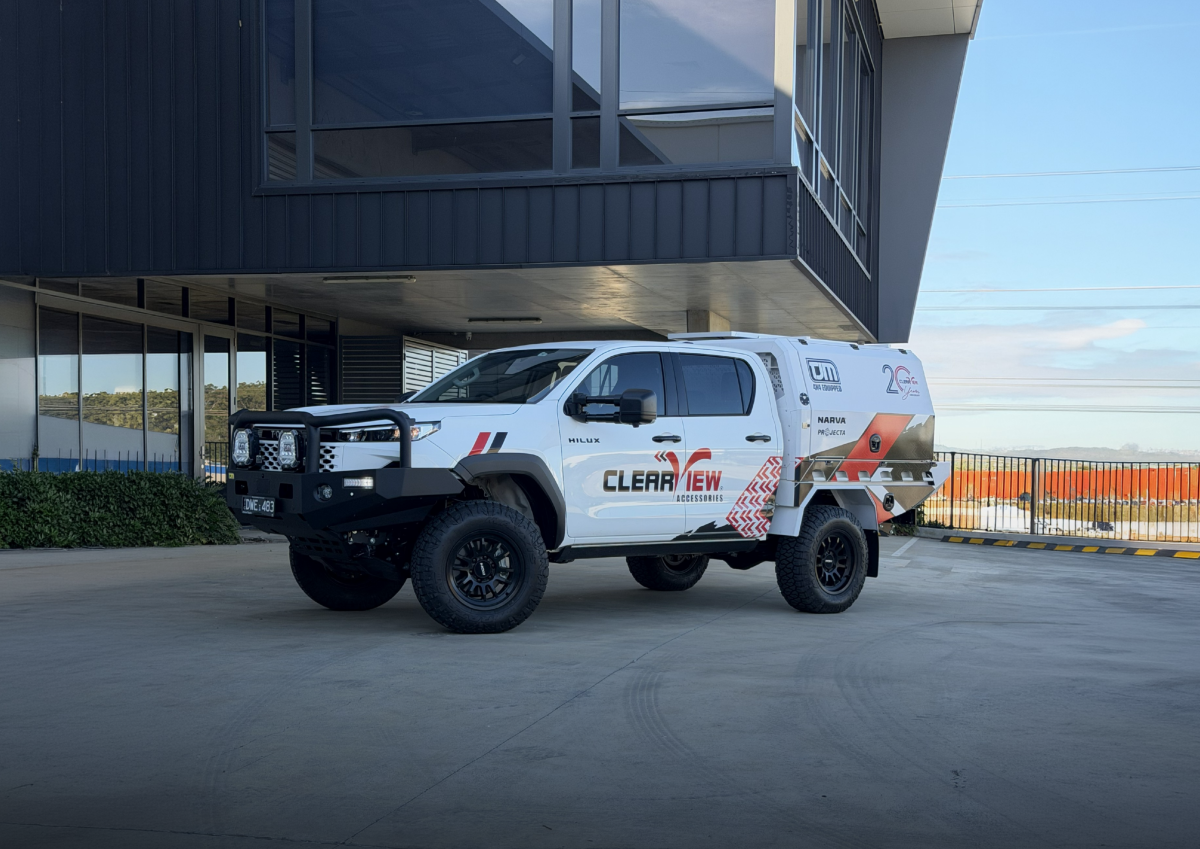
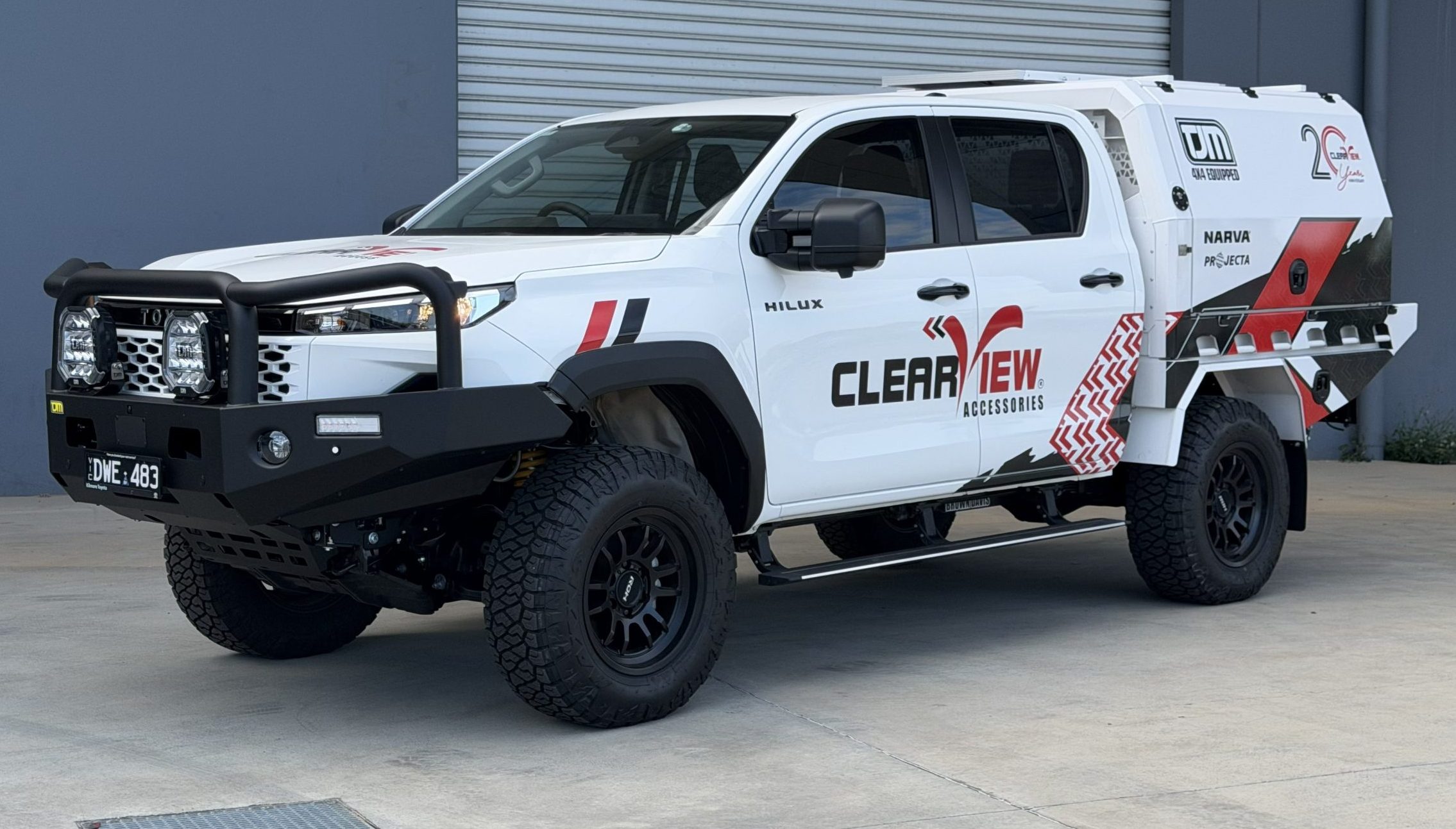
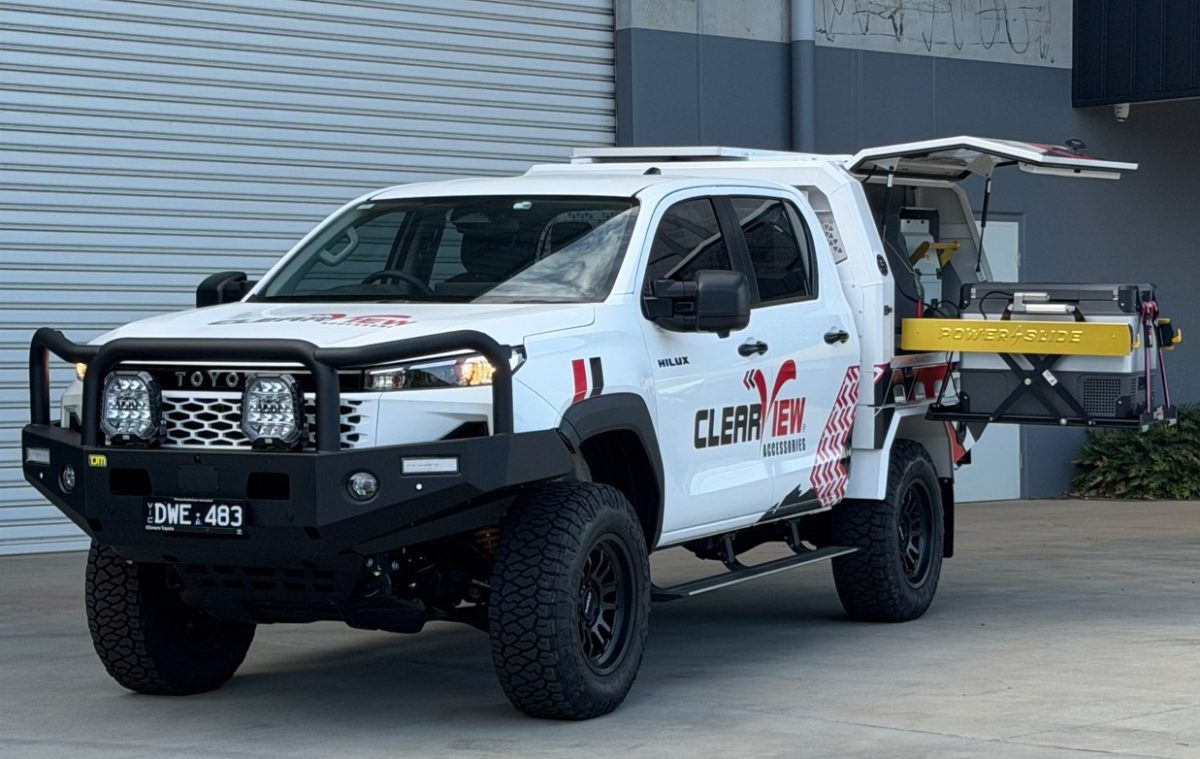
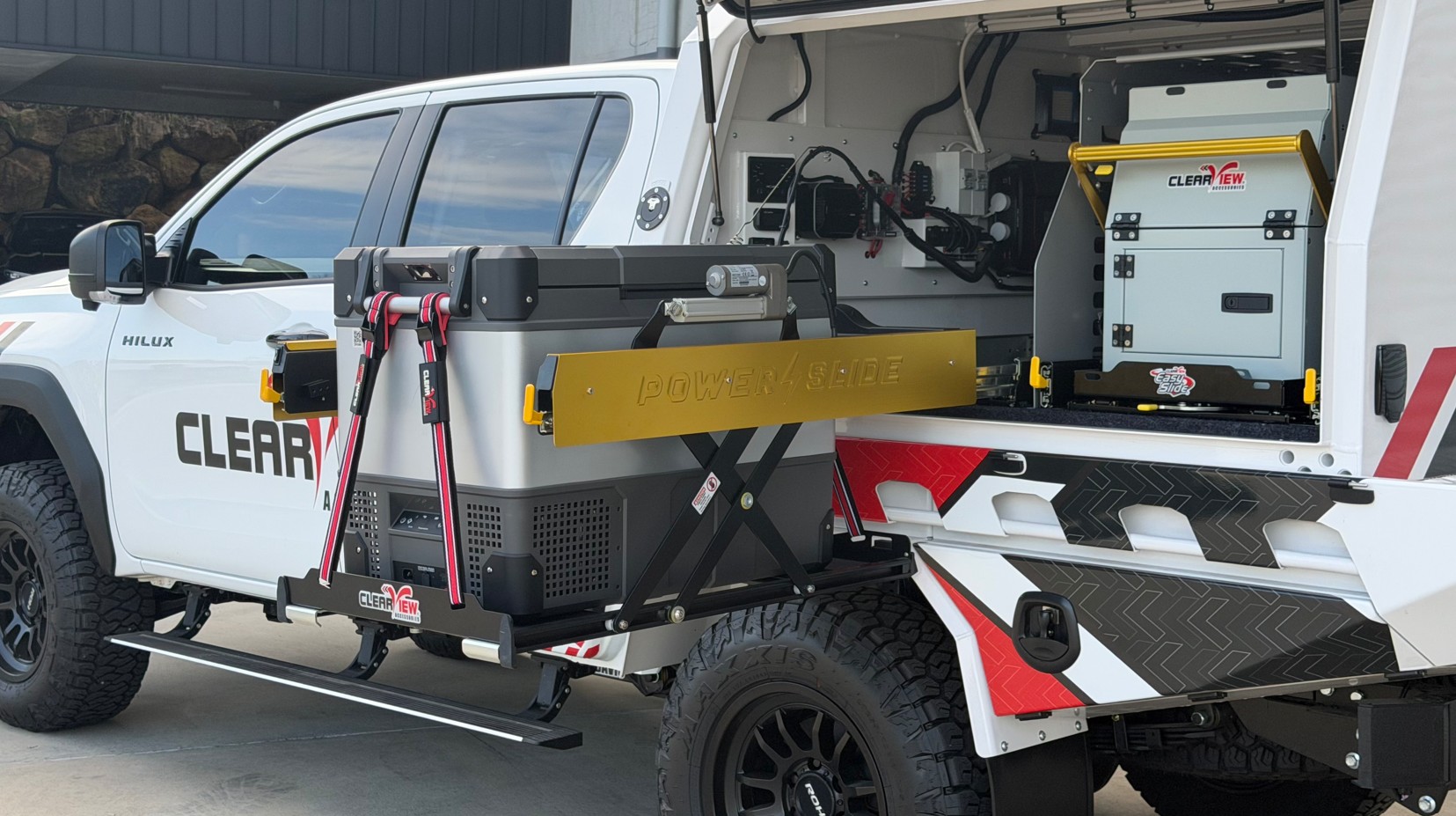
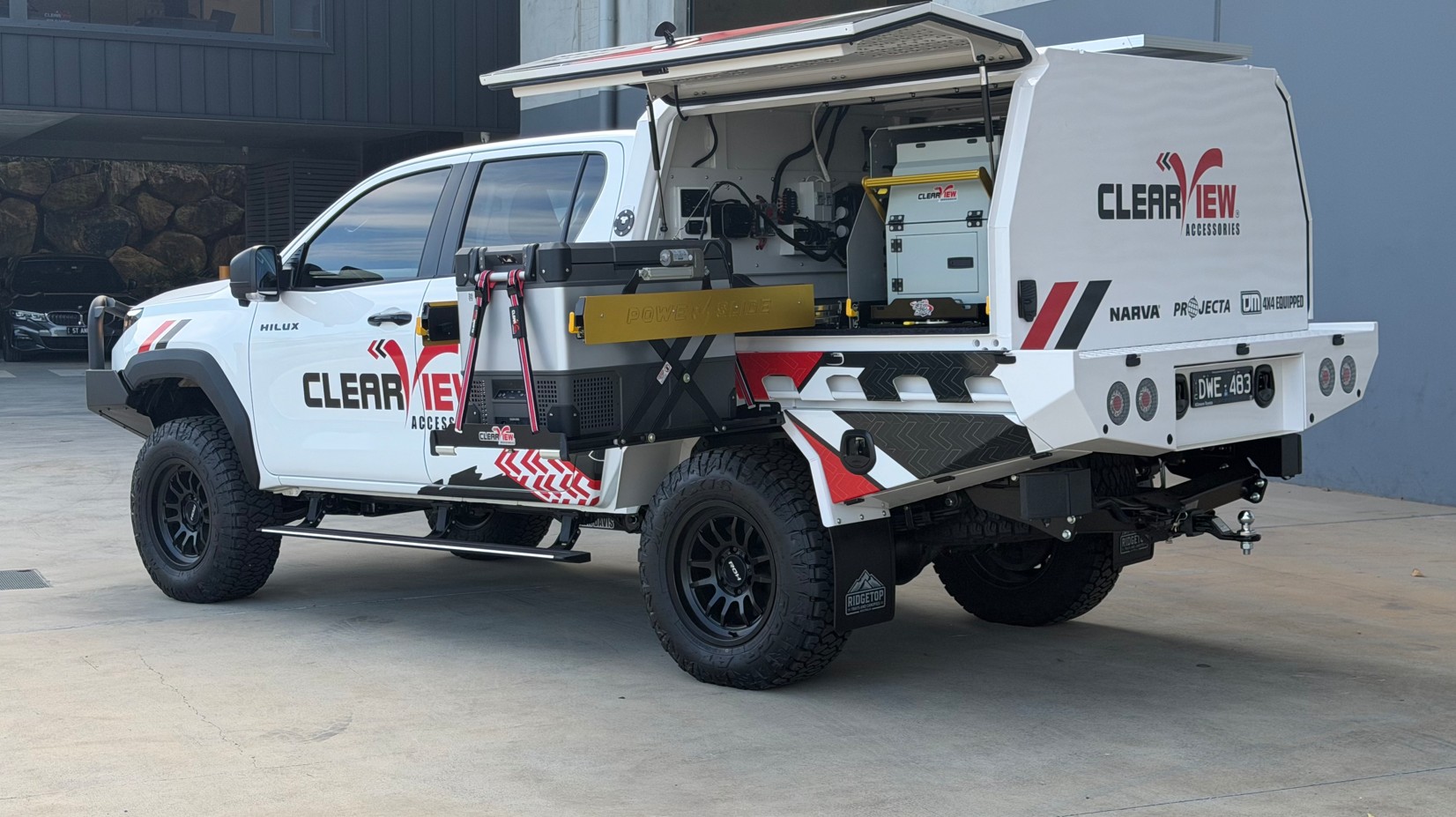
The Clearview x TJM Hilux N90: R&D You Can Walk Around The showpiece of the year is the co-branded 2026 Toyota Hilux N90, built in partnership with TJM 4×4. This Hilux is not just a rolling billboard; it is a genuine test platform. It carries pre-production Compact Towing Mirrors and Power Boards (electric side steps) still wearing R&D prototype status — meaning the gear bolted to this truck is being validated on real roads, under real load, before it reaches dealers. Running prototypes on a high-visibility vehicle is a deliberate choice. If something underperforms, it does so in the open. That’s a more honest approach than testing quietly and marketing loudly.
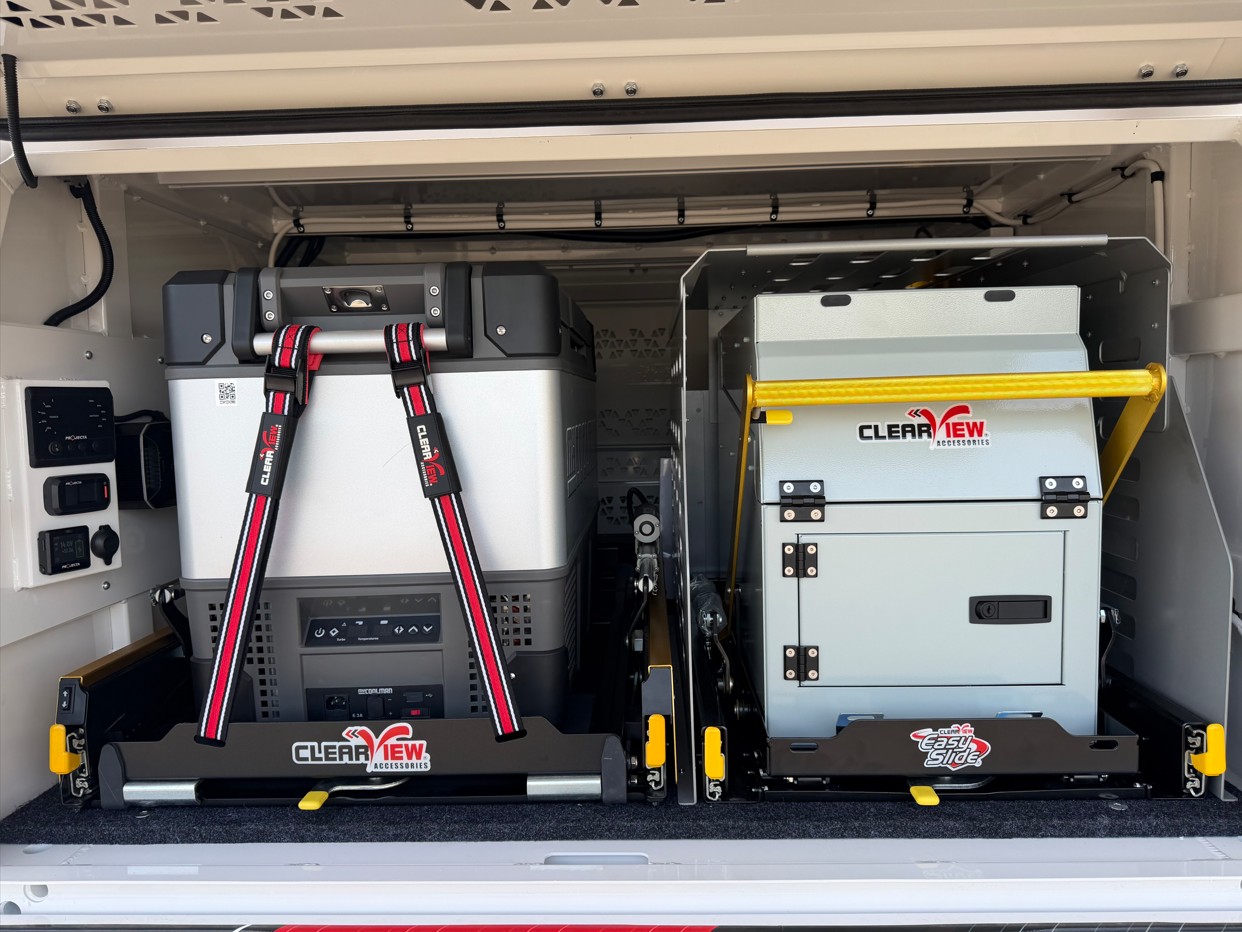
The Clearview gear on board The rest of the build shows off the wider range doing real work: Power Slide and Easy Slide, both finished in TJM Gold — effortless fridge access inside the canopy.
Fridge Cage to protect your fridge and keep airflow moving.
Cable Saver, that small, magnetised fix that stops fridge cables jamming in the slide runners.
Tyre Spider, which lets you stagger and equalise pressures across multiple tyres through four controllable inlet valves and a digital gauge.
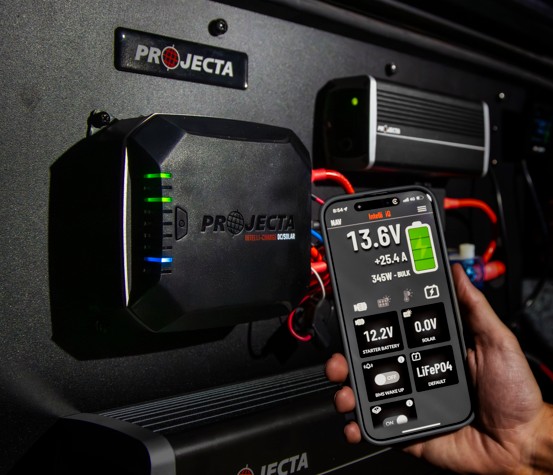
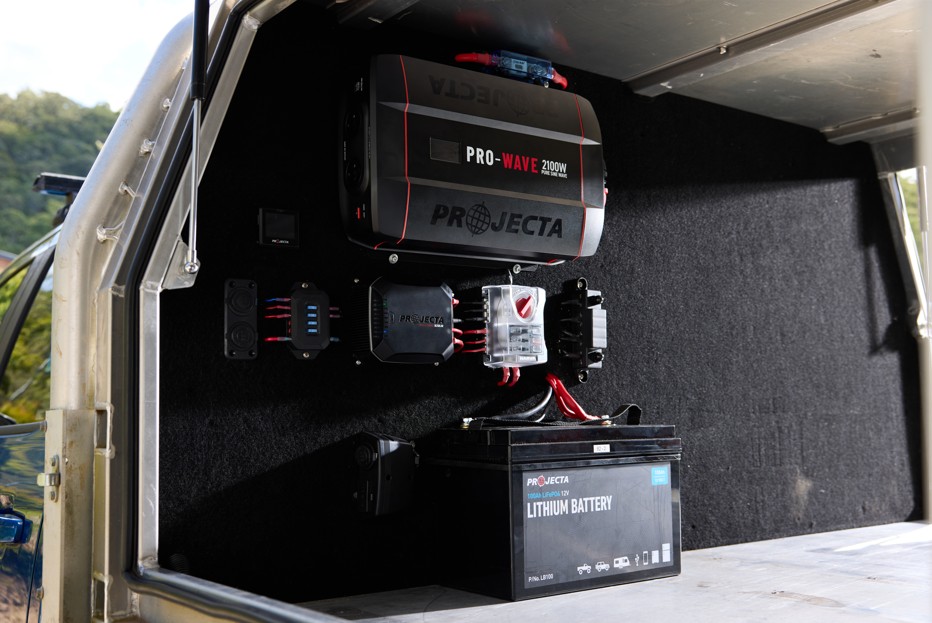
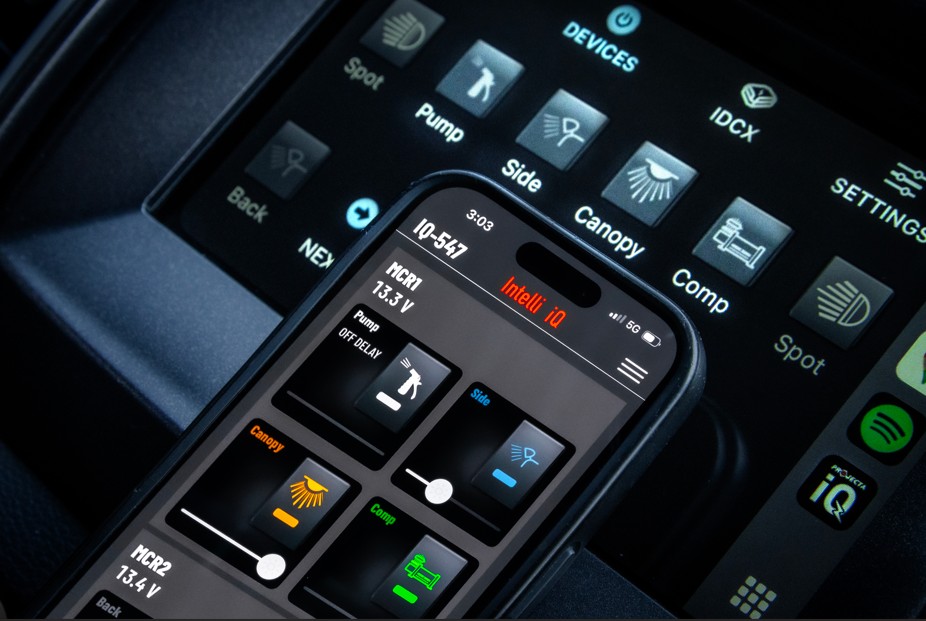
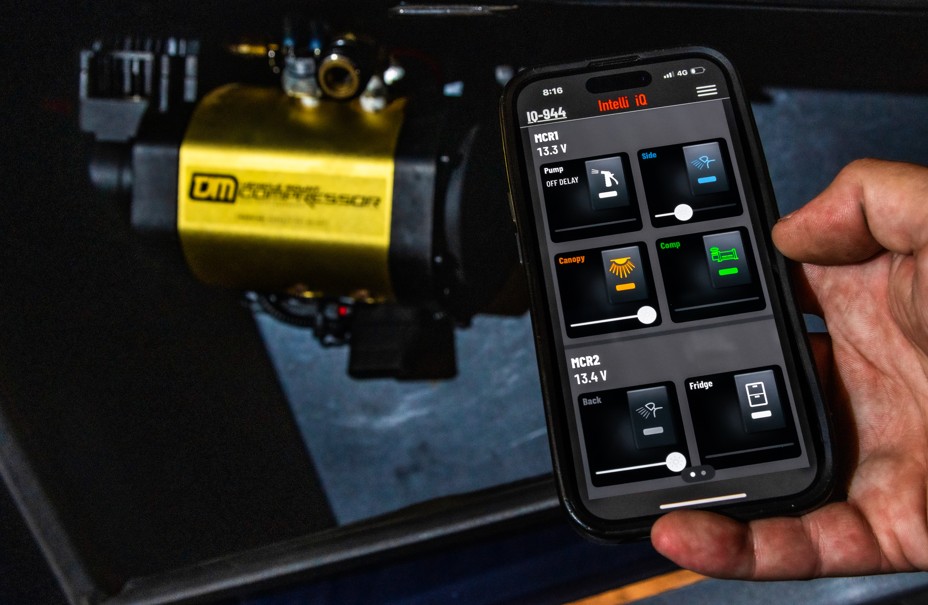
Key Partners in the Build TJM brought protection, air, and vision to the build: the Outback Bull Bar (a hand-made pre-production sample engineered for the N90), the Pro Series Twin Air Compressor paired with a 5L Air Tank for quick reinflation and air-powered accessories, LED Driving Lights for remote night travel, and XGS Suspension to keep the ute level and controlled once fully kitted out. Power comes from an integrated Projecta system — a 200Ah lithium battery, a 50A DC-DC charger, a 200W solar panel, a 2100W pure sine wave inverter, and the Intelli-IQ monitor tying it all together. In short: store the power, charge it fast on the move, top it up with solar in camp, and run 240V gear whenever you need it.
Why Twenty Years and This Much New Gear Actually Matters It’s one thing to celebrate a milestone. It’s harder to earn it and keep innovating at the same time. This is a brand still solving problems rather than resting on its history. Twenty years in, Clearview is treating the milestone as a checkpoint, not a finish line. Want to see the next release before it hits the market? Keep an eye out for the Clearview x TJM Hilux at your next 4×4 or Caravan show — you might be looking at gear that isn’t in dealers yet. And if your 4wd is on that ten-strong fitment list, now’s a good time to see what proper vision looks like!
Big news for Hilux owners who love to tow. Clearview has officially launched a new range of towing mirrors built specifically for the Toyota Hilux N90. Whether you regularly tow a caravan, tow a boat, or head off with a horse float in tow, these mirrors are designed to give you the visibility and confidence you need on and off the road.
Why Hilux N90 Owners Need Towing Mirrors Towing changes everything about how you see the road. The moment your load extends past the width of your ute, standard factory mirrors simply can’t keep up. You lose sight of what’s beside and behind you, and that’s when blind spots become dangerous. If you’ve ever tried to reverse a caravan, merge onto a busy highway with a boat in tow, or change lanes while pulling a horse float, you know the feeling. And if you have a canopy on your Hilux, your rear vision is already compromised before you even hook up a trailer. Clearview Towing Mirrors solve this by expanding your field of view. They push visibility out past your load, dramatically reducing blind spots and making everyday towing tasks safer and easier. Reversing, merging, and lane changes all become far more manageable when you can actually see what’s happening around you. With the N90 rated to tow up to 3,500kg (model dependent), it’s a seriously capable ute. But capability on paper means little without the vision to match. Always check your owner’s manual to confirm your specific towing capacity before you head out.
Two Mirror Styles to Suit Your Setup Clearview knows no two towing setups are the same, so the N90 range comes in two distinct styles. Both retract neatly against the vehicle when not in use, keeping a clean, low-profile look for daily driving. Most people won’t even notice them, until you extend them for your next adventure.
Next Gen — The Dual Mirror Design The Next Gen features a twin mirror design that gives you the best of both worlds:
A large flat top mirror that helps with reversing into parking spaces and lining up your hitch with a trailer
A smaller convex mirror below that widens your understanding of what’s happening around the vehicle
With a taller mirror head, the Next Gen is ideal for frequent towing or heavier loads. If you tow anything from the smallest trailer to the largest van, this is the option built for the job.
Compact — Factory Look, Extra Reach The Compact Towing Mirror keeps things simple. It looks just like a factory mirror but adds the extra visibility of Clearview’s towing extension.
A single large convex mirror reduces the size of reflected objects, giving you a much wider field of view and fewer blind spots.
The lower-profile design makes it a great pick if you want that tidy, original appearance for daily driving while still gaining serious side visibility when you tow.
Three Positions, Up to 180mm of Extension Both styles extend up to 180mm and offer three adjustable driving positions:
Standard / Non-Extended: Sits flush with your vehicle for everyday driving and a sleek look.
First Extended: A moderate extension, perfect for smaller trailers or caravans without feeling too wide.
Second Extended: The full 180mm reach, ideal for larger loads, horse floats, or whenever you need maximum side visibility.
Adjusting between positions is simple. Just slide the mirror out by hand and it clicks into place in seconds. Once extended, both styles stay securely locked, so they hold firm even at highway speeds.
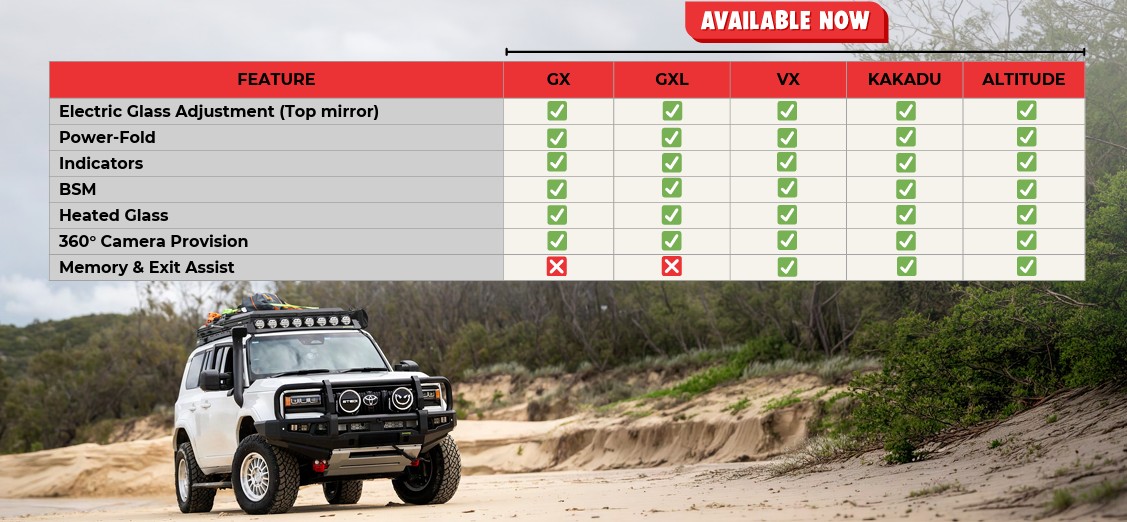
Key Features Available for the N90 Clearview Mirrors are engineered to work with your Hilux’s existing technology, not against it. Here are the features you can carry across to your new mirrors:
360° Camera Integration: Keeps your complete 360-degree parking view working. The original camera is removed from the factory mirror and installed into your Clearview mirror. Available only on vehicles with pre-existing 360° cameras.
Blind Spot Monitoring (BSM): Uses your vehicle’s sensors to alert you when another vehicle sits in your blind spot, through an indicator light, an audible alert, or a steering wheel vibration.
Power-Fold: Folds your mirrors in and out at the press of a button. It matches your factory capability, including control through the key fob, touch-handle panel, and interior button. Suitable only for vehicles with factory power-fold.
Indicators / Turn Signals: A clear indicator lens with an amber LED light. All Clearview manufactured mirrors come with a CAT5 indicator as standard.
Electric Mirror Glass Adjustment: Vertical and horizontal adjustments to suit your preferred angle. Single mirror models offer full electric adjustment. On dual mirror models, the top glass is electric while the lower glass adjusts manually.
Heat: Demists and defogs your mirror glass in frosty conditions, running off your vehicle’s existing de-misting system.
One important note: these features only work on vehicles that already have them fitted from the factory. The mirror itself can’t add new functionality your Hilux didn’t come with. Options may vary depending on your make, model, and year.
Built to Look Like They Came From the Factory A towing mirror shouldn’t look like an afterthought bolted on to your ute. Clearview Towing Mirrors are meticulously engineered to follow the Hilux’s modern body lines, delivering a sleek, factory-style finish. The result is durable, stylish, and so well integrated that it looks like it rolled off the production line that way. You get all the towing benefits without compromising the clean appearance of your vehicle, and every factory feature you rely on stays fully intact.
Important: Check Compatibility Before You Buy Toyota is fitting different cameras across the MY26+ N90 range depending on transmission, and that directly affects which towing mirror fits your vehicle.
For Automatic transmission double cab pick up models (with factory tub), the SR, SR5, SR5+, Rogue & Rugged X variants come with the new digital 360-degree cameras.
For Manual transmission pick up models & all Cab Chassis (Auto + Manual) models, the SR, SR5, and SR5+ variants still use the previous N80 analogue 360-degree cameras.
Because of this split, confirming your transmission and body type before you buy is essential. Get it right the first time and you’ll match to the correct mirror without any hassle.
Find the Right Mirrors for Your Hilux Ready to upgrade your towing setup? Don’t risk ordering the wrong mirrors for your N90. Head to the Clearview website and use the mirror filter to find the exact mirrors made for your vehicle’s make, model, year, transmission, and body type. A few minutes with the filter now saves you the headache later, and gets you set up for safer, clearer towing on every trip.
From Work to Weekend, Always in Clear View. Bold Design Meets Unmatched Versatility.
Clearview today announced the release of our Extendable Towing Mirrors for the KIA Tasman, giving owners a purpose-built visibility upgrade for towing caravans, boats, trailers, and horse floats.
The new range replaces factory side mirrors and is available now in two designs: Next Gen and Compact. Clearview engineered the mirrors to complement the KIA Tasman’s modern styling while delivering high-functioning utility. The result is a sleek, bold design that looks at home on the vehicle every day and performs under heavy towing demand.
The mirrors suit the Tasman’s dual-purpose lifestyle. Whether owners tow work equipment during the week or hitch up a boat or caravan on the weekend, the mirrors adapt to the job at hand and give drivers the flexibility to handle both with confidence.
Safety sits at the centre of the design. Standard side mirrors fall short once a wide load is hitched behind the vehicle, leaving blind spots that make lane changes and reversing risky. Clearview Extendable Towing Mirrors slide out to deliver maximum rearward vision when towing and slide back to a standard driving position when unhitched. This helps drivers reverse accurately, judge overtaking traffic, and react with more time and space.
The launch also helps Tasman owners meet their legal obligations. In Australia, the law requires towing mirrors when a load is wider than the tow vehicle. Relying on factory mirrors with a wide load restricts vision and breaks compliance rules, so a dedicated towing mirror keeps drivers legal while protecting passengers and other road users.
The Next Gen features a dual mirror design with a taller head. Its large flat top mirror aids reversing and hitch alignment, while the smaller convex mirror widens awareness around the vehicle, making it ideal for frequent towing and heavier loads.
The Compact option uses a single large convex mirror in a low-profile shape that keeps the factory look while adding side visibility.
Both designs extend up to 180mm and offer three adjustable positions: Standard, which sits flush for everyday driving; First Extended, a moderate setting for smaller trailers and caravans; and Second Extended, the full extension for larger loads and horse floats. Drivers extend or retract each mirror by hand in seconds, and both styles stay securely in place at highway speeds.
Clearview KIA Tasman Towing Mirrors are available now. Avoid ordering the wrong mirrors! Use our mirror filter on our website to find the right mirrors for your vehicle!
About Clearview Accessories Clearview designs and manufactures towing mirrors and vehicle accessories built for Australian driving conditions. With a focus on visibility, safety, and durability, Clearview products help drivers tow caravans, boats, trailers, and floats with greater confidence and legal compliance. Each mirror is engineered to complement the styling of the vehicle it fits while delivering the extended field of view that towing demands.
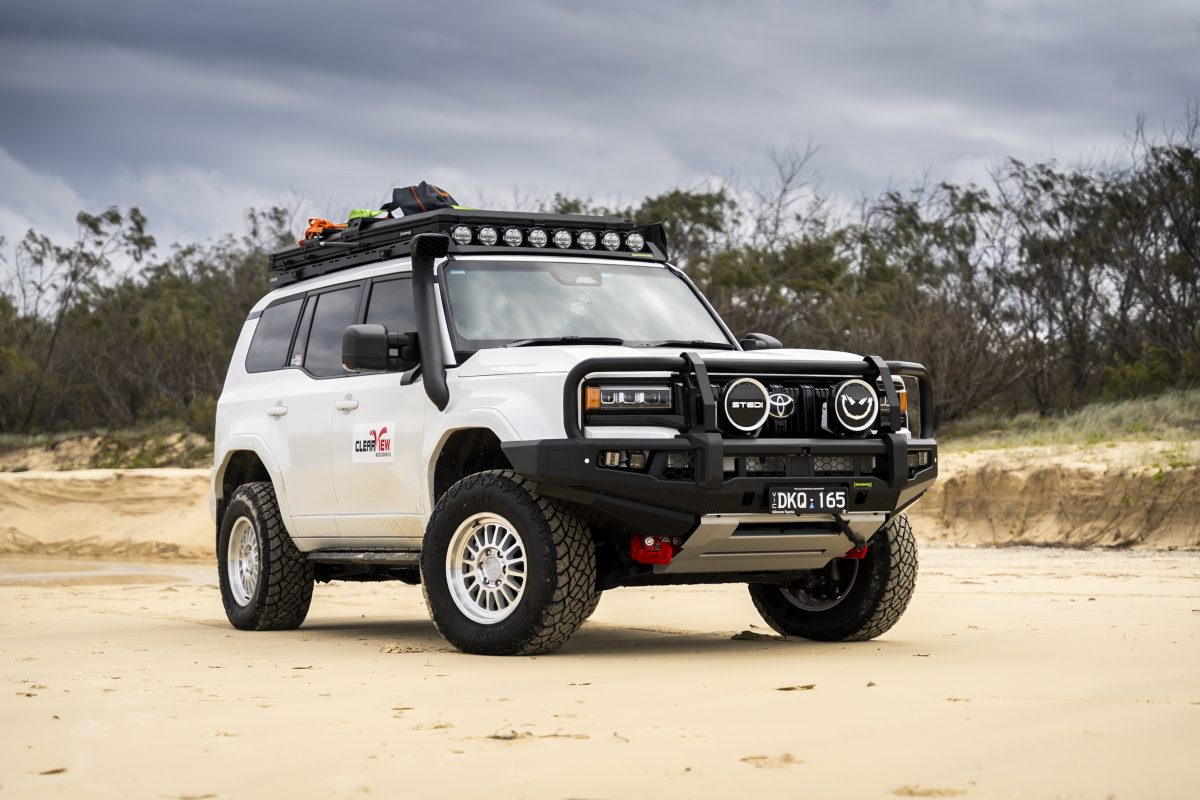
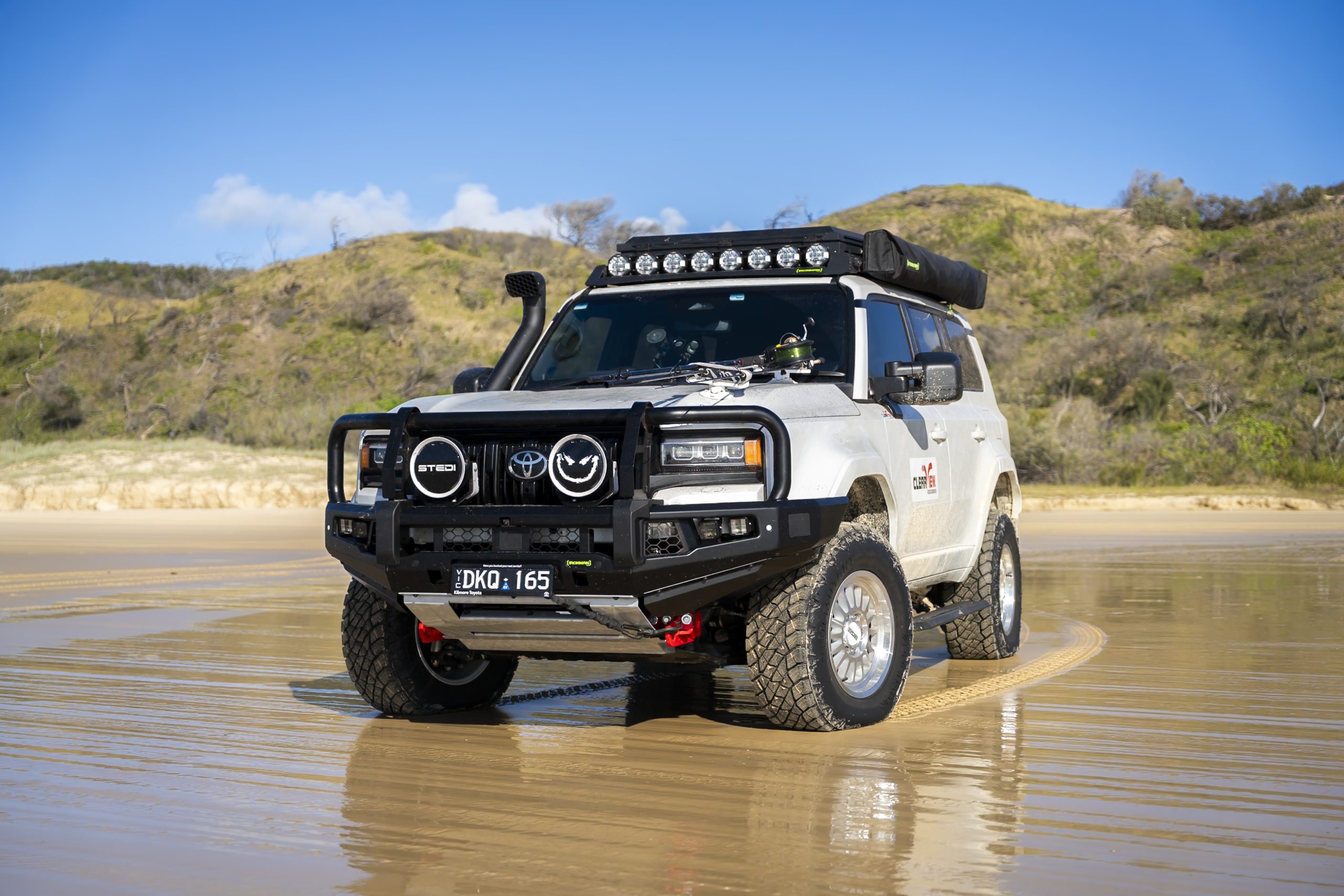
Purpose-built, patented fit for the first all-new Prado in 15 years.
The Toyota LandCruiser Prado 250 Series is the first genuinely new Prado in 15 years — and anyone towing at its 3,500kg braked capacity wants to know what towing mirrors actually fit this vehicle safely. Clearview Accessories now has the answer.
Toyota LandCruiser Prado 250 Series with Clearview Compact Towing Mirrors
The 250’s factory mirror mount standard internal bracketry simply wasn’t built to support extendable towing mirrors safely. Rather than compromise, we’ve developed a unique, patented secondary mount design—engineered specifically to work with the Prado 250’s OE mount position. It gives the mirrors the structural strength they need, which means a safer, cleaner fit we can stand behind.
Two options to match how you drive
Compact Towing Mirrors — the streamlined choice for drivers who want towing vision with a smaller mirror footprint.
Next Gen Towing Mirrors — the flagship towing mirror with strong visibility, premium integration, and broad towing suitability.
Key features
Compact and Next Gen options, so you get extended vision for towing and a clean, factory-look mirror for the daily run.
Up to 180mm extension to see past wide caravans, boats, and horse floats.
Three practical driving positions covering standard driving and towing.
True replacement fit — a genuine bolt-on, not a bulky bracket-on workaround.
See More, Tow Safer
Towing a heavy load requires serious visibility. Standard factory mirrors often fall short when your load extends beyond the width of your vehicle. Our extendable tow mirrors significantly reduce dangerous blind spots around your Toyota LC Prado 250 Series. You gain better rear and side vision, which makes reversing, merging, and changing lanes much safer. Instead of struggling to see past your trailer, you get a clear, wide view of your surroundings
The 250 was designed to take you from the school run to the outback in a single week. Your mirrors should be ready for the same. Fit Clearview and see the difference before your next trip.
Avoid ordering the wrong mirrors! Use our mirror filter on our website to find the right mirrors for your vehicle!
Clearview Accessories has revealed a new co-branded 2026 Toyota Hilux N90 SR, built in partnership with TJM 4×4. The vehicle now travels across the country as both a rolling showcase and a working test platform, and it doubles as the proving ground for products Clearview has not yet released to the public. What does it actually take to bring a new towing mirror or electric side step to market? For Clearview, the answer sits in plain sight on this Hilux. This vehicle is being used to rigorously test and refine our brand-new N90 Towing Mirrors and Power Boards before they reach dealers. In other words, the gear you see bolted to this truck is not a marketing mock-up — it is genuine research and development, out on real roads, under real load.
A partnership put on display The Hilux carries bold graphics from both Clearview and TJM 4×4, and that visual pairing reflects a deeper working relationship between the two brands. The stated goal is straightforward: give people a firsthand look at TJM’s gear operating alongside Clearview products in a single, cohesive build, rather than as a list of parts on a spec sheet. It is a fair question to ask whether “co-branded” vehicles are simply promotional gimmicks. In this case, the build resists that tag. The ute performs plenty of hard work behind the scenes, and the presence of pre-production components demonstrates that the collaboration is functional first and photogenic second.
The Clearview gear At the centre of the build are Clearview’s own products, including two components still carrying R&D prototype status. Compact Mirrors (R&D Prototype) — pre-production towing mirrors being validated specifically for the N90 platform. Power Boards (R&D Prototype) — electric side steps undergoing the same real-world refinement. Power Slide and Easy Slide — both personalised in TJM Gold, a nod to the partnership and a practical storage solution inside the canopy. Fridge Cage — designed to protect a fridge for touring. Cable Saver — a simple but often-overlooked way to protect your fridge’s cables. Tyre Spider — The Tyre Spider® allows you to easily stagger tyre pressures across any combination of tyres via the 4 controllable inlet valves and digital pressure gauge. Running prototypes on a high-visibility vehicle is a deliberate choice. If a component fails or underperforms, it does so where the team can see it — arguably a more honest approach than testing quietly and marketing loudly.
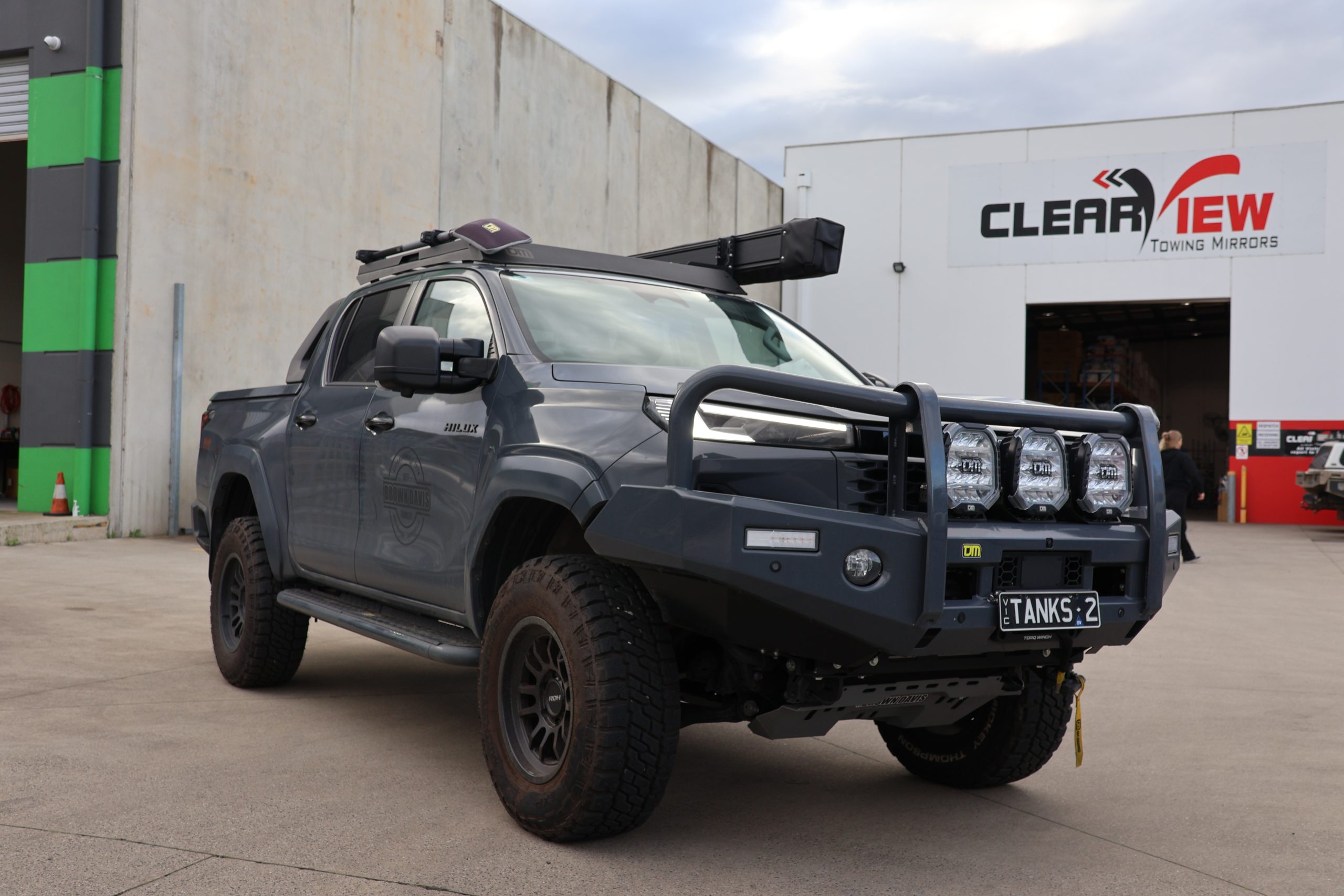
TJM 4×4 up front and underneath Everything TJM has brought to this build comes down to four fundamentals: protection, capability, air and vision. Get those right, and you’ve got a rig you can genuinely trust when the tracks get rough. TJM Outback Bull Bar — frontal protection engineered for the N90. The TJM Outback Bull Bar on our Hilux is a pre-production, hand-made sample, engineered specifically for the N90 Hilux. That means it’s been built to hug the lines of this exact vehicle. Up front, that’s your first line of defence against wildlife strikes, stray branches, and the knocks that come with remote travel. It’s also your platform for a winch and your driving lights, so it’s doing a lot more than just looking tough. TJM Pro Series 5L Air Tank paired with the TJM Pro Series Twin Air Compressor — an onboard air setup for tyre inflation and air-powered accessories. Together, that’s a proper onboard air setup. What does that mean out bush? When you air down for the sand or the rocks, you’re not fighting a slow little pump on the way back out — this twin compressor gets your tyres back to pressure quickly. And because you’ve got a 5-litre tank feeding it, you’ve also got stored air ready to run air-powered accessories. No more digging around for a portable pump. It’s all built in, all ready to go. TJM LED Driving Lights — added distance vision for low-light and remote travel. When you’re covering ground in low light or pushing deep into remote country, standard headlights just don’t throw far enough. These give you serious vision, so you can see what’s coming well before you’re on top of it. That’s about safety, but it’s also about confidence — night driving out here becomes a whole lot easier when the road ahead is lit up properly.
Underneath, TJM’s XGS Suspension carries the added weight of all the gear, addressing one of the most common problems with heavily loaded utes: a truck that sits and drives well unladen but struggles once fully kitted out. This is a complete suspension package built to carry the added weight of a fully loaded rig. So instead of a truck that sits and drives well unladen but struggles once it’s kitted out, you get a ute that stays level, controlled, and comfortable — loaded or empty, on the highway or halfway up a rutted track. That’s the difference between a build that just looks the part and one that actually performs.
Projecta Power Keeping a modern touring vehicle running means managing power carefully, and here the build leans on Projecta.
The Projecta LB200-HD 200Ah Lithium Battery is the heart of the setup. 200 amp-hours gives us the storage to run the fridge, compressor, charge devices, and power lights for days without stress. Being lithium, it means we get more usable capacity and a much lighter package than an old lead-acid setup.
But a big battery is only useful if you can fill it back up. That’s the job of Projecta’s IDC50X 50A DC-DC Charger. While we’re driving, it pulls power from the vehicle’s alternator and charges the lithium battery. Fifty amps means fast top-ups, and because it’s a dedicated DC-DC unit, it protects our starter battery too, so we’re never stuck with a flat crank battery in the morning.
Now what happens when we park up for a few days and there’s no driving to charge that battery? That’s where the Projecta SPM200-MC4 Solar Panel comes in. This is a 200-watt panel wired straight into the system through the DC-DC charger’s solar input. Set up camp, point it at the sun, and it tops up our battery all day while we’re off fishing or kicking back.
The Projecta PW2100 2100W Pro-Wave Inverter converts our 12-volt battery power into clean 240-volt mains power. “Pro-Wave” refers to a pure sine wave output, which means we can safely run sensitive gear like laptops, camera batteries, even a coffee machine. Twenty-one hundred watts is serious grunt, so most of our household appliances will run without a hitch.
To tie the whole system together, we’ve set up Projecta’s Intelli-IQ System. Think of this as the brain and the dashboard for our entire power setup. It monitors our battery’s state of charge, how much power’s coming in from the alternator and the solar, and how much we’re drawing out. One glance and we know exactly where we stand.
In a nutshell, the battery stores the power. The DC-DC charger charges it fast while we drive, and pulls in solar from the panels while we’re parked. The Pro-Wave inverter gives us 240-volt power whenever we need it. And the Intelli-IQ system keeps an eye on everything so we’re always in control. It’s one integrated system, which is why it works so well for us.
Storage, and the finishing details
The rear of the truck is finished with a Ridgetop Canopies unit, giving the Hilux a weatherproof, lockable workspace for the premium storage and battery management units inside. Smaller details matter too. A JBA Fabrications Recessed Air Outlet & Switch Plate integrates the controls cleanly rather than leaving switches scattered across the cabin — a practical touch that reflects how much wiring a build like this involves.
Why it was done For anyone weighing up their own build, this Hilux offers something more useful than a catalogue. It shows how different products from several independent brands can be integrated into one functional vehicle — and it puts unreleased Clearview gear under scrutiny before customers are asked to buy it. The Hilux N90 Towing Mirrors have just been released and Power Boards remain in testing, with wider availability to follow once validation is complete. In the meantime, the vehicle continues its dual role: promotional flagship and working development platform. The full build breakdown, including links to each partner and product, is available on the Clearview fleet page. If you spot the ute at a 4×4 show, take a closer look — you may be seeing the next Clearview release before it hits the market.
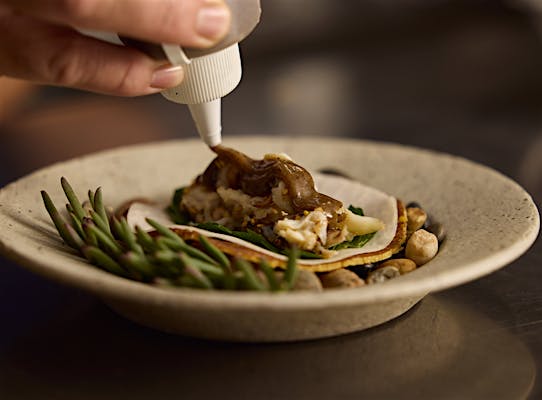
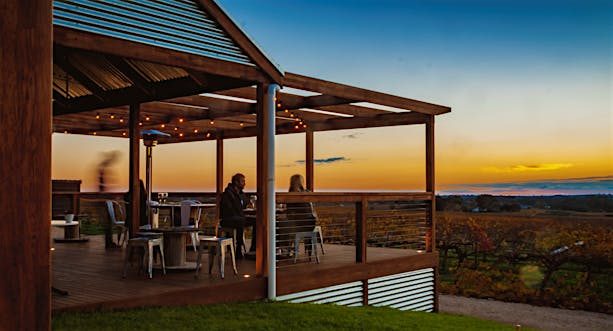
Imagine sitting on a sun-drenched terrace overlooking endless rows of green vines, a glass of world-class wine in your hand. Pair that perfectly poured vintage with artisan cheeses, freshly caught seafood, and farm-to-table produce.
Travelling across Australia offers more than just stunning beaches and rugged outback terrain. The continent boasts a culinary landscape that rivals the most famous gastronomic destinations in Europe.
Australian winemakers and chefs take immense pride in their unique terroirs. The massive size of the country allows for a vast range of climates, producing distinct flavour profiles in every state. From bold red wines in South Australia to crisp whites along the western coast, every glass tells a story about the earth it came from.
This guide explores the absolute best food and wine destinations across the country. We dive into the rich heritage of the Barossa Valley, the coastal magic of Margaret River, and the historic roots of the Hunter Valley. Read on to discover what makes each region unique, which local dishes you must try, and how to plan the perfect tasting itinerary.
Barossa Valley, South Australia
Image sourced from southaustralia.com
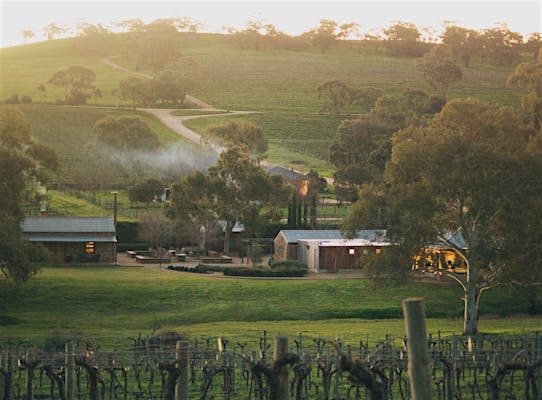
Located just an hour’s drive from Adelaide, the Barossa Valley stands as the undisputed heavy hitter of Australian wine. European immigrants, mostly from Silesia and Prussia, settled this fertile valley in the 1840s. They brought their agricultural knowledge and vine cuttings, laying the groundwork for a world-renowned wine industry.
What Makes the Barossa Special The Barossa Valley feels deeply rooted in tradition. You can still see the distinct European influence in the local architecture, historic Lutheran churches, and multi-generational family businesses. The region features some of the oldest continuously producing vines on the planet. Because the phylloxera plague never reached South Australia, many vines planted in the 19th century still yield incredible fruit today.
The warm, dry climate creates perfect conditions for producing deeply coloured, robust wines. However, the Barossa is not just about the grapes. The region champions a strong “paddock to plate” philosophy. Local farmers produce exceptional olive oil, cured meats, and stone fruits. Walking through a local farmers market here feels like stepping into a passionate community of flavour artisans.
Image sourced from artisansofbarossa.com
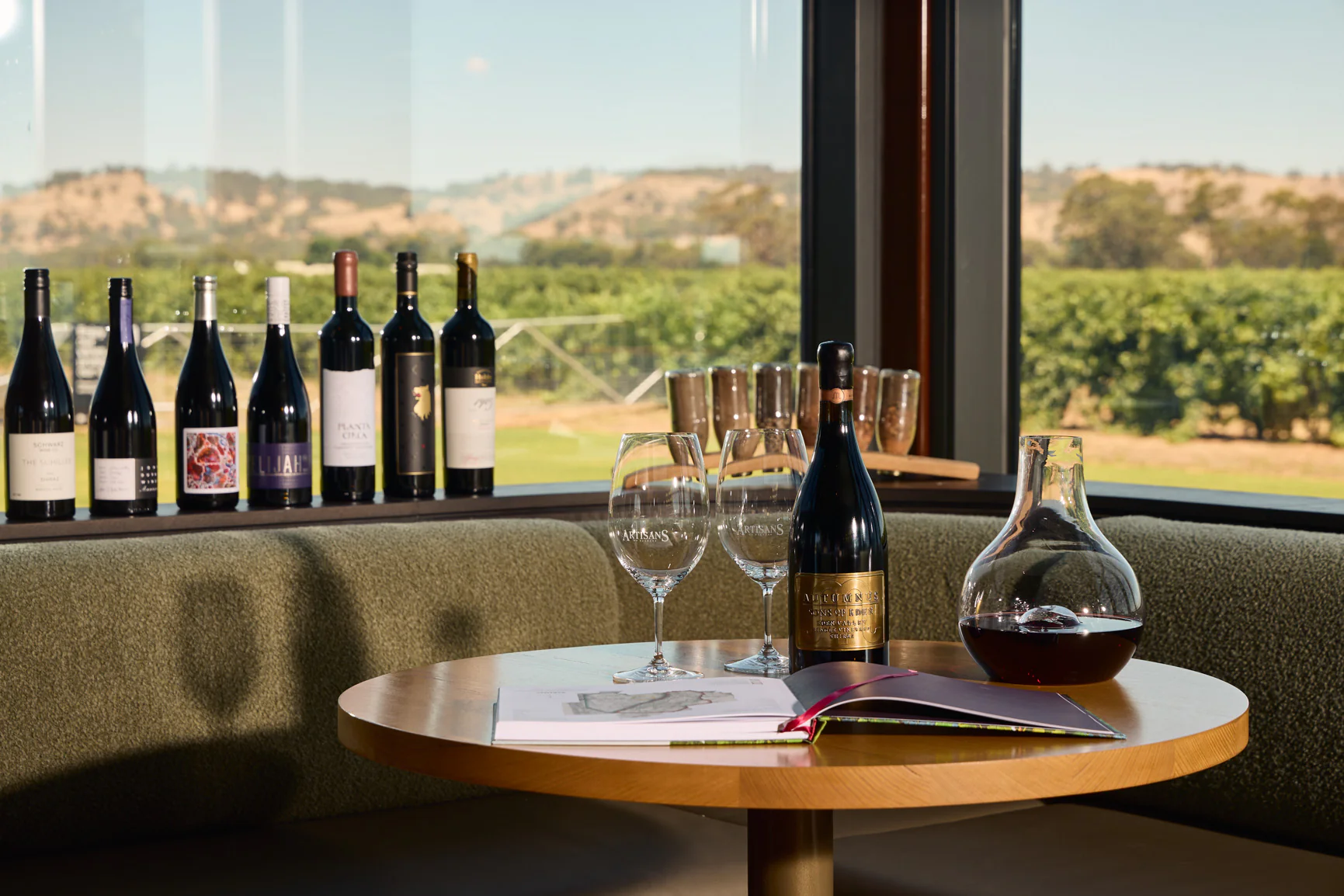
Must-Try Wines and Local Flavours You simply cannot visit the Barossa without tasting its signature Shiraz. Barossa Shiraz is famous worldwide for its full body, rich dark fruit flavours, and notes of chocolate and spice. Stop by iconic cellar doors like Penfolds or Henschke to taste vintages that have shaped global wine history. If you prefer white wine, the neighbouring Eden Valley produces vibrant, floral Rieslings.
For food, lean into the region’s strong Germanic heritage. Visit local butchers to try traditionally smoked mettwurst, lachsschinken, and flavourful bratwurst. Maggie Beer’s Farm Shop is another absolute must-visit destination. Here, you can sample incredible pates, fruit pastes, and verjuice made right on the property. Pair a wedge of local triple-cream brie with a freshly baked sourdough loaf for the ultimate vineyard picnic.
Essential Visitor Tips Rent a bicycle to explore the region at a relaxed pace. The Barossa Trail offers a paved, scenic path that connects major towns and dozens of fantastic cellar doors. This allows you to soak in the stunning vineyard views without worrying about driving.
If you plan to visit multiple tasting rooms, book a local driver or join a guided tour. Many premium wineries now require advance bookings for seated tasting experiences, so plan your itinerary well before you arrive. Visit during the Barossa Vintage Festival in April to experience the excitement of the autumn grape harvest.
Margaret River, Western Australia
Image sourced from Amelia Park Winery
Tucked away in the southwestern corner of Western Australia, Margaret River offers an intoxicating blend of culinary excellence and wild natural beauty. You will find this region roughly three hours south of Perth. It is one of the only places in the world where you can spend your morning surfing pristine ocean breaks and your afternoon sipping premium vintages at a luxury estate.
What Makes Margaret River Special Margaret River produces a tiny fraction of Australia’s total wine volume, yet it accounts for a massive percentage of the country’s premium wines. The region benefits from a maritime climate, strongly influenced by the Indian and Southern Oceans. This cooling ocean breeze allows the grapes to ripen slowly and evenly, creating highly elegant and structured wines. The dining scene here is intensely focused on hyper-local ingredients. Chefs draw inspiration from the surrounding oceans and the fertile forests. You will often find native Australian ingredients, such as finger limes and saltbush, seamlessly integrated into fine dining menus.
Image sourced from Amelia Park Winery
Must-Try Wines and Local Flavours Margaret River is globally celebrated for its Cabernet Sauvignon and Chardonnay. The Cabernet here is often compared to the finest Bordeaux blends, offering notes of blackcurrant, bay leaf, and fine gravelly tannins. Vasse Felix, the founding wine estate of the region, serves as the perfect starting point to understand these elegant profiles. The local Chardonnay is equally spectacular, known for its bright natural acidity and complex stone fruit flavours.
When it comes to food, seafood takes centre stage. You must try marron, a large freshwater crayfish native to Western Australia. Chefs often serve it simply grilled with local garlic butter to highlight its sweet, delicate meat. The region also boasts a thriving truffle industry. Visit during the winter months to experience freshly shaved black truffles paired with handmade pasta and a glass of aged Cabernet.
Essential Visitor Tips You absolutely need a car to explore Margaret River properly. The estates, beaches, and restaurants spread out over a large geographical area. Designate a driver for the day, or book one of the many luxury hop-on, hop-off wine tour services available in town. Do not limit yourself to just wine. Margaret River also features a booming craft beer and boutique distillery scene. Spend an afternoon at a local brewery enjoying a pale ale and wood-fired pizza under the eucalyptus trees. Pack a warm jacket even in summer, as the coastal evenings get surprisingly cool.
Hunter Valley, New South Wales
Image Sourced from Hello Manly
The Hunter Valley holds the proud title of Australia’s oldest wine region. Located just a two-hour drive north of Sydney, it serves as the ultimate weekend escape for city dwellers and international travellers alike. Vine plantings here date back to the 1820s, making it the birthplace of Australian commercial wine.
What Makes the Hunter Valley Special The Hunter Valley thrives in a unique, subtropical climate that technically shouldn’t work for high-end winemaking. Heavy summer rains and high humidity challenge the growers constantly. Yet, through generations of skill and perseverance, local winemakers have turned these conditions into an advantage.
The region embraces a lively, welcoming atmosphere. You will find a massive concentration of cellar doors, ranging from historic, ivy-covered stone buildings to ultra-modern glass tasting rooms. The Hunter Valley also excels at pairing experiences. Many vineyards offer masterclasses matching their wines with locally made chocolates, artisan cheeses, and even oysters.
Images sourced from De Bortoli Wines
Must-Try Wines and Local Flavours Hunter Valley Semillon is a true global anomaly and a masterpiece of winemaking. When young, this white wine is incredibly crisp, zesty, and highly acidic. However, if you cellar it for a decade, it magically transforms. It develops rich, honeyed, and toasty flavours without ever seeing the inside of an oak barrel. You must taste an aged Semillon at historic estates like Tyrrell’s or Mount Pleasant to understand its brilliance.
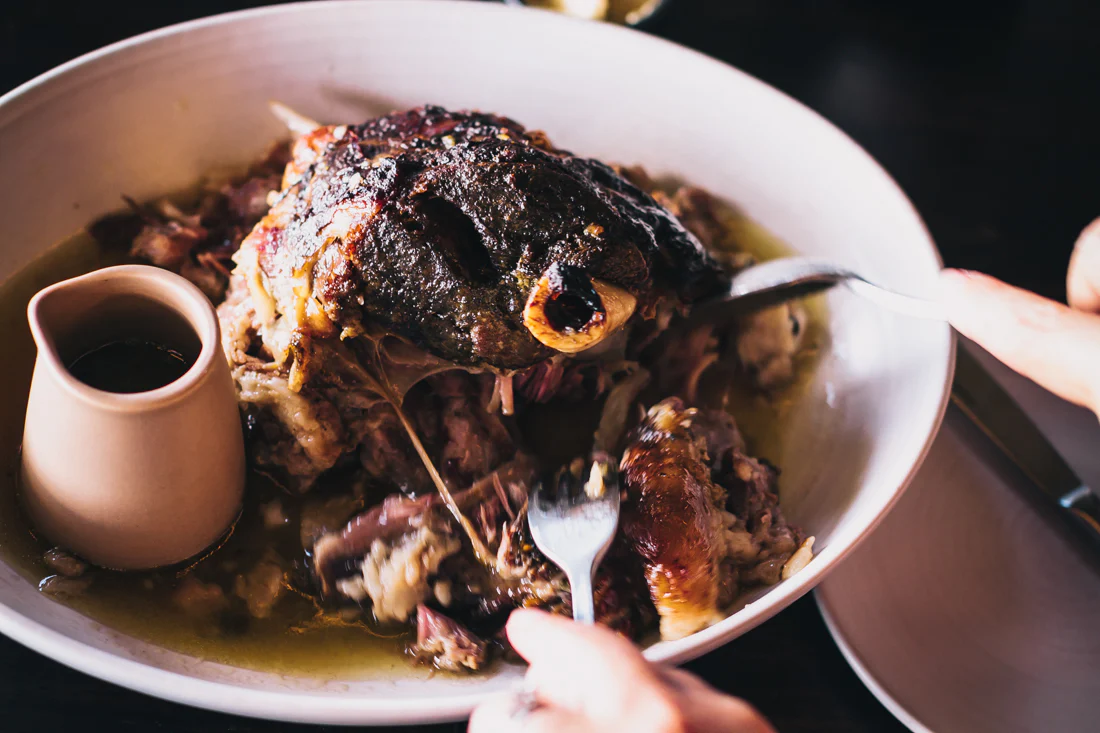
The local food scene heavily supports the stellar wines. The region is famous for its farm-to-fork restaurants nestled right among the vines. Look for menus featuring slow-roasted lamb, wood-fired seasonal vegetables, and locally sourced cheeses. Make sure to visit the Hunter Valley Smelly Cheese Shop to stock up on washed-rind cheeses and massive green olives before heading back to your accommodation.
Essential Visitor Tips To truly appreciate the massive scale of the vineyards, book a sunrise hot air balloon flight. Floating silently over the misty, vine-covered rolling hills provides an unforgettable perspective of the valley. Most flights conclude with a traditional champagne breakfast.
Summer in the Hunter Valley gets intensely hot, so start your wine tastings early in the day. Make dinner reservations well in advance, as the top vineyard restaurants book out months ahead, especially on weekends. If you want a break from wine, visit the beautiful Hunter Valley Gardens to walk through meticulously curated floral displays.
Planning Your Culinary Adventure
Australia’s food and wine regions offer much more than just a great meal or a nice glass of wine. They provide a connection to the land and the passionate people who cultivate it. Whether you crave the bold, historic reds of the Barossa Valley, the elegant coastal whites of Margaret River, or the age-defying Semillons of the Hunter Valley, your palate will be heavily rewarded.
Start researching your favourite flavour profiles and mapping out your tasting routes. Reach out to local cellar doors to secure your spots for private tastings. Pack a healthy appetite, a curious mind, and get ready to taste the absolute best that Australia has to offer.
Christmas Open Hours
Clearview Accessories will be closed from the 20th of December 2024 to the 5th of January 2025 to celebrate the Christmas season with our loved ones.
Any orders received during this period will be processed upon our return from Monday 6th January 2025.
On behalf of the whole Clearview team, we’d like to wish you a very merry Christmas and a happy and safe New Year!
Christmas Open Hours
Clearview Accessories will be closed from the 22nd December 2023 to the 8th January 2024 to celebrate the Christmas season with our loved ones. Any orders received during this period will be processed upon our return from Monday 8th January 2024.
On behalf of the whole Clearview team, we’d like to wish you a very merry Christmas and a happy and safe New Year!