
The Essential Unwritten Rules of Australian 4WDing
Australia offers some of the best off-road tracks in the world. Whether you are a weekend warrior or a seasoned outback explorer, driving a 4×4 comes with a specific set of unwritten rules. These rules focus heavily on respect and our treatment of other drivers.
Following these guidelines keeps everyone safe, prevents vehicle damage, and supports future access to the tracks we love. Here are the main unwritten rules every four-wheel driver needs to know, whether you are heading out for your first weekend trip or your fiftieth outback crossing.
Driving in a group or simply sharing a popular track with other vehicles, requires specific awareness. How you interact with the vehicles around you changes the entire experience.
1. Leave Plenty of Space
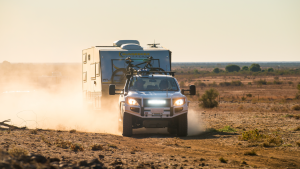
Crowding the vehicle in front of you creates immediate danger. This applies whether you are cruising down a dusty corrugated road or watching someone tackle a difficult obstacle. Dust trails severely limit visibility. Tailgating on dusty tracks is also one of the fastest ways to destroy an engine’s air filter and potentially cause severe engine damage due to “dusting”.
Keeping a healthy distance gives you time to react to sudden stops, washouts, or wildlife crossing the track.
When another driver navigates a tough climb or a deep rut, hang back. They might need to reverse suddenly or reposition to find a better line. Fill their rear view mirror with your grill, and you remove their escape path. Give people the room they need to work out the obstacle safely.
2. Yield to Uphill Traffic
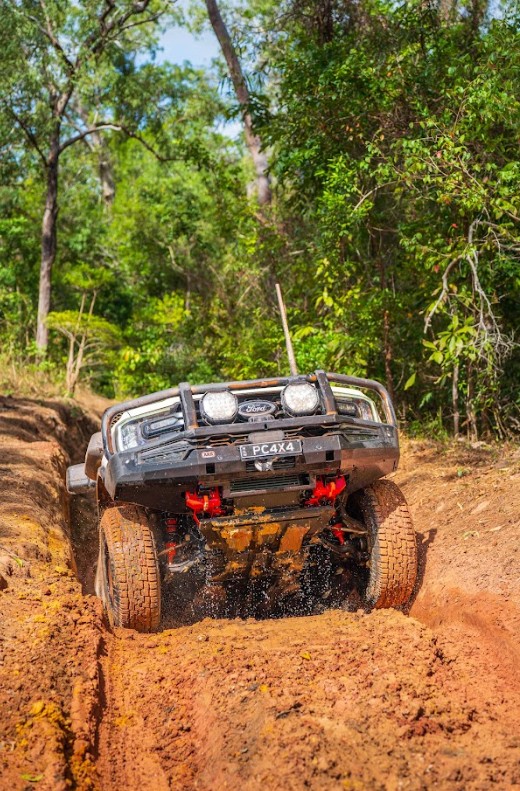
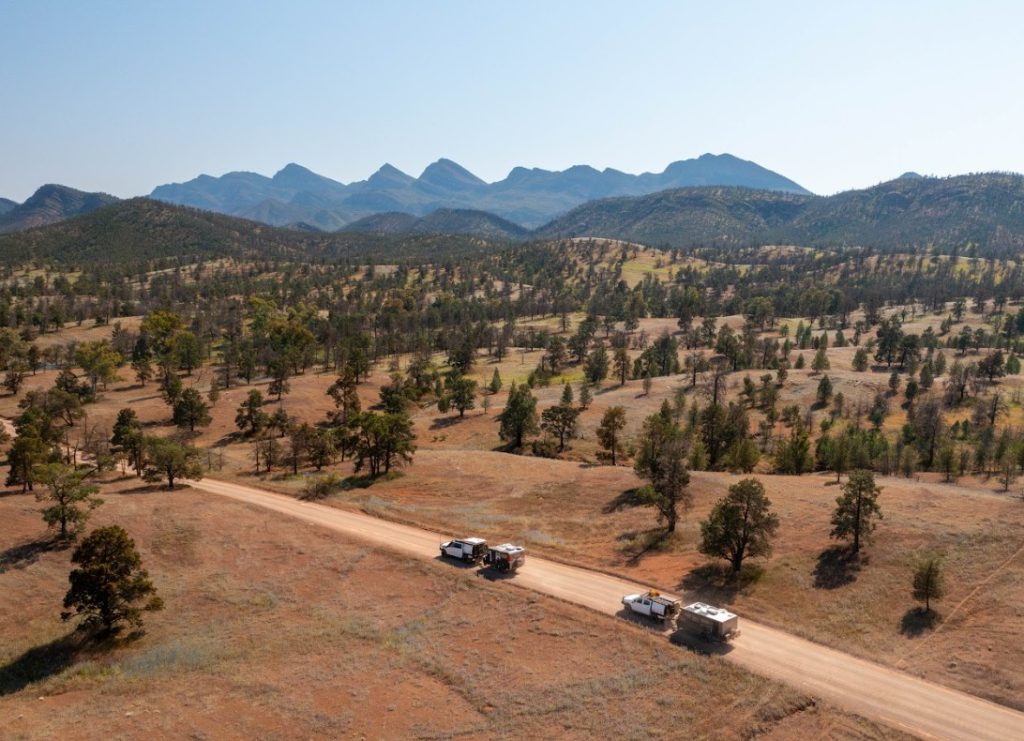
This rule is grounded in both common sense and vehicle dynamics, and on many narrow, steep, or single-lane roads, it is also reflected in road rules. A vehicle climbing a loose or rocky incline needs momentum to keep moving against gravity. Once it stops, regaining traction and speed can be difficult, especially on unstable ground. By comparison, the driver heading downhill usually has more control when it comes to stopping safely, and if needed, reversing to a wider section is often the safer option.
Reversing down a steep hill is one of the riskiest moves you can make in a 4×4. Visibility is worse, control is reduced, and the chance of sliding or making a bad correction goes up fast. That is why the uphill vehicle generally gets priority. If you are descending and spot a vehicle climbing toward you, don’t wait until the last second. Slow down early, look ahead, and pull into a safe passing area as soon as you can. On narrow tracks with turnouts, the vehicle closest to the wider spot should use it. When heading downhill, staying in a low gear also helps you stay in control by using engine braking instead of relying too heavily on the brakes. In short, the driver going up has the right of way for a reason, and respecting that rule keeps everyone safer.
3. Safe Passing on the Tracks
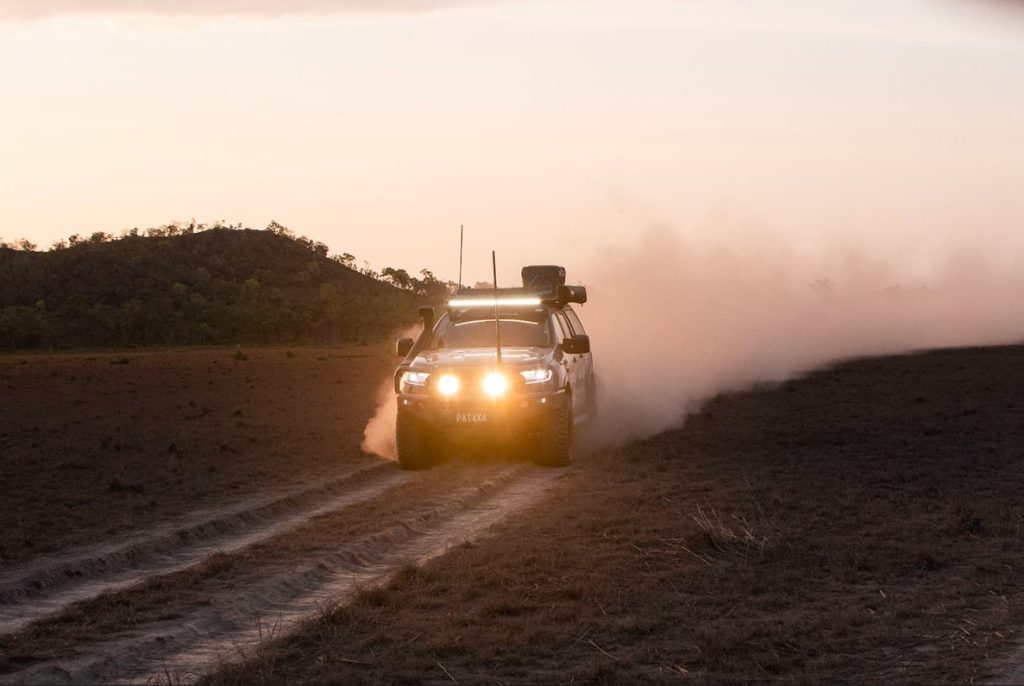
Faster drivers will eventually catch up to you. When they do, find a wide, safe spot, pull over, and let them pass. Trying to outrun someone in the dust only leads to broken gear and potential accidents.
Similarly, when you drive past parked vehicles, campsites, or someone changing a tyre, drop your speed to an absolute crawl. Flying past at high-speed throws dangerous rocks and coats their entire setup in thick dust. Slowing down shows immediate respect for your fellow travellers.
Your vehicle might have all the expensive modifications in the brochure, but all the gear cannot replace smart driving habits.
1. Air Down Before You Have To
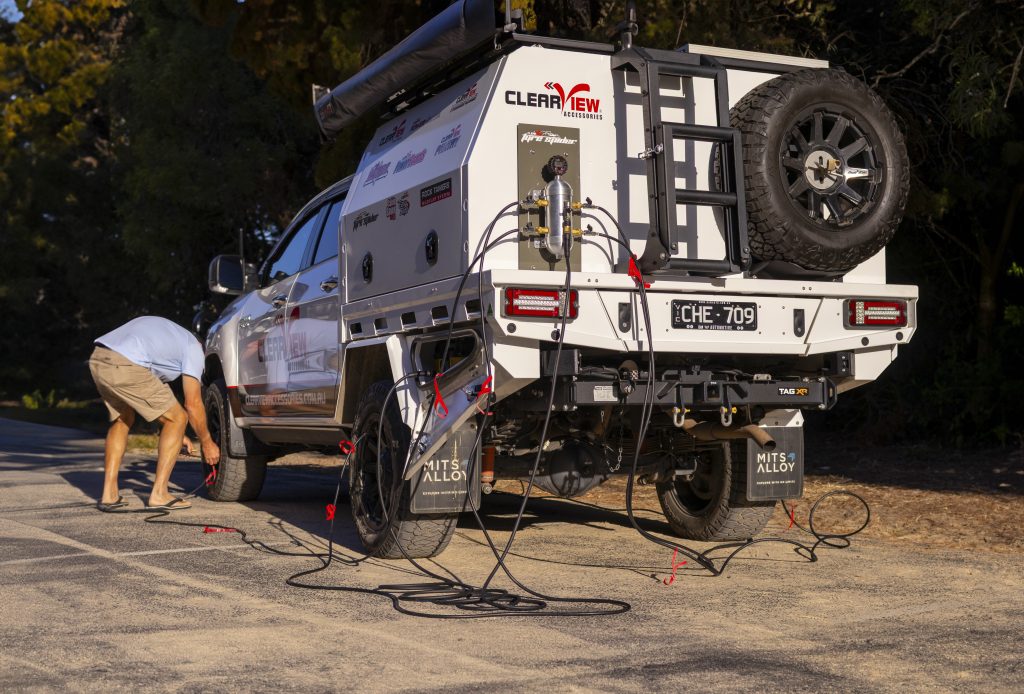
Nothing identifies a rookie driver faster than a vehicle bouncing violently over rough terrain on highway-pressure tyres. Lowering your tyre pressure expands the footprint of your rubber. This simple action significantly improves your traction, softens the ride, and reduces the brutal wear and tear on your suspension components.
More importantly, aired-down tyres protect the track. Hard tyres dig deep holes and chew up soft surfaces. If you see other drivers pulling over at the start of a dirt section to deflate their tyres, pull over and do the same. For soft sand, dropping to between 15 and 20 psi provides a great starting point.
The Clearview Tyre Spider simplifies this process entirely. This system allows you to quickly and evenly adjust the tyre pressures of your vehicle, caravan, or trailer simultaneously.
2. Walk the Obstacle First
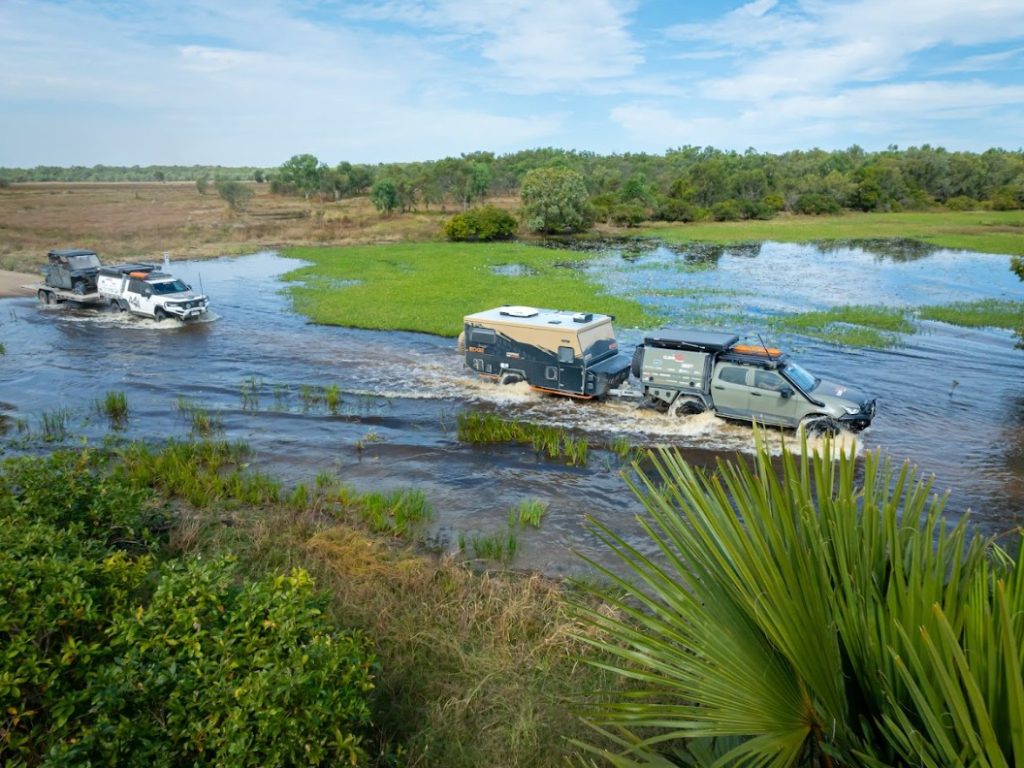
Water crossings, deep mud bogs, and sharp rocky ledges hide nasty surprises. Submerged logs, deep holes, and sharp rocks destroy vehicles every single weekend. If you feel unsure about an obstacle, stop the car and assess it before committing. In many situations, getting out and walking the line saves you hours of complicated recovery work later, but that rule does not apply everywhere. In crocodile country, never enter the water on foot to test the depth or check the bottom. Crocodiles can strike in very shallow water, so keep well back from the edge, obey all warning signs and barriers, and treat every crossing with extreme caution. If a river crossing is in known croc territory, only attempt it at a recognised vehicle crossing and only in a properly equipped high-clearance 4WD, ideally with a snorkel. Check local conditions first, including tide and road reports, cross only in daylight, and do not proceed if the water is too deep, fast, or unsafe. When conditions are suitable, approach slowly and maintain a steady, continuous pace through the crossing. If there is any doubt at all, wait it out or turn back.
3. Maintain Steady Momentum
Excessive wheel spin damages tracks and buries your vehicle up to the axles. Many drivers panic when they lose traction and press the accelerator harder. This strategy rarely works.
If your tyres start spinning without moving you forward, back off the throttle. Reverse a few feet if possible, assess the track, and pick a slightly different line. Rely on steady momentum rather than aggressive power.

Access to incredible off-road tracks depends entirely on how we treat them. Poor behaviour leads directly to locked gates and permanent track closures.
1. Pack Up Everything You Pack In
Nature does not provide garbage disposal services. Every wrapper, broken piece of recovery gear, and empty bottle you bring into the bush must go back home with you. Leaving rubbish behind disrespects the environment and gives authorities an easy excuse to close the area. If you find rubbish left by someone else, pick that up too.
2. Leave Gates Exactly as You Found Them
Rural properties and access routes often feature gates. The rule here remains absolute: if you open a gate, you close it behind you. If a gate sits wide open when you arrive, leave it open. Property owners set these gates to manage livestock and property boundaries. Ignoring this rule damages the vital relationship between off-roaders and landowners.
3. Stay on the Established Tracks
Pushing a new path through the scrub to avoid a mud puddle destroys local vegetation and creates new erosion problems. Stick to the designated tracks. If an obstacle looks too difficult, use your recovery gear or turn around. Blazing a new trail is never the correct answer.
Clear communication prevents accidents and builds camaraderie among drivers.
1. Acknowledge Other Drivers
The simple wave remains a cornerstone of the off-road community. A quick lift of the fingers from the steering wheel or a smile as you pass an oncoming vehicle costs nothing. It is much like the Jeep wave, the Y62 wave, or any other kindred-spirit vehicle salute: a small gesture that carries a lot of meaning. These traditions symbolise camaraderie, mutual respect, and a shared love of the lifestyle that comes with these vehicles. Acknowledging others reinforces that community spirit out on the tracks.
2. Use the UHF Radio Smartly
A UHF radio is one of your best safety tools, provided you use it properly. In Australia, UHF CB uses 80 channels, and some of them have well-established purposes. Channel 40 is the main road safety channel used by truck drivers and oversized loads on major highways. Channel 10 is the go-to channel for 4WD clubs, convoy travel, and general communication in many national parks. Channel 18 is commonly used by caravanners and campers, while Channel 11 is the call channel for making initial contact before moving to a clearer working channel. If you are approaching blind corners, narrow ridges, steep crests, or any section where visibility is limited, make a short, clear call to announce your position.
Just as important is knowing which channels not to use for general chat. Channels 5 and 35 are strictly for emergencies. Channels 22 and 23 are reserved for telemetry and telecommand, so voice transmissions are not permitted on them. Whatever channel you are on, keep your transmissions brief and relevant, especially on Channels 10, 18, and 40. Long-winded chatter clogs the airwaves and can block an important safety call when someone really needs it.
3. Signal Your Group Size
When you pass an oncoming vehicle on a tight track, hold up your fingers to indicate how many cars are travelling behind you. If you are the final vehicle in the convoy, hold up a closed fist. This simple hand signal lets the oncoming driver know the track is completely clear and they can proceed safely.

4. Help When You Can
The off-road community relies on mutual support. If you see a vehicle stuck on a dune or broken down on the side of a track, stop and check on them. You do not have to perform complex mechanical repairs, but offering a tow, a shovel, or just an extra set of hands makes a massive difference. You will inevitably need a hand yourself one day.
Being easy to help matters just as much as offering help. If you get stuck, make yourself a safe vehicle to recover by carrying your own rated recovery gear, using properly rated recovery points, and checking that your equipment is in sound condition before every trip. Snatch straps are not lifetime items. They should be replaced based on wear, damage, and how often they have been used, not simply their age. With proper care, a strap may last for years, but many manufacturers and safety guidelines recommend replacement after roughly 10 to 12 heavy recoveries. Because snatch straps work by stretching under load, they gradually lose both their elasticity and structural strength over time. Safe recoveries start with both vehicles being properly prepared.
Following these unwritten rules transforms you from just another vehicle on the track into a respected member of the off-road community. Treat the tracks with care, communicate clearly, and always prioritise safety over ego. Check your tyre pressures, turn on your UHF, and enjoy the adventure ahead!
Whether you’re a seasoned traveller or new to towing, understanding the right techniques, tools, and safety measures is crucial for a smooth and secure journey.
This page is your ultimate guide to all things towing. From selecting the best accessories to ensuring your setup complies with legal requirements, we’ve gathered everything you need in one place. Dive into expert advice, practical tips, and detailed guides designed to make towing easier, safer, and more enjoyable.

Finding the right gear for your vehicle can feel overwhelming, so we created this hub to simplify the process.
Whether you need extendable towing mirrors, a set of mud flaps, or a fridge slide, we provide clear details on how to choose the right equipment for your specific setup. Making informed decisions about your gear ensures your setup performs the way you want.
Browse our detailed guides to find exactly what you need to build a secure and capable towing setup for your next journey.

Heading off the beaten path requires more than just a capable vehicle. Taking an unprepared 4×4 into remote areas quickly turns an exciting adventure into a frustrating, and potentially dangerous, ordeal. To ensure safety, capability, and convenience on the tracks, you need the right gear.
Equipping your 4×4 with the proper accessories prevents damage, helps you escape tricky situations, and makes your campsite feel like a second home. This guide breaks down the essential 4WD accessories you need to tackle any adventure with confidence.

Clearview Fridge Slides are more than just a luxury – They’re a practical upgrade that provide ease and convenience to your outdoor dining experiences.
Clearview fridge slides bridge the gap between the practicality of chest fridges and their accessibility challenges, ensuring you get the best of both worlds.
Here’s why a drop down fridge slide should be the next essential addition to your outdoor gear.