
Essential Safety Guide
Hitting the open road with a caravan, boat, or trailer in tow brings an unmatched sense of freedom. Whether you are heading out for a weekend camping trip or moving heavy equipment for work, towing completely changes how your vehicle handles. It requires preparation, awareness, and specific knowledge to keep yourself and others safe on the road.
Before you hitch up and head out, you need to understand the fundamentals. This guide covers the critical towing knowledge every driver needs. We will break down vehicle capacities, proper loading techniques, pre-trip safety checks, and how to adjust your driving style for a smooth, safe journey.

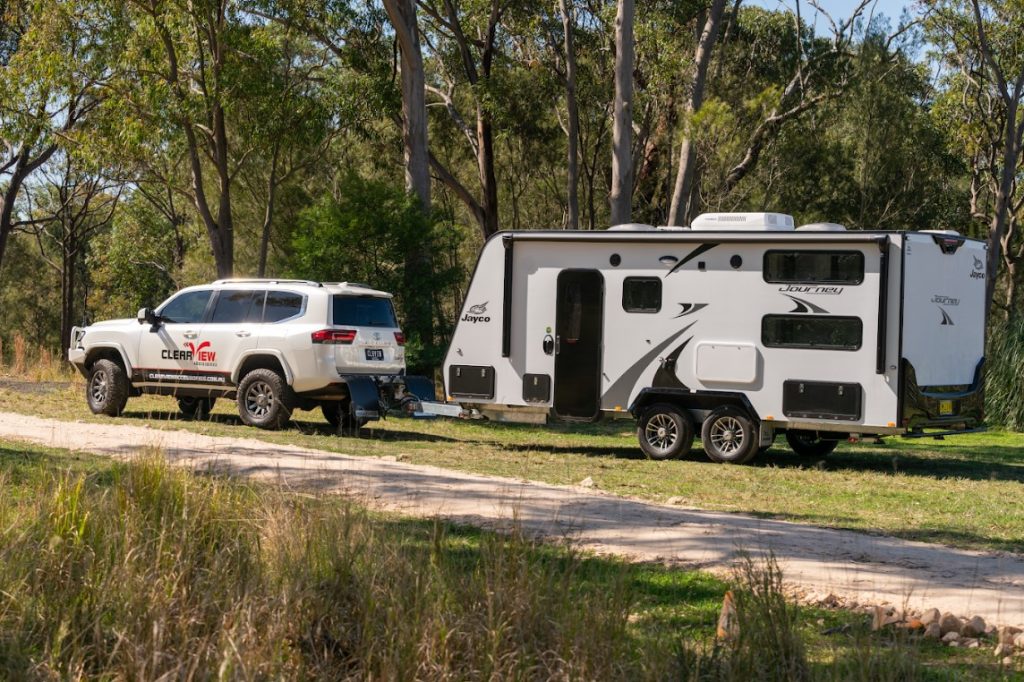
The foundation of safe towing starts with knowing exactly what your vehicle can handle. Never guess your vehicle’s towing capacity. Pushing your vehicle beyond its limits causes severe mechanical damage and creates dangerous driving conditions.
Check your owner’s manual to find your vehicle’s maximum braked and unbraked towing capacities. “Unbraked” refers to towing a trailer without its own braking system, which always has a much lower weight limit. “Braked” capacity applies when your trailer features its own brakes, allowing you to tow significantly more weight.
As a general rule of thumb, your towing vehicle should ideally be heavier than your fully loaded trailer. This weight advantage gives you better control and helps prevent the trailer from pushing the vehicle around during sudden stops or high winds.
A thorough inspection before hitting the road prevents breakdowns and accidents. Make these safety checks a mandatory part of your pre-trip routine.
First, verify that your trailer registration is current. Next, connect the trailer plug and test all lights. Have someone stand behind the trailer to confirm that the brake lights, indicators, and taillights function perfectly.
Inspect your physical connections. Cross your safety chains under the hitch before attaching them to the tow bar; this creates a cradle that catches the drawbar if it ever disconnects. Carefully check the drawbar itself for any signs of rust, stress fractures, or cracks. Finally, check the tyre pressure and tread depth on both your vehicle and the trailer, and never forget to inspect the spare tyres.
It’s important to remember that tyres age even if they have plenty of tread or have never been used—rubber naturally degrades over time due to factors like sunlight, heat, and oxidation. Driving on old tyres poses a serious safety risk, increasing the chances of sudden failure such as tread separation or blowouts. Many manufacturers recommend having tyres professionally inspected every year once they reach five or six years old, and replacing them at ten years of age at the latest, no matter their appearance or amount of use. This guideline applies to spare tyres, trailer tyres, and caravan tyres as well, which often go unused for long periods.
To check the age of your tyres, find the letters “DOT” on the sidewall and look for the last four digits following it—the first two indicate the week, and the last two show the year of manufacture (for example, “1623” means the 16th week of 2023). Tyres produced before 2000 have a three-digit code and should not be used. Remember, aging tyres can hide cracks and lose elasticity, leading to reduced traction and braking. Low-use tyres are particularly susceptible to dry rot, making regular checks essential. Signs of aging include visible cracks, frequent loss of air, increased vibration, and unusual road noise.
Improper loading is the leading cause of trailer sway. When a trailer begins to sway or “snake” side to side, it can quickly force the towing vehicle out of control.
To prevent this, you must distribute the weight correctly. Always load 60% of your cargo weight in the front half of the trailer, ahead of the axle. Keep the centre of gravity as low as possible by placing heavy items flat on the floor. Secure all items tightly with quality ratchet straps so the load cannot shift during transit.
Towing a heavy load requires a completely different mindset behind the wheel. You must anticipate traffic patterns earlier and give yourself plenty of space.
The extra weight behind your vehicle significantly increases your stopping distance. Double the gap you normally leave between your vehicle and the car in front of you. Always drive at lower speeds when towing, as high speeds increase the likelihood of trailer sway and make it harder to recover if you lose control.
Avoid harsh braking or sharp steering inputs. Sudden jerks on the steering wheel can cause the trailer to whip outward. When taking corners, swing a little wider than usual so your trailer tyres do not clip the curb.
Reversing a trailer takes practice and patience. Always take it slow. Grip the steering wheel at the bottom; moving your hand to the left makes the trailer go left, and moving your hand to the right makes the trailer go right. If visibility is tight, ask a passenger to act as a spotter. A reliable spotter prevents expensive accidents.
When you attach a wide trailer or caravan to your vehicle, your standard factory mirrors become practically useless. You simply cannot see what is happening in your blind spots or down the side of your trailer.
Extended towing mirrors are absolutely essential for visibility and safety. They allow you to monitor the length of your trailer, keep an eye on passing traffic, and reverse with precision. Upgrading to high-quality towing mirrors ensures you remain fully aware of your surroundings at all times.
Towing regulations vary depending on your location. Take the time to familiarise yourself with local towing laws, including required safety equipment.
Planning your route carefully makes a massive difference in your stress levels. When pulling a heavy load, use GPS mapping tools to preview your journey. Try to avoid routes with steep mountain inclines, extremely narrow roads, or high-density traffic areas if a simpler alternative exists.
Mastering these towing basics ensures that your next trip is memorable for all the right reasons. By respecting your vehicle’s capacities, distributing weight correctly, performing diligent safety checks, and adjusting your driving habits, you protect your cargo and your family.
Set up your vehicle properly, take your time, and enjoy the journey ahead. Safe travels!
Whether you’re a seasoned traveller or new to towing, understanding the right techniques, tools, and safety measures is crucial for a smooth and secure journey.
This page is your ultimate guide to all things towing. From selecting the best accessories to ensuring your setup complies with legal requirements, we’ve gathered everything you need in one place. Dive into expert advice, practical tips, and detailed guides designed to make towing easier, safer, and more enjoyable.

Finding the right gear for your vehicle can feel overwhelming, so we created this hub to simplify the process.
Whether you need extendable towing mirrors, a set of mud flaps, or a fridge slide, we provide clear details on how to choose the right equipment for your specific setup. Making informed decisions about your gear ensures your setup performs the way you want.
Browse our detailed guides to find exactly what you need to build a secure and capable towing setup for your next journey.

Towing puts significant strain on your vehicle. It affects braking, handling, and visibility. To keep yourself, your passengers, and other road users safe, setting up your vehicle with the right gear is absolutely essential.
Here is a complete breakdown of the must-have towing accessories you need for a safe and successful journey, plus a look at how additional gear impacts your overall weight limits.

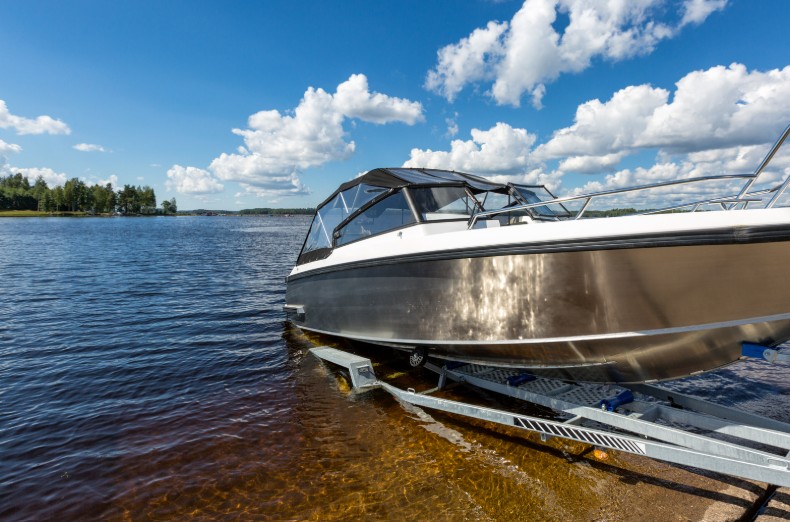
Picture it: the sun’s barely up, the fish are biting somewhere out there, and you’re stuck at the ramp watching someone jack-knife their trailer for the third time. Behind them, a line of frustrated boaties taps their steering wheels. Ever wondered why the ramp seems to bring out the worst in otherwise capable drivers?
Boat ramp failures aren’t usually about skill. They’re generally about patience, and knowing a handful of small techniques that make a big difference. Get those right and you’ll launch smoothly.
In this guide, we’ll walk through pre-launch preparation, reversing and steering tips, and how to secure your vehicle safely. By the end, you’ll have a practical checklist you can use at any ramp in the country.
Hitting the open road with a caravan is one of the best ways to explore Australia. We all want to have a relaxing, fun, and memorable trip. To make sure everyone enjoys their getaway, we rely on a few simple rules of the road and camp. Whether you are pulling into a bustling holiday park or setting up at a remote bush camp, practicing good etiquette makes you a fantastic camping neighbour and keeps our roads safe.
Here is everything you need to know about Australian caravan etiquette.
Setup and Adjustment Tips
To maximise the performance of your Clearview Next Gen Mirrors, proper setup and adjustment are key.
Set the Top Mirror (Flat)
Adjust it to give you a clear view of the road behind your vehicle, focusing on lane positioning.
Fine-Tune the Bottom Mirror (Convex)
Use the bottom mirror to eliminate blind spots in adjacent lanes – it should complement the top mirror, not overlap its reflection.
Consider a convex replacement
If the dual mirror design feels overwhelming, consider replacing the flat top glass with a convex one for a uniform view across both mirrors. (Important note: Depending on your vehicle’s registered Category, there may be a legal requirement for a flat mirror glass on the Driver’s side mirror to ensure compliance with ADR 14/02.)
Want detailed guidance? Check out our step-by-step video tutorials below for expert advice on how to set up your Clearview Mirrors!
Selecting the best float to safely transport your horses is only the beginning!
A moving load requires extra care, so maintaining your safety as well as the safety of your horses whilst towing, is crucial. The comfort and safety of your horses whilst in transit relies on the smoothest ride, allowing your horses to retain their balance.
There are a few things to keep in mind when towing a horse float.
Protect your valuable setup from damaging stones and debris with the Rock Tamers Mudflap System. This is the ultimate adjustable and removable mudflap solution for all your towing needs. Whether you’re towing a caravan, boat, or large trailer, these heavy-duty mudflaps safely deflect damaging road debris, mud, and rocks away from your gear.
Designed for true versatility, Rock Tamers easily adjust to fit almost any tow vehicle. You can install or remove them in minutes with no drilling required. Investing in a high-quality mudflap system prevents costly dents and broken windows, ultimately extending the life of both your vehicle and your accessories.
Equip your rig with Rock Tamers today and travel with total peace of mind.