
The Essential Unwritten Rules of Australian Caravanning
Hitting the open road with a caravan is one of the best ways to explore Australia. We all want to have a relaxing, fun, and memorable trip. To make sure everyone enjoys their getaway, we rely on a few simple rules of the road and camp. Whether you are pulling into a bustling holiday park or setting up at a remote bush camp, practicing good etiquette makes you a fantastic camping neighbour and keeps our roads safe.
Here is everything you need to know about Australian caravan etiquette.
When you check into a caravan park, you join a tight-knit community. Follow these tips to keep the peace and make friends.
Respect Site Boundaries: Keep your caravan, awning, chairs, and vehicle entirely within your designated plot. Never walk through another person’s site as a shortcut to the bathroom or beach. Take the extra time to walk around.
Mind the Noise and Light: Caravan walls are thin. Keep your voices and music down after 9 PM or 10 PM. Remember to dim your bright exterior lights so they do not shine into your neighbour’s windows.
Keep Shared Spaces Clean: Treat camp kitchens and bathrooms like your own home. Wipe down the BBQ, rinse clean the shower floor after use, and always take your personal items back to your van.
Use Dump Points Correctly: Empty your waste only at designated dump points and leave the area perfectly clean for the next person.
Supervise Kids and Pets: Parks are great for families, but keep an eye on your children to ensure they stay safe and do not disturb others. Keep your dog on a leash, prevent them from wandering into other sites, and always pick up after your pet.
Follow Park Times: Adhere strictly to check-in and check-out times. If you are going to be late, call ahead so the park staff can help you.
Leave Wildlife Alone: Enjoy the local animals from a distance. Feeding wildlife causes dependency and illness, so keep your food to yourself. (Don’t kill them with kindness)
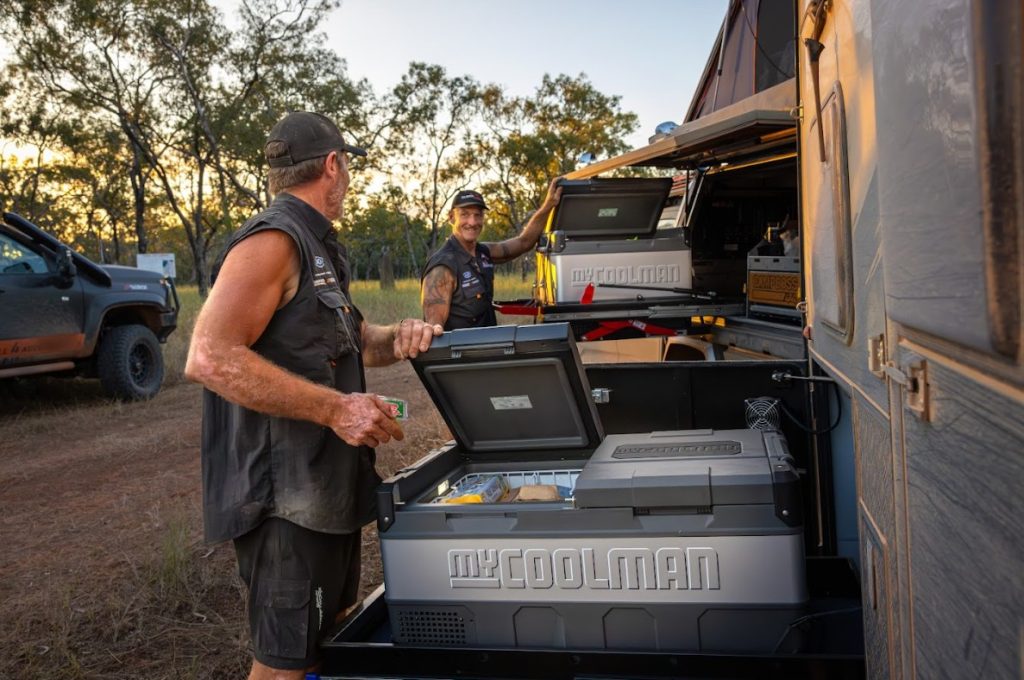
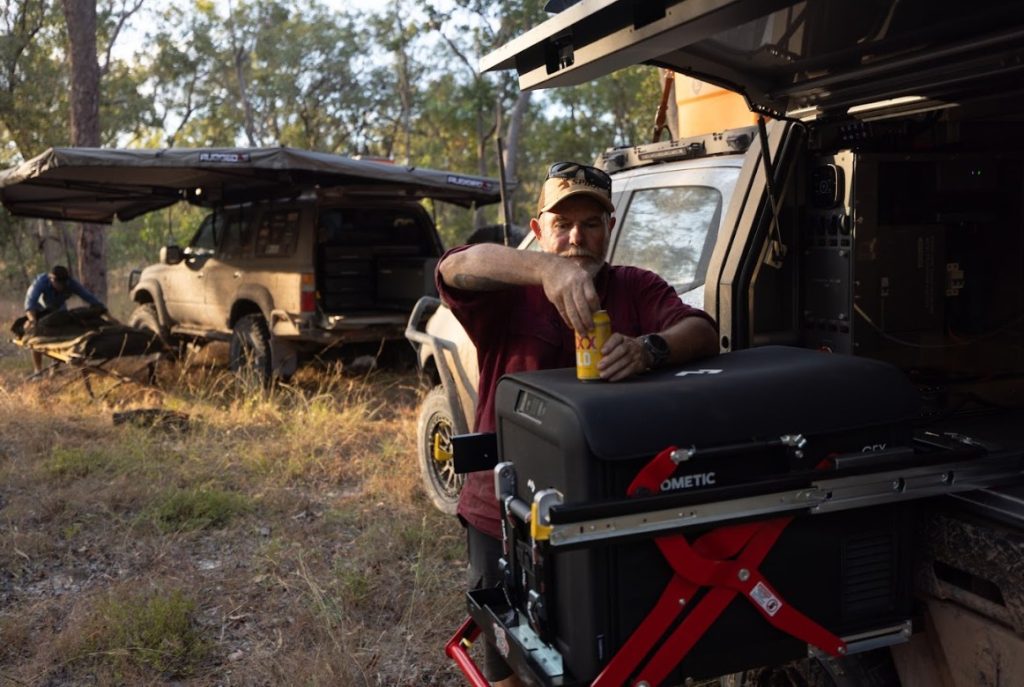
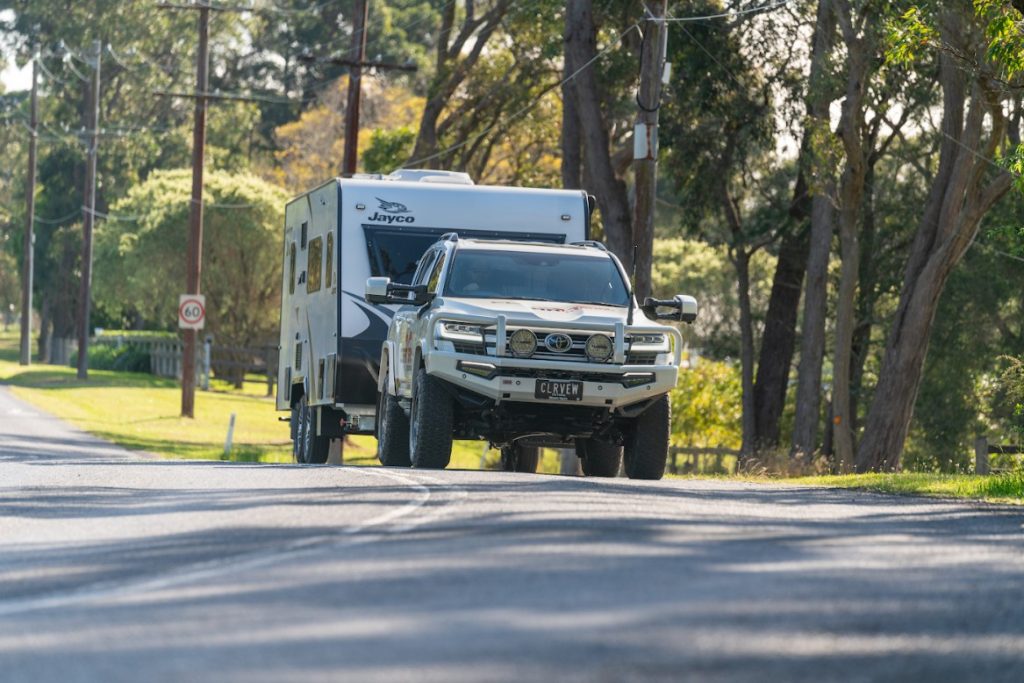

Safe driving and courtesy go hand in hand when towing a heavy load across vast Australian distances.
Pull Over for Traffic: If you are driving below the speed limit and a line of cars forms behind you, safely pull over at the nearest turnout to let them pass.
Keep Your Distance: Leave at least a 60-metre gap between you and other large vehicles. If you are travelling in a road train area, expand that gap to 200 metres. This gives other drivers enough room to safely overtake you.
Tune into UHF Channel 18: Using a UHF radio is the best way to communicate with trucks and fellow travellers. Channel 18 is widely recognised as the caravanners’ channel. Channel 40 is the main road safety channel used by truck drivers and oversized loads on major highways. Learn about other UHF channels here.
Be Truck Aware: Trucks are on a strict schedule. When a truck pulls out to overtake you, maintain your speed until they are alongside, then slightly reduce your speed so they can pass quickly.
If you are behind a truck, you can briefly flash your high beams to let the driver know there is enough room to merge back in safely. To say thanks, many travellers use two or three quick flashes of the hazard lights or a fast left-right-left indicator toggle. Always use signals safely and clearly, avoid anything that could confuse other drivers, and never cut in too soon after passing because trucks need plenty of space.
Never park your caravan in a “Trucks Only” rest area. In shared rest areas, park carefully so you do not block exits.
Bush camping allows you to connect with nature. We must all work together to protect these beautiful spots.
Be Self-Contained: When free camping, aim to be completely self-sufficient. Bring your own water, manage your toilet waste, and rely on your own power.
Take Your Rubbish: Leave no trace. Pack all your rubbish out with you instead of overflowing small public bins. Leave the campsite cleaner than you found it.
Manage Fires Safely: Only light fires in permitted areas and bring your own firewood rather than damaging local vegetation. To fully extinguish a campfire, use the Drown, Stir, Drown, and Feel method. First, drown the fire with plenty of water, slowly soaking all embers and coals to avoid steam burns. Next, stir the ashes, dirt, and embers with a shovel or sturdy branch so water reaches every hot spot. Then drown it again with more water until everything is thoroughly soaked. Carefully feel for heat with the back of your hand near the ashes. If it is too hot to touch, it is too hot to leave. Repeat the process until the fire is completely cool, with no smoke or steam rising, then clean up the cold ashes safely. Never leave a fire unattended until it is fully cool to the touch. Avoid using only dirt or sand, as they can trap heat and let the fire smoulder underneath. Keep enough water close by before lighting the fire, and break up larger logs so they can be soaked completely.
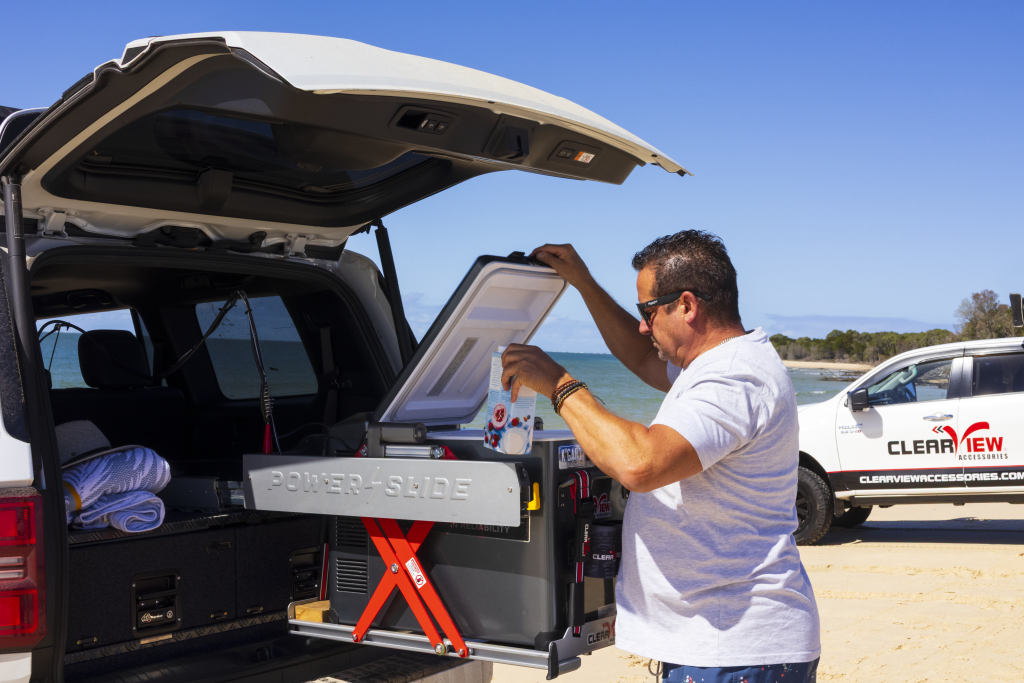
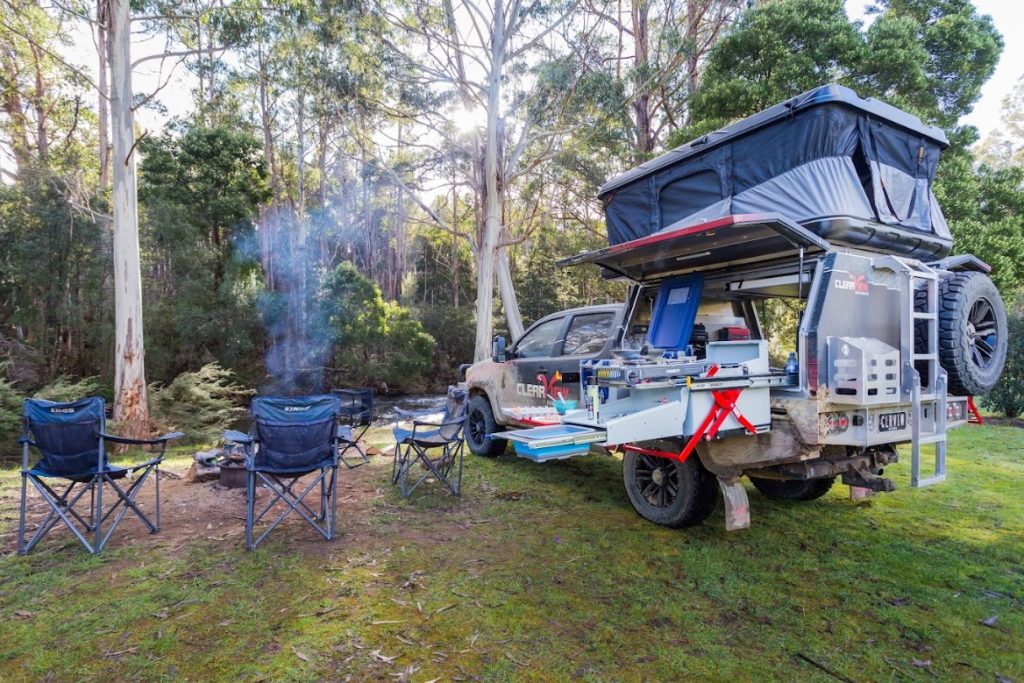
Being a good camping neighbour comes down to common sense and respect. When we all look out for one another, keep our sites tidy, and drive thoughtfully, we make travelling safer and much more enjoyable for everyone. Safe travels, and enjoy your great Australian road trip!
Whether you’re a seasoned traveller or new to towing, understanding the right techniques, tools, and safety measures is crucial for a smooth and secure journey.
This page is your ultimate guide to all things towing. From selecting the best accessories to ensuring your setup complies with legal requirements, we’ve gathered everything you need in one place. Dive into expert advice, practical tips, and detailed guides designed to make towing easier, safer, and more enjoyable.

Finding the right gear for your vehicle can feel overwhelming, so we created this hub to simplify the process.
Whether you need extendable towing mirrors, a set of mud flaps, or a fridge slide, we provide clear details on how to choose the right equipment for your specific setup. Making informed decisions about your gear ensures your setup performs the way you want.
Browse our detailed guides to find exactly what you need to build a secure and capable towing setup for your next journey.

Towing puts significant strain on your vehicle. It affects braking, handling, and visibility. To keep yourself, your passengers, and other road users safe, setting up your vehicle with the right gear is absolutely essential.
Here is a complete breakdown of the must-have towing accessories you need for a safe and successful journey, plus a look at how additional gear impacts your overall weight limits.

Clearview Fridge Slides are more than just a luxury – They’re a practical upgrade that provide ease and convenience to your outdoor dining experiences.
Clearview fridge slides bridge the gap between the practicality of chest fridges and their accessibility challenges, ensuring you get the best of both worlds.
Here’s why a drop down fridge slide should be the next essential addition to your outdoor gear.