
The Tiny Sensor in Your Mirror That Does More Than You Think
Most of us have bumped a side mirror at some point. A tight garage, a narrow track, an overeager reverse park. We shrug it off.

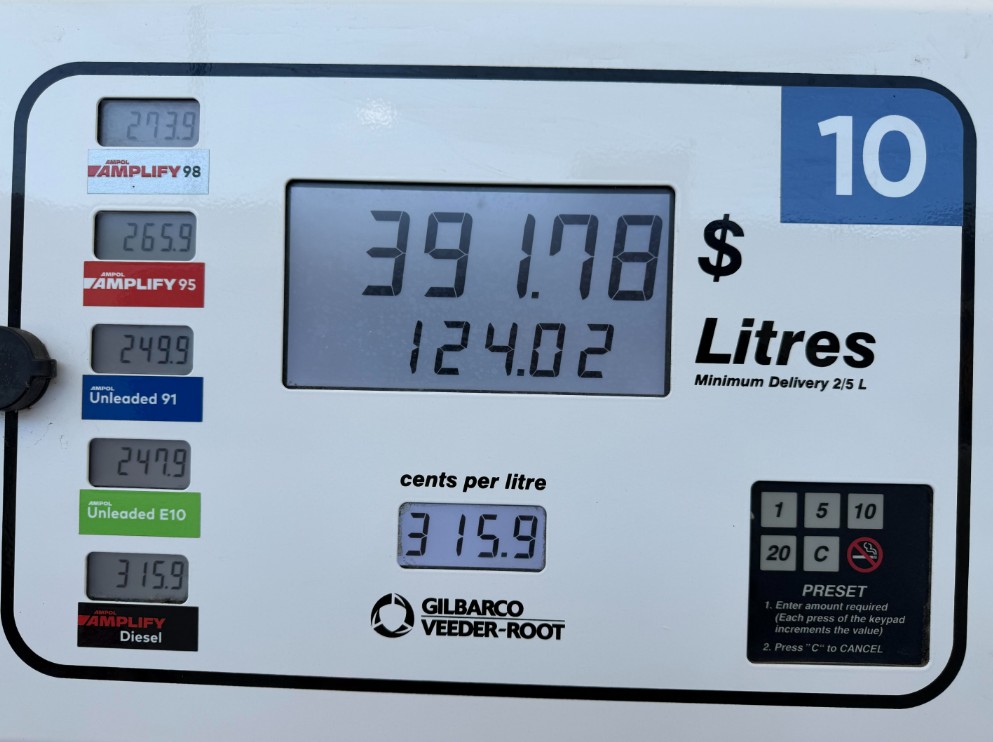
We all feel the pinch at the pump when global supply chains face disruptions. The current global fuel shortage affects every one of us, so to make sure our supply remains reliable, the Australian Government has implemented the 4-level National Fuel Security Plan.
This plan is designed to protect our nation against supply uncertainty. However, government action is only one part of the solution. Every individual driver has an essential role to play. By taking steps to reduce our own fuel use, we leave more resources for the people who truly need them to keep the country running.
Farmers, truck drivers, and emergency service workers rely heavily on a steady supply of fuel. Every drop you save helps build a much-needed buffer against future shortages. You don’t need to make massive lifestyle changes to contribute. Even a few simple, voluntary actions can make a massive difference.
Read on to discover practical fuel-saving tips that will lower your running costs and help keep Australia safe and moving.
Simple Vehicle Adjustments That Make a Difference
You might be surprised by how much fuel your car wastes before you even turn the key. Making a few quick adjustments to your vehicle can dramatically improve your fuel efficiency.
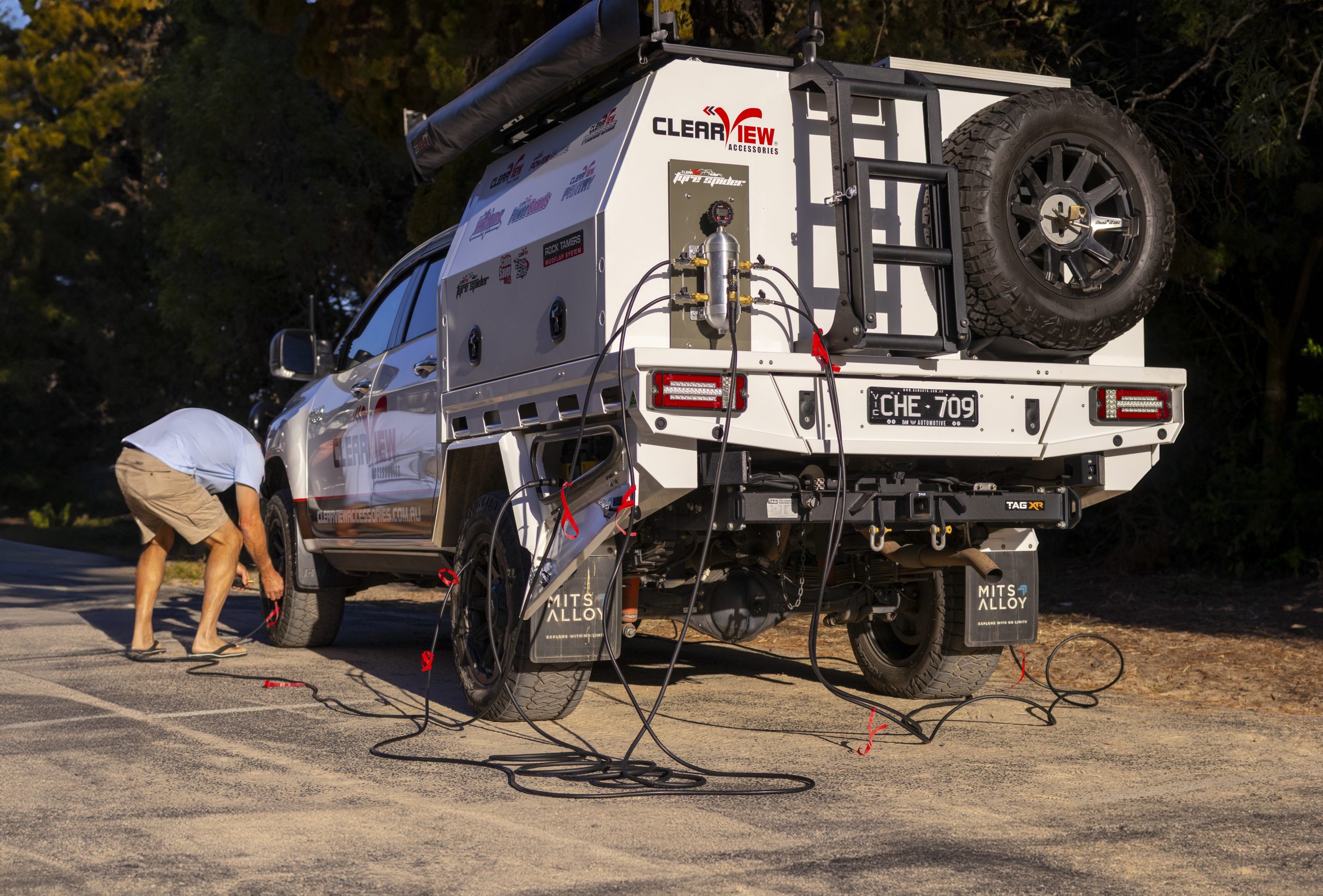
Look After Your Tyres
Tyre maintenance is one of the easiest ways to improve your fuel economy. Driving on under-inflated tyres increases resistance on the road, forcing your engine to work harder. Keeping your tyres properly inflated can reduce your fuel consumption by up to five percent.
Checking your pressure regularly will not only save fuel but also extend the life of your tyres and improve your car’s handling.
Remember to check your spare tyre as well, so it is ready and safe if you ever need it.
Travel Light
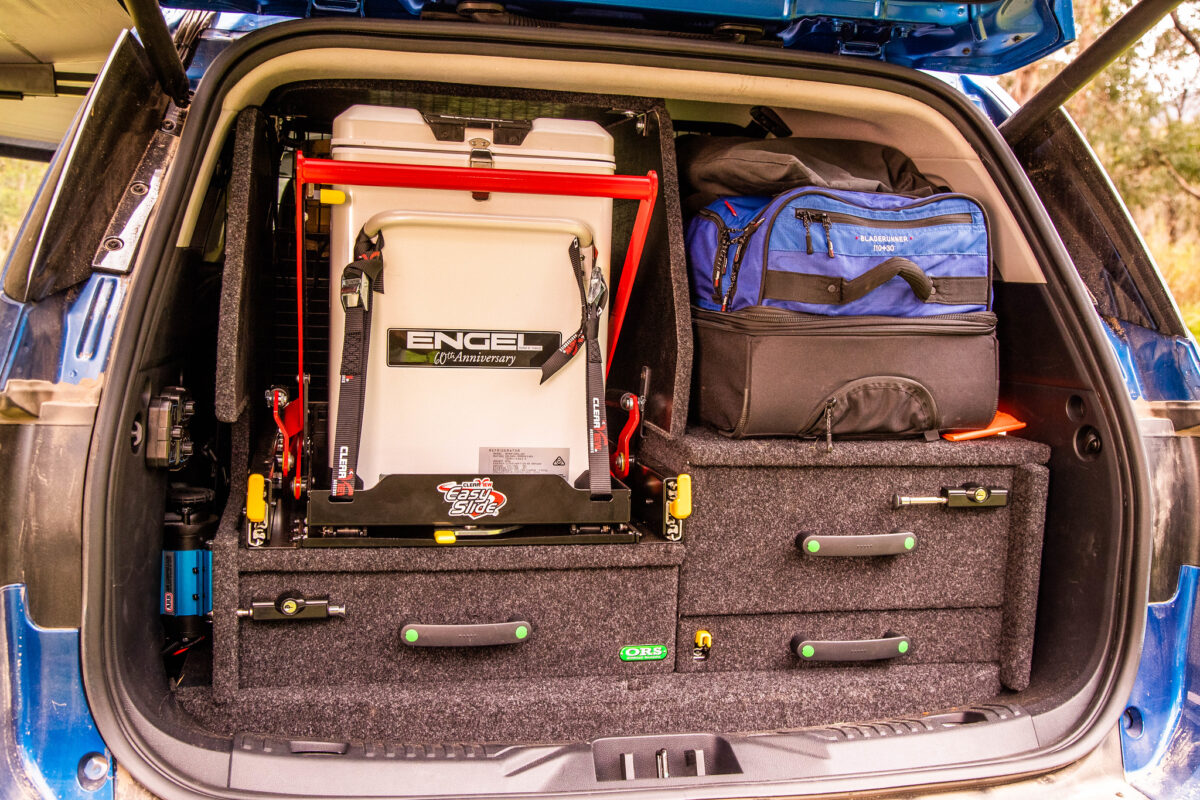
Cars are essentially heavy metal boxes, and adding extra weight only increases the amount of energy needed to move them. The more cargo your vehicle carries, the more fuel it burns. Minimising the amount of unnecessary heavy items you’re carrying around is a fast way to see savings.
Take a few minutes this weekend to clean out your car. Remove golf clubs, heavy tools, or boxes of donations you have been meaning to drop off. This simple habit of traveling light reduces the daily strain on your engine.

Minimise Aerodynamic Drag
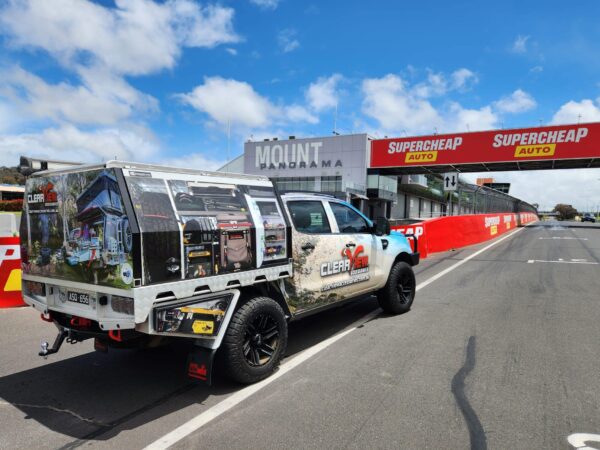
Your car is designed to cut through the air efficiently. Adding bulky accessories disrupts this airflow and creates aerodynamic drag, which severely impacts fuel efficiency. Removing extra exterior parts that you’re not currently using, such as rooftop tents, empty roof racks, storage boxes, or bike carriers can improve your fuel economy by up to 17 percent.
Driving with the windows down at high speeds also creates significant drag. Keep your windows rolled up when driving on the highway to maintain a sleek aerodynamic profile.
Use Air Conditioning on Low Settings
We all know how hot an Australian summer can get, but your climate control system draws power directly from the engine. Blasting the air conditioning or heating requires extra energy and increases your fuel consumption.
Adjusting the temperature levels in your car can make a measurable difference. If you can travel comfortably with the fan on a slightly lower setting, do so. On milder days, rely on your vehicle’s standard ventilation system rather than the air conditioning compressor.
Smart Driving Habits to Stretch Your Tank
How you drive is just as important as what you drive. Adjusting your behaviour behind the wheel is a powerful way to conserve fuel and protect your wallet.
Monitor Speed and Acceleration
Aggressive driving is the fastest way to drain your fuel tank. Unnecessary acceleration, harsh braking, and driving at high speeds dramatically increase fuel consumption and exhaust emissions. Minimising rapid acceleration by driving smoothly can reduce fuel consumption by up to 40 percent in city traffic.
Speed also plays a massive role in how much fuel you use. At 110 kilometres per hour, your car can use up to 25 percent more fuel than it would at 90 kilometres per hour. Use cruise control on highways to help maintain a steady, fuel-efficient pace.
Drive in the Right Gear
If you drive a manual vehicle, pay close attention to your engine revolutions per minute (rpm). Most engines run most efficiently between 1,500 and 2,500 rpm. Change through the gears before your car exceeds this range to optimise your fuel use.
If you drive an automatic, your transmission will shift up more smoothly if you ease back slightly on the accelerator once the car builds speed. This gentle approach prevents the engine from overworking.
Put a Stop to Idling
Idling gets you nowhere while still burning valuable fuel. Do not leave your engine running while parked or waiting for someone. If you know you will be waiting in your car for more than a minute, such as during school pick-up, simply turn the engine off.
Many modern vehicles come equipped with an automatic stop-start feature. Make sure this function is activated. Allowing your engine to turn off while waiting at red lights can save between one and two litres of fuel for every hour the engine remains off.
Rethinking Your Daily Commute
Sometimes the best way to save fuel is to change how you approach your daily travel. A little bit of planning goes a long way toward reducing your overall time on the road.
Plan Well and Combine Errands
One simple idea that yields great results is planning your trips in advance. Taking multiple short trips throughout the week uses significantly more fuel than one well-planned journey. This is because your engine operates less efficiently when it is cold.
Sit down and map out your errands for the week. Combine your grocery shopping, post office run, and appointments into a single continuous loop. This approach not only saves fuel but also frees up hours of your personal time.
Explore Alternative Travel Options
Minimising your vehicle use is the ultimate fuel-saving strategy. Planning your travel ahead of time often reveals cheaper and more efficient transport alternatives.
Consider catching the bus, train, tram, or ferry for your daily commute. Public transport is generally much cheaper than driving and eliminates the stress of peak-hour traffic. For shorter distances, walking or cycling are fantastic options that benefit both your wallet and your physical health.
You should also look into carpooling with friends or colleagues. Sharing a ride to a common destination splits the fuel cost and takes an extra vehicle off the road.
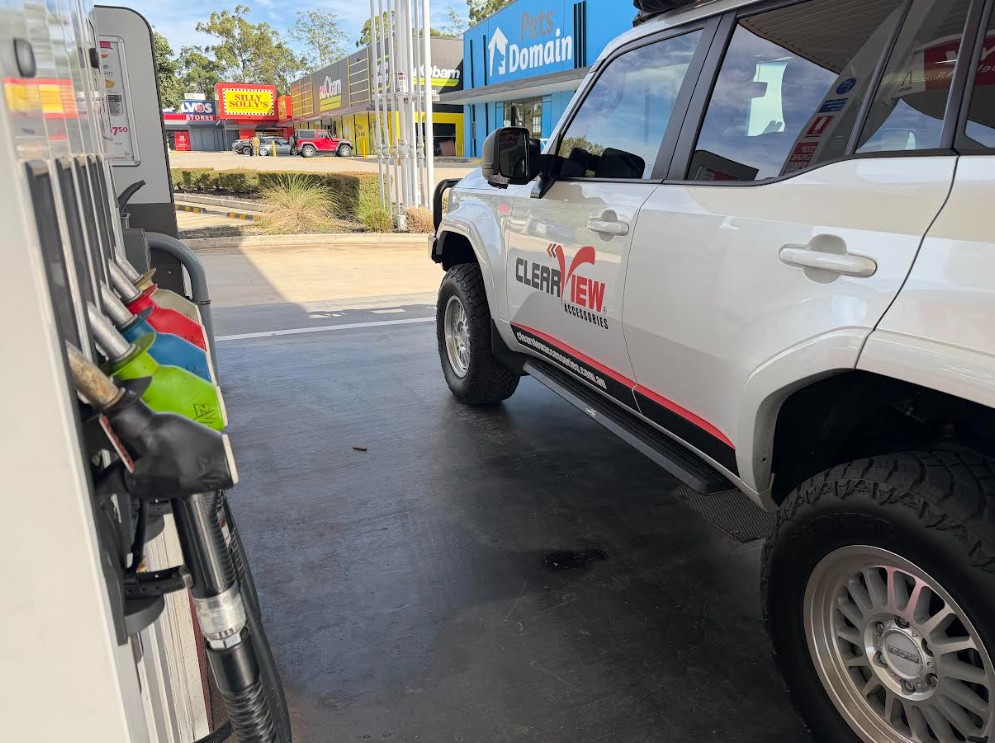
Be Strategic at the Pump
Finally, changing how you fill up your vehicle can help stabilise the national fuel supply and prevent unnecessary waste.
Only Buy What You Need
It is a common habit to fill the tank all the way to the top whenever we visit a petrol station. However, if you are not planning on driving much in the coming days, consider whether you truly need a full tank.
If you only use your car for short local trips, try getting by with a half tank. This lightens the weight of your vehicle and ensures there is enough fuel left in the station’s reserves for essential transport workers.
Do Not Overfill the Tank
When you do fill up, always stop pumping at the very first click of the fuel nozzle. Trying to squeeze in those last few drops is a waste of money. Any extra fuel pushed past the click is typically lost to overflow or evaporation.
Track Your Progress and Keep Moving Forward
Saving fuel is a collective effort, but the benefits start with you. If you are taking these steps to reduce your fuel use, try starting a travel log to monitor your progress. Reset your trip odometer and note the date of your fuel purchases to compare your savings over a month.
By taking a few simple actions, we can all contribute to the National Fuel Security Plan. Share these tips with your family and friends to multiply the impact. Together, we can build a strong buffer against uncertainty and keep Australia moving forward.
Most of us have bumped a side mirror at some point. A tight garage, a narrow track, an overeager reverse park. We shrug it off.
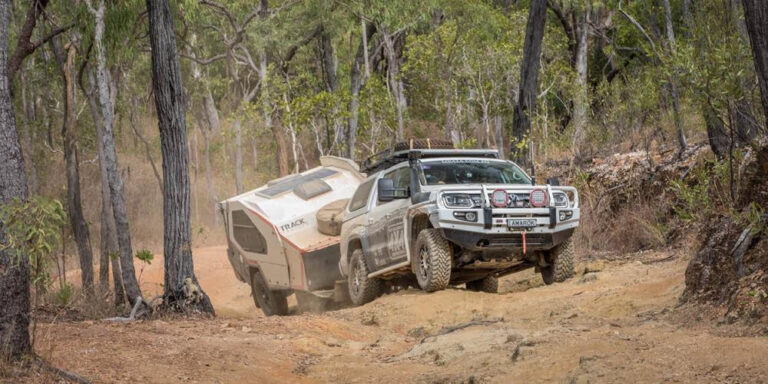
Spring might be the most underrated season for hitting the road with a caravan in tow. The summer crowds haven’t arrived. The winter chill has

Picture it: the sun’s barely up, the fish are biting somewhere out there, and you’re stuck at the ramp watching someone jack-knife their trailer for