
The Tiny Sensor in Your Mirror That Does More Than You Think
Most of us have bumped a side mirror at some point. A tight garage, a narrow track, an overeager reverse park. We shrug it off.

Imagine floating in the crystal-clear ocean as a gentle giant glides past you, or watching a tiny marsupial smile for your camera. Australia offers a wildlife landscape unlike anywhere else on Earth. The continent broke away from other landmasses millions of years ago, allowing a deeply unique ecosystem of animals to evolve in isolation. For nature lovers and adventure-seeking travellers, visiting this massive country means stepping right into a living nature documentary.
You do not need to look hard to find amazing animals here. However, knowing exactly where to go turns a good trip into a life-changing expedition. Getting up close to these creatures in their natural habitats provides a powerful connection to the wild.
This guide highlights the absolute best wildlife encounters across Australia. You will learn everything you need to know about swimming with whale sharks in Western Australia, meeting the famous quokkas of Rottnest Island, and spotting koalas on Kangaroo Island. We also include essential tips to make sure your animal interactions remain safe, respectful, and unforgettable.
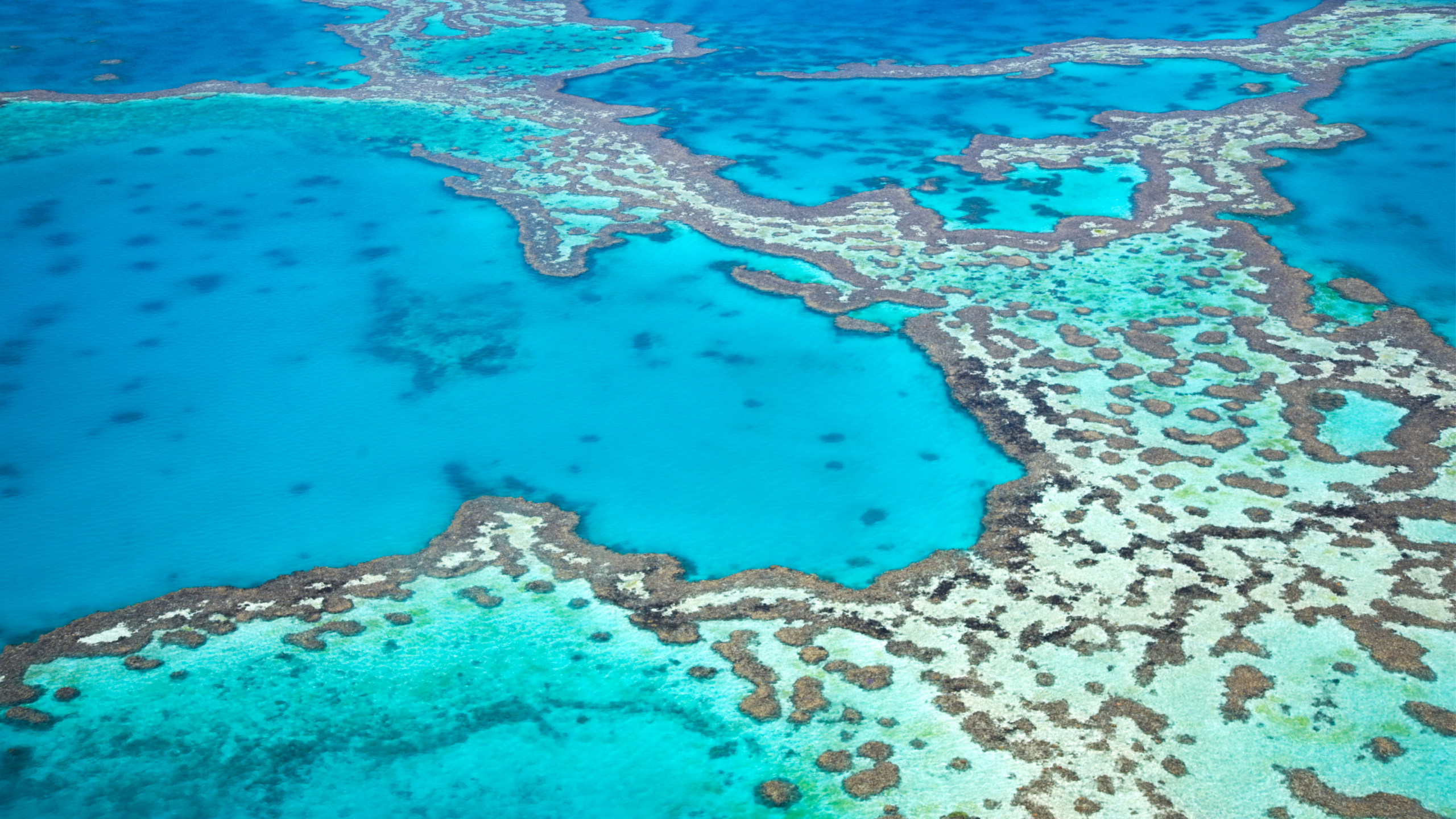
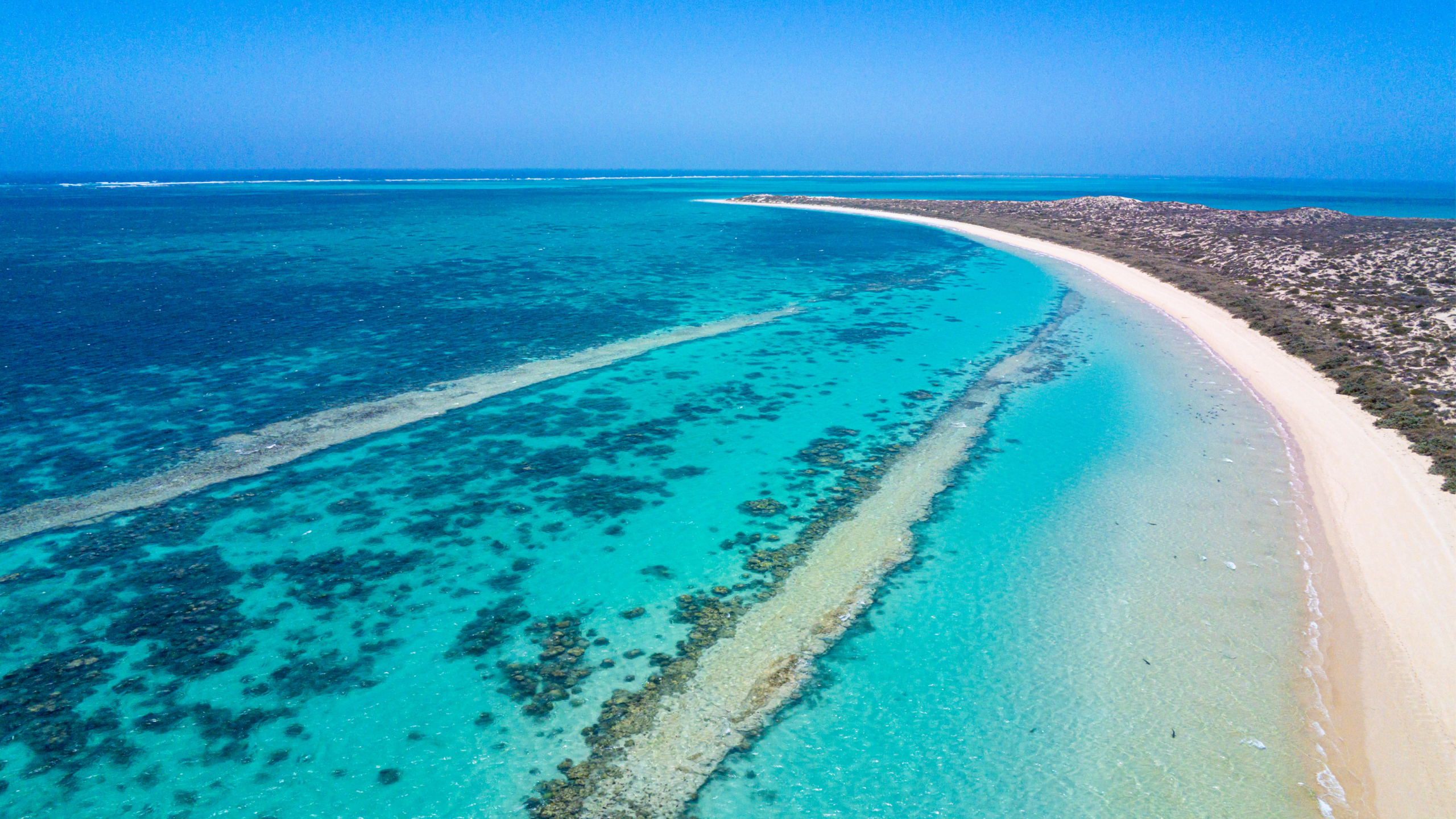
The Great Barrier Reef usually steals the spotlight, but Western Australia holds a spectacular ocean secret. Ningaloo Reef stretches for 160 miles along the remote Coral Coast. Unlike most coral reefs, you can step straight off the beach and start snorkelling among vibrant marine life. The main attraction, however, arrives in the deeper water between March and August.
Why This Encounter Is Special
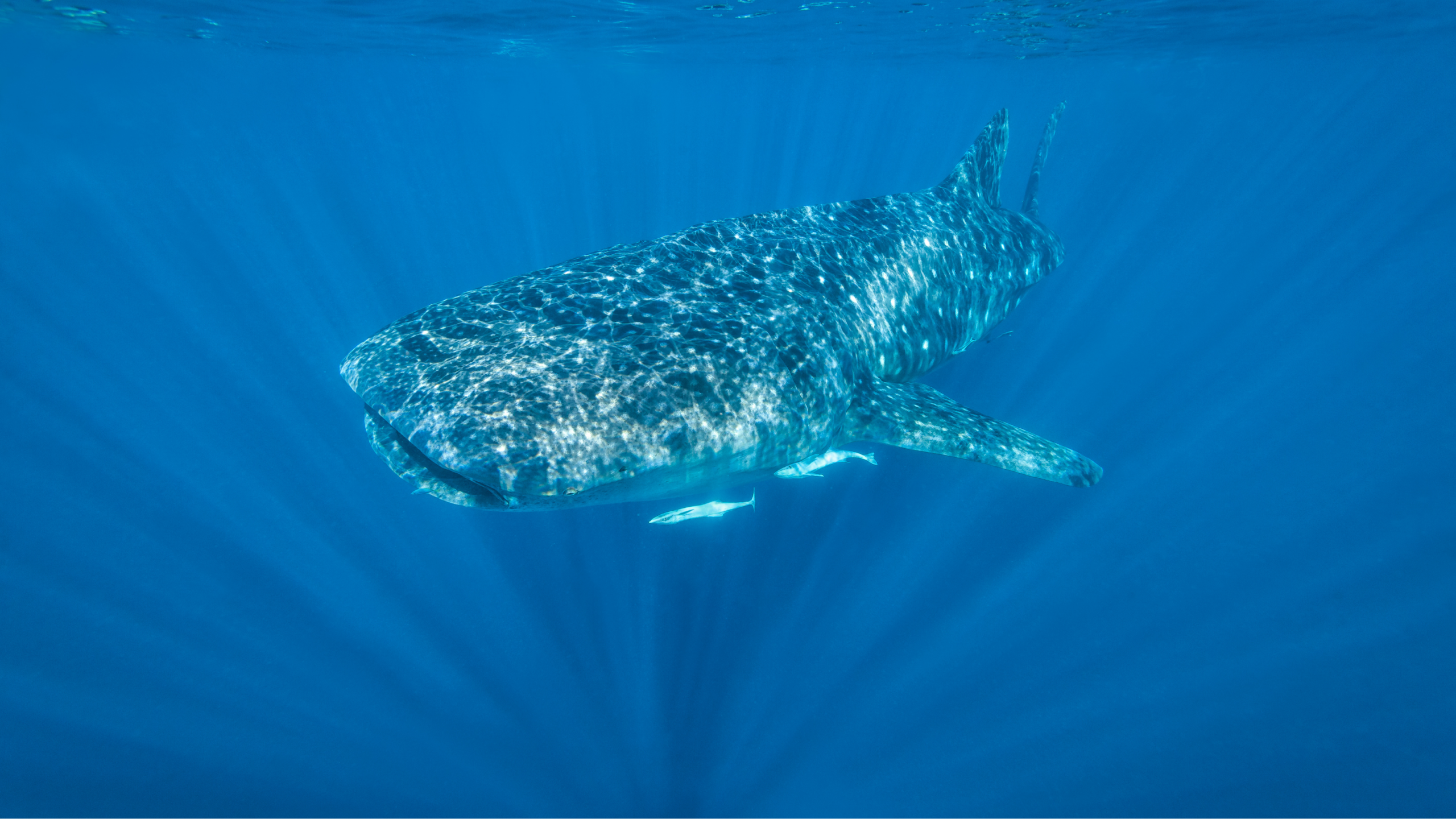
Whale sharks are the largest fish in the ocean. They can grow up to 40 feet long and feature a stunning pattern of white spots and stripes across their dark blue backs. Despite their massive size, these filter-feeding giants pose absolutely no threat to humans. They glide slowly near the surface, scooping up microscopic plankton and krill.
Swimming alongside a whale shark is a deeply humbling experience. When you drop into the water and wait for the shark to approach, your heart pounds with excitement. As the massive creature swims past, you can easily paddle alongside it. You get to observe its gills flexing and its massive tail sweeping through the bright blue water. It feels completely surreal to share the ocean with such a magnificent, peaceful giant.
Tips for Visitors
Book your tour well in advance, especially if you plan to visit during the peak months of April and May. Tours operate out of the coastal towns of Exmouth and Coral Bay. Choose an eco-certified tour operator. These companies follow strict guidelines to ensure the boats and swimmers do not stress or crowd the animals.
You need basic swimming skills to enjoy this encounter. The tour guides will provide wetsuits, fins, and snorkels. When you are in the water, you must maintain a safe distance of at least 10 feet from the shark’s head and body, and 13 feet from its tail. Never try to touch the whale shark. Simply float, watch, and let the animal dictate the pace of the encounter.
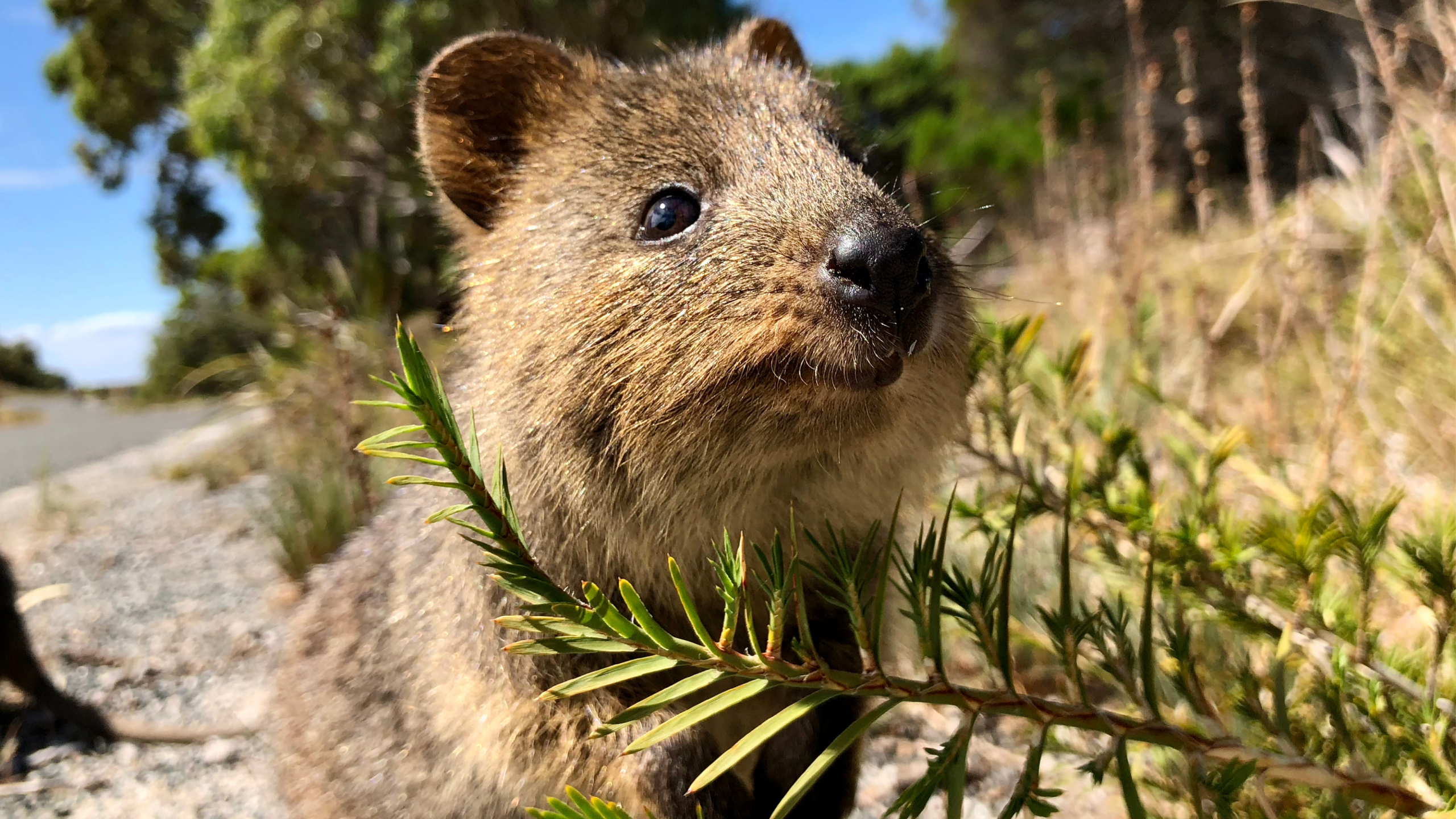
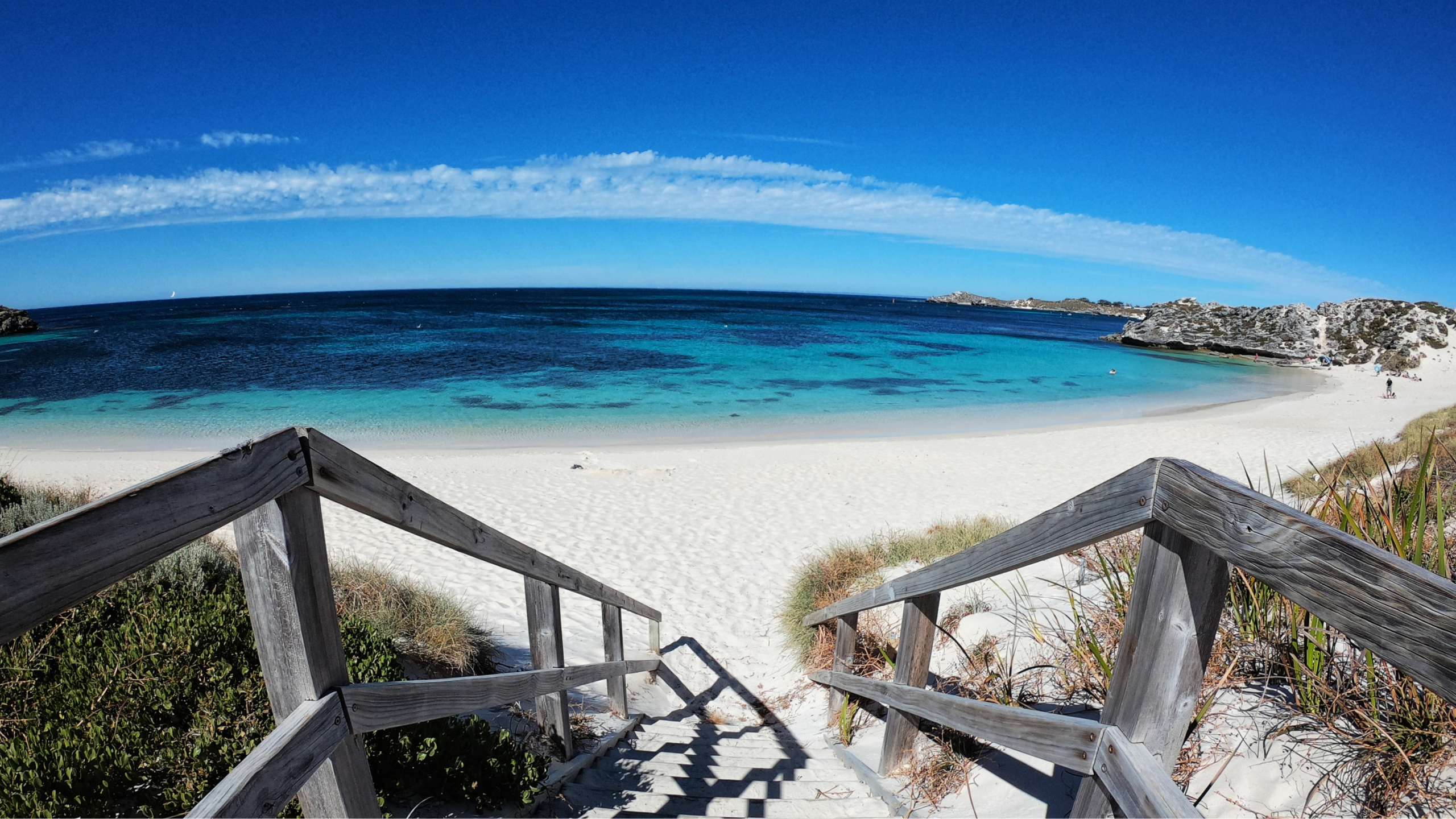
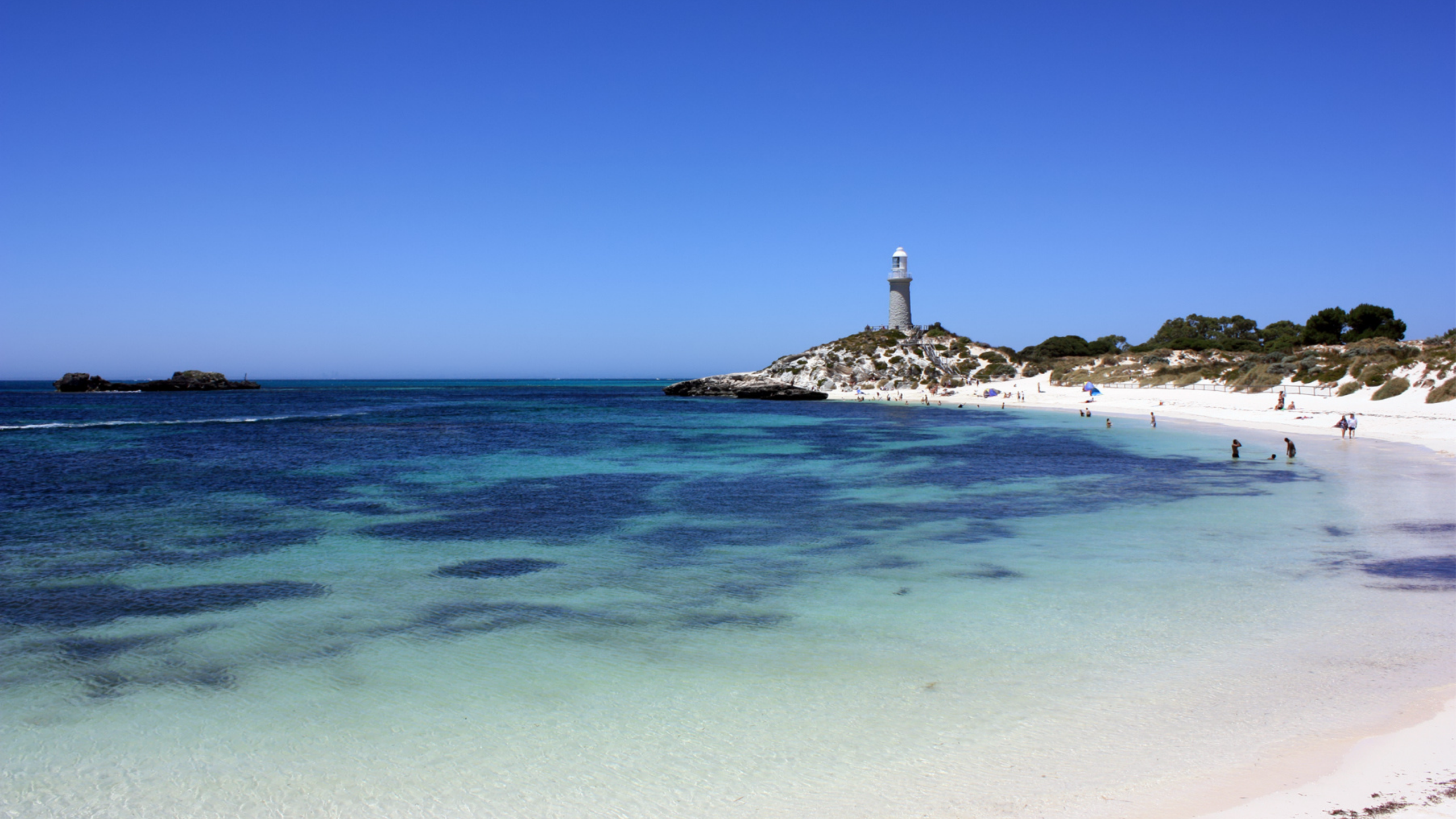
Just a short ferry ride off the coast of Perth lies Rottnest Island. This car-free island paradise features white sand beaches, hidden coves, and a fascinating history. However, the island is most famous for its permanent residents: the quokkas.
Why This Encounter Is Special
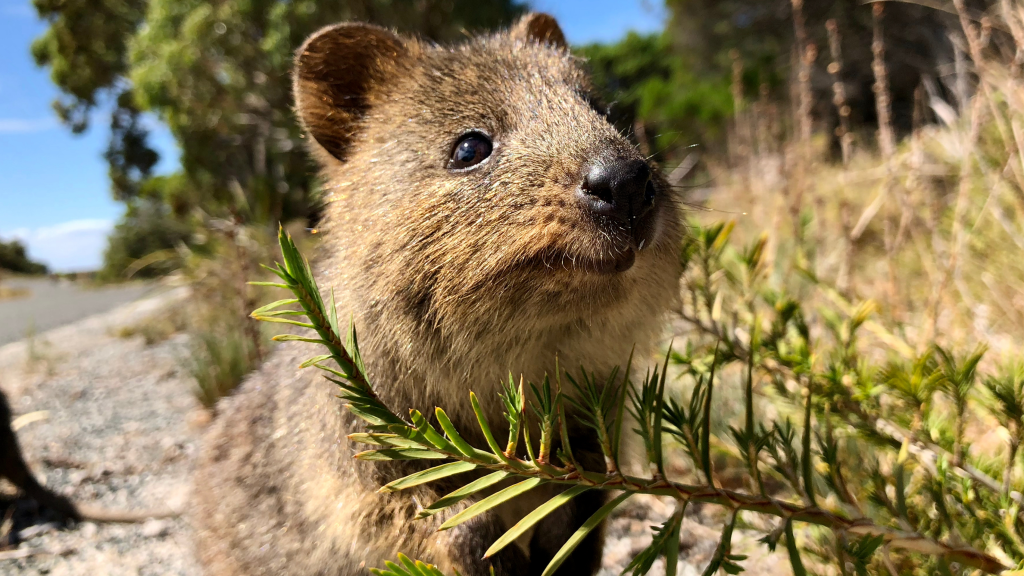
Quokkas are small, fluffy marsupials about the size of a domestic cat. They belong to the same family as kangaroos and wallabies. What makes the quokka truly famous is the natural shape of its mouth. The upward curve of their lips makes them look like they are constantly smiling. People often call them the happiest animals on Earth.
Unlike many wild animals, quokkas display very little fear of humans. They are incredibly curious and will often hop right up to visitors sitting on the grass or walking along the pathways. Getting a photo with a smiling quokka has become a rite of passage for travellers in Western Australia. Watching them nibble on native leaves or carry their tiny babies (joeys) in their pouches brings pure joy to anyone who visits.
Tips for Visitors
The best time to see quokkas active and foraging is during the early morning or late afternoon. During the heat of the midday sun, they usually sleep under the shade of thick bushes. Rent a bicycle to explore the island, as this gives you the freedom to find quieter areas where quokkas roam freely without large crowds.
You must remember that quokkas are wild animals, despite their friendly appearance. It is illegal to touch, pet, or feed them. Human food can make them extremely sick, and feeding them alters their natural foraging habits. To get a great photo, simply sit quietly on the ground and wait for a quokka to approach you. Use a selfie stick or a wide-angle lens to capture the famous smile without getting too close to their faces.
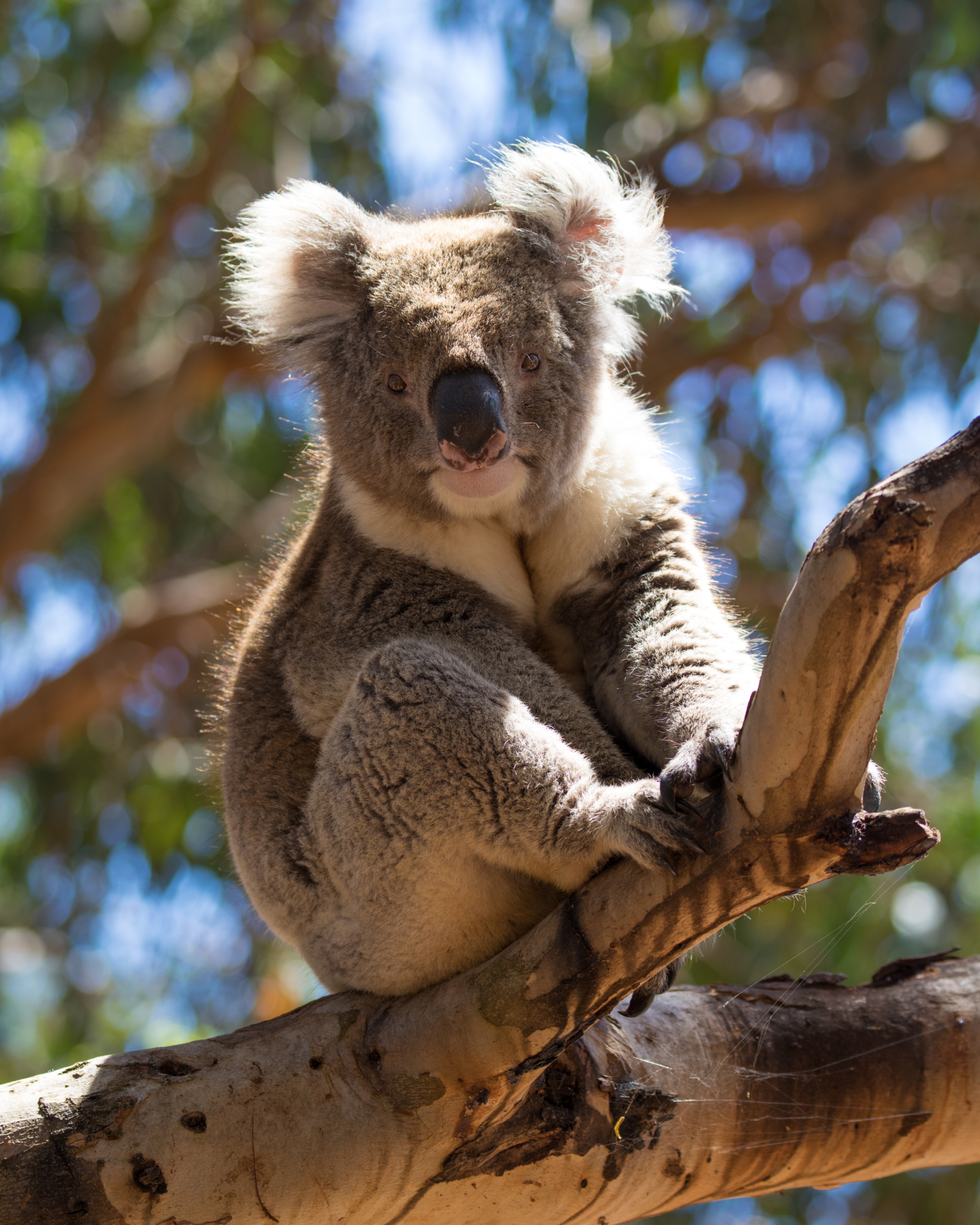
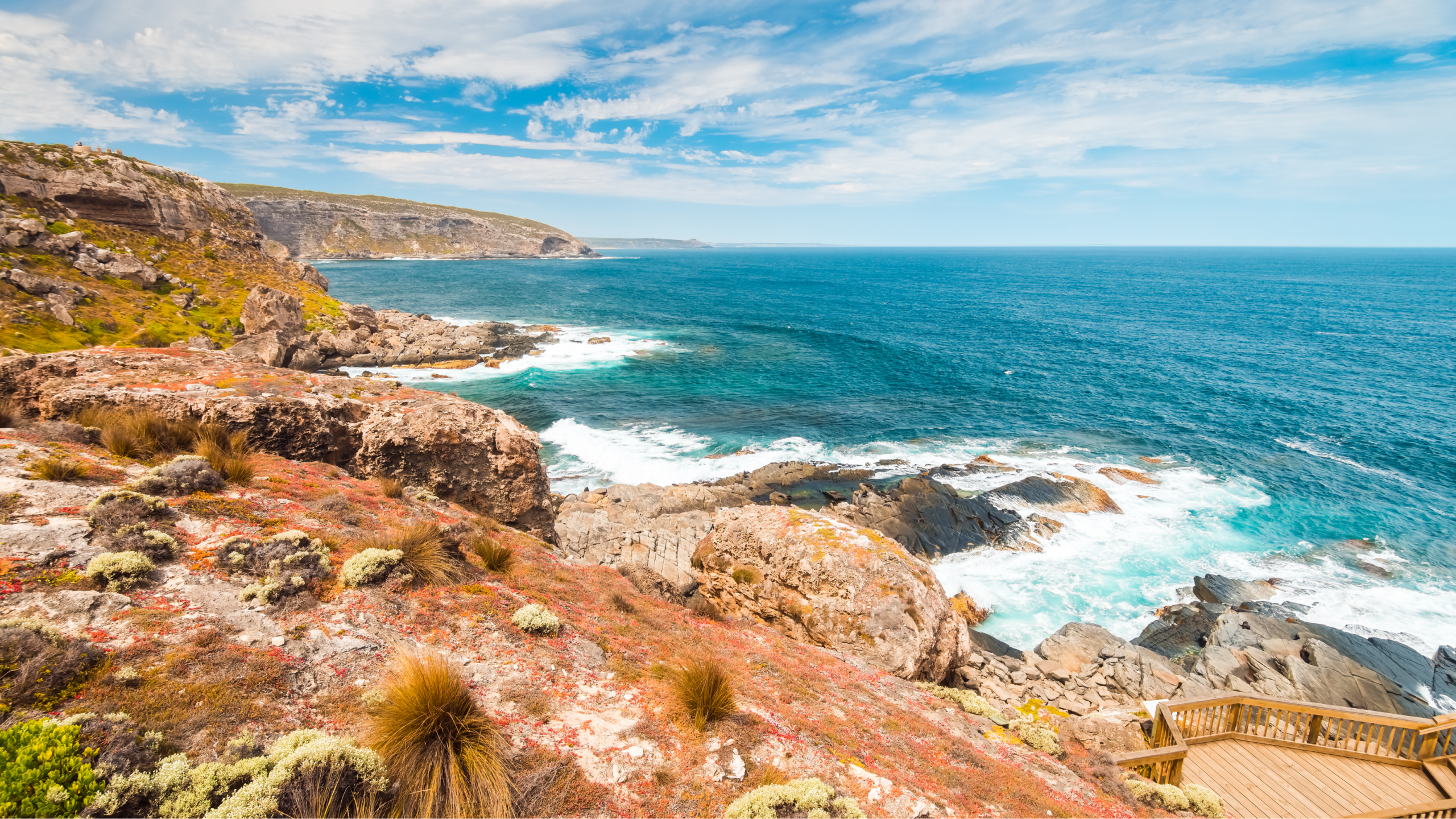
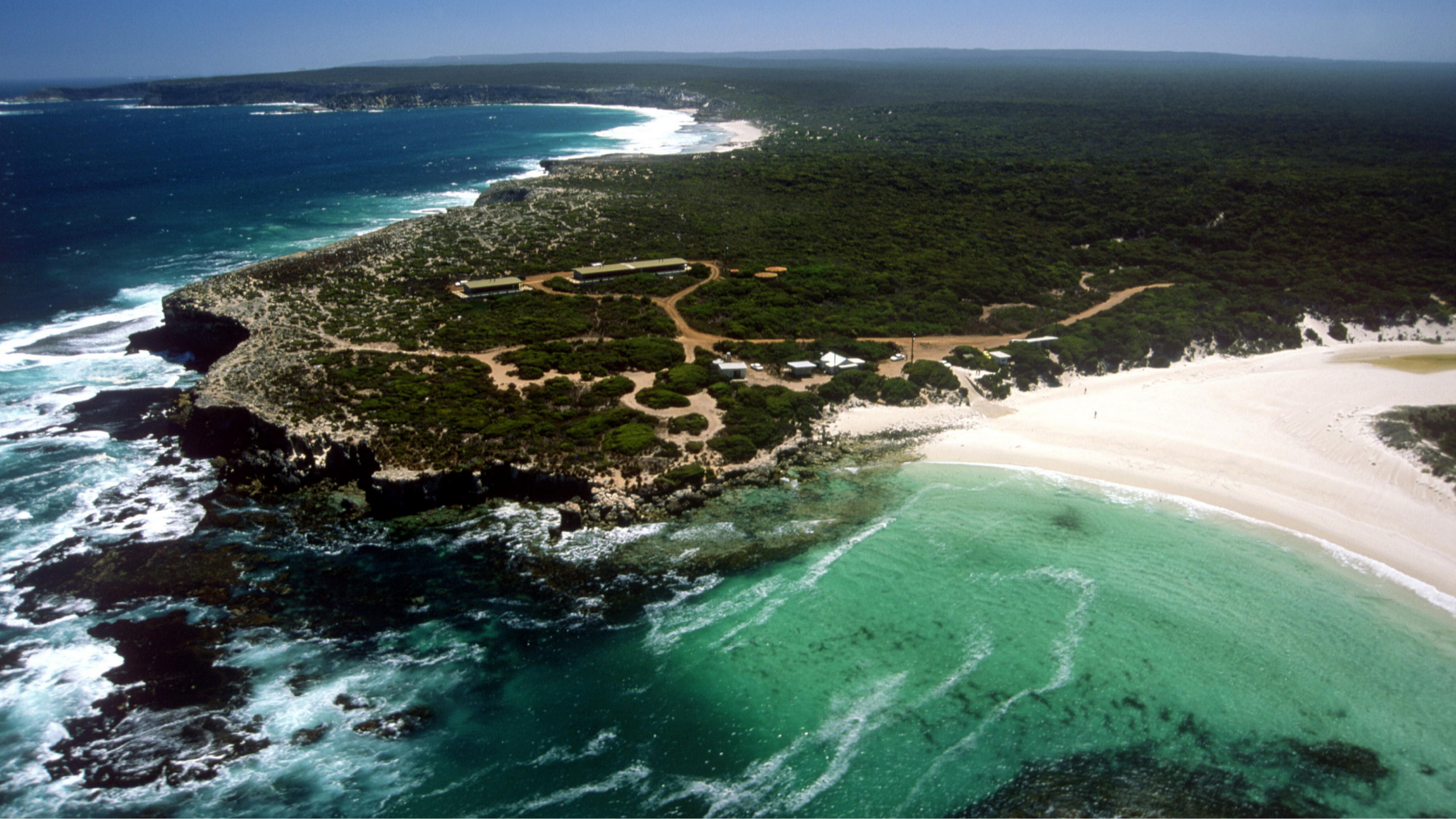
South Australia features a rugged, spectacular sanctuary known as Kangaroo Island. Located a short ferry ride from the mainland, this island serves as a refuge for some of the country’s most beloved native species. Over a third of the island is protected by nature reserves and national parks.
Why This Encounter Is Special
While you can see koalas in wildlife parks across the country, seeing them in the wild offers a much more authentic experience. Kangaroo Island boasts a massive, healthy population of wild koalas. Because the island lacks natural predators like dingoes, the koalas thrive in the dense eucalyptus forests.
Walking through the bushlands and scanning the treetops feels like a real-life treasure hunt. When you finally spot a koala wedged comfortably in the fork of a tree, it is a thrilling moment. You might catch them munching lazily on eucalyptus leaves or sleeping soundly, which they do for up to 20 hours a day. The peaceful nature of the island makes this an incredibly relaxing and rewarding wildlife encounter.
Tips for Visitors
Hanson Bay Wildlife Sanctuary and Flinders Chase National Park are the absolute best spots on the island for koala viewing. Walk slowly and keep your eyes focused high up in the crooks of the trees. Look for grey, fuzzy lumps nestled against the bark.
Bring a pair of binoculars or a camera with a good zoom lens. Koalas usually sleep high up in the canopy, so getting a close-up view requires some optical help. Keep your voice down while walking through the forests. Loud noises can startle them and cause unnecessary stress. If you see a koala walking on the ground to change trees, give it plenty of space to pass safely.
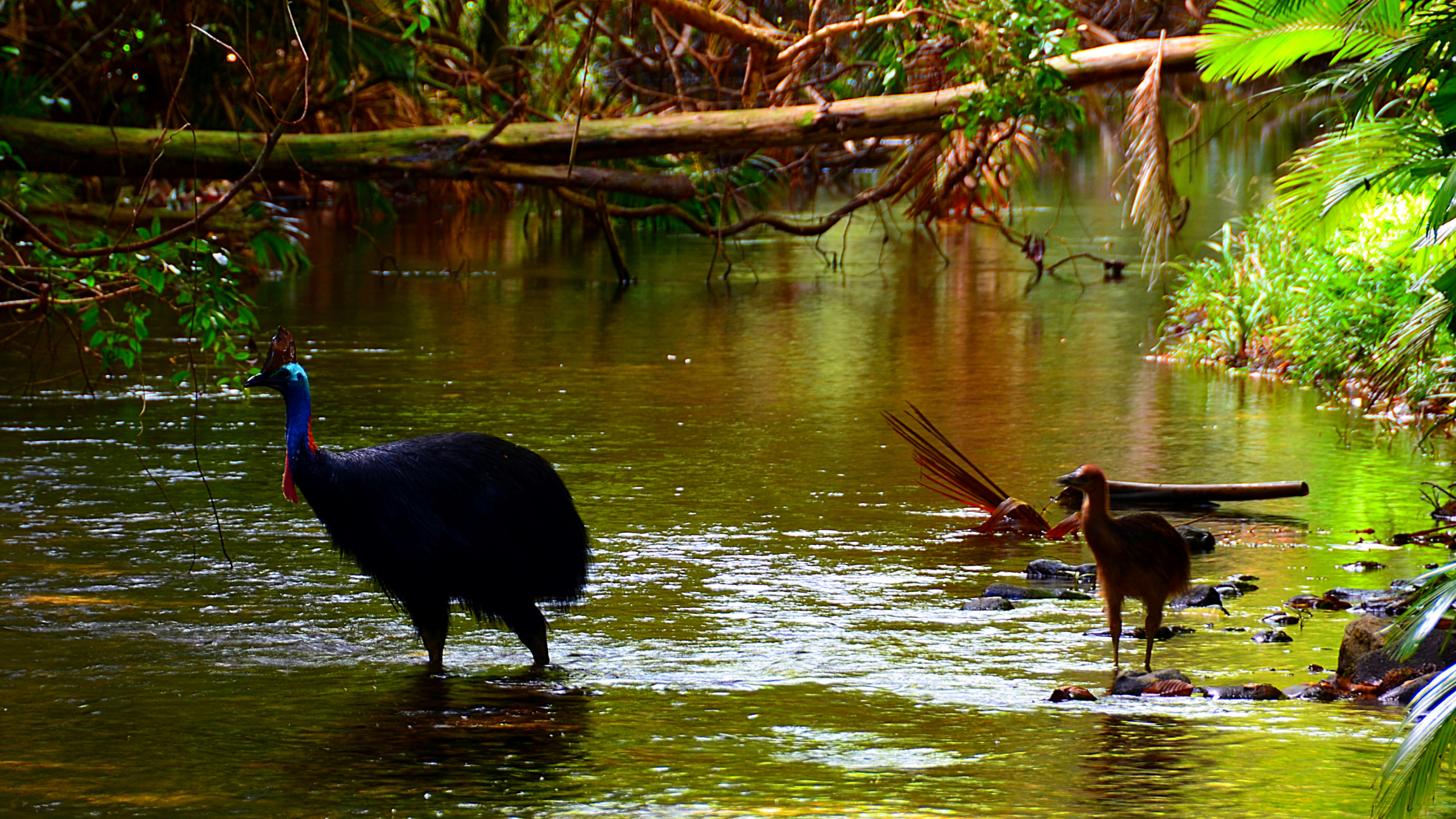
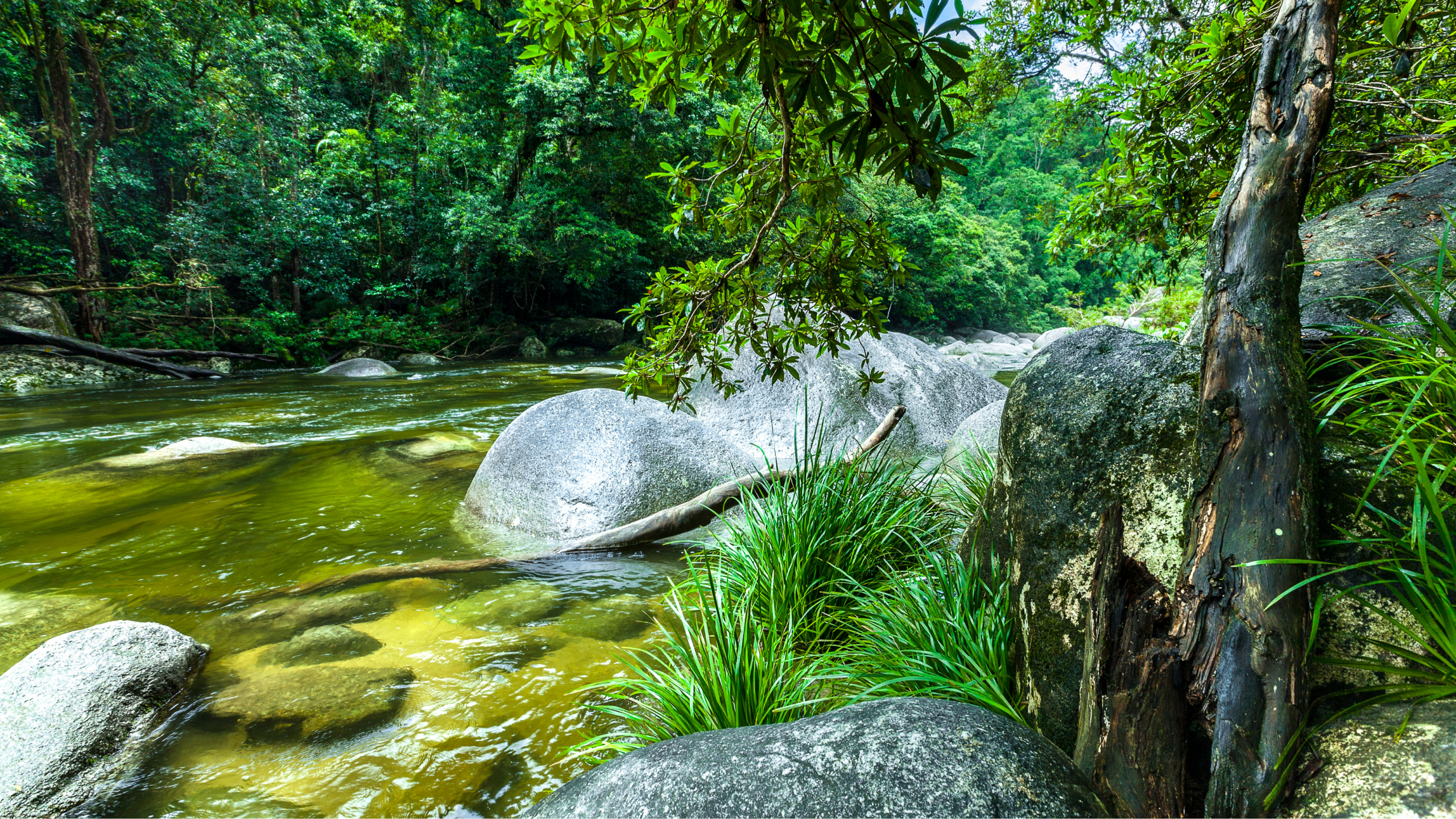
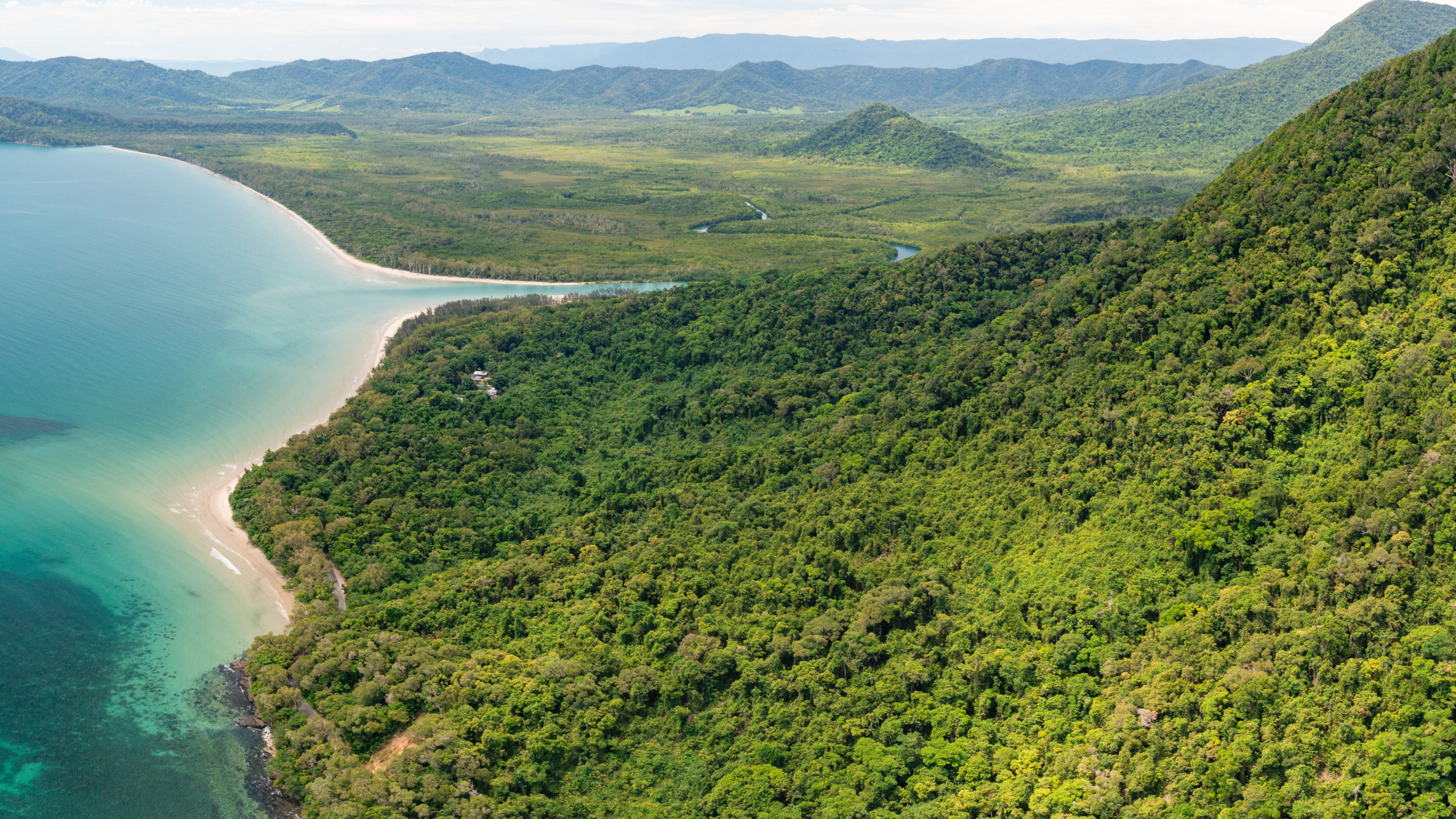
Tropical North Queensland houses the Daintree Rainforest, the oldest continuously surviving tropical rainforest in the world. Hidden deep within this lush green jungle lives one of the most fascinating and prehistoric-looking birds on the planet: the Southern Cassowary.
Why This Encounter Is Special
The cassowary looks like a living dinosaur. It stands nearly six feet tall, features bright blue neck skin, dangling red wattles, and a hard helmet-like crest on its head. These flightless birds play a crucial role in the rainforest ecosystem by eating large fruits and spreading the seeds across the jungle floor. Seeing a wild cassowary is a rare and breathtaking event. They move silently through the dense foliage, their dark feathers blending into the shadows. When one steps out onto a walking track or a quiet rainforest road, you immediately sense the raw, ancient power of nature.
Tips for Visitors
Cassowaries are highly territorial and possess powerful legs with sharp claws. You must treat them with extreme caution and respect. Never approach a cassowary or attempt to feed it. If you encounter one on a walking trail, stop immediately, slowly back away, and give the bird a wide berth to pass. Keep your camera ready, but prioritise your safety and the bird’s comfort above getting the perfect shot.
Australia provides endless opportunities to connect with nature. Whether you are holding your breath as a whale shark glides by, smiling back at a quokka, or searching the treetops for sleeping koalas, these encounters will stay with you forever.
To make the most of your trip, always prioritise respectful and responsible wildlife tourism. Choose ethical tour operators, give animals their space, and never feed wild creatures. Start outlining your itinerary, pack your camera and binoculars, and get ready to experience the wild, untamed beauty of Australia firsthand. Your next great adventure is waiting.
Most of us have bumped a side mirror at some point. A tight garage, a narrow track, an overeager reverse park. We shrug it off.
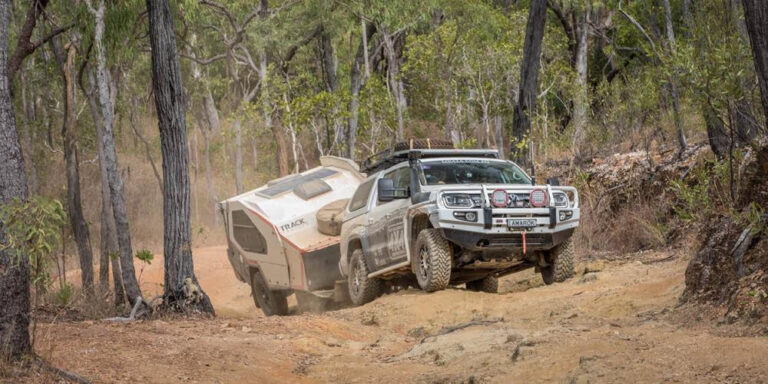
Spring might be the most underrated season for hitting the road with a caravan in tow. The summer crowds haven’t arrived. The winter chill has

Picture it: the sun’s barely up, the fish are biting somewhere out there, and you’re stuck at the ramp watching someone jack-knife their trailer for