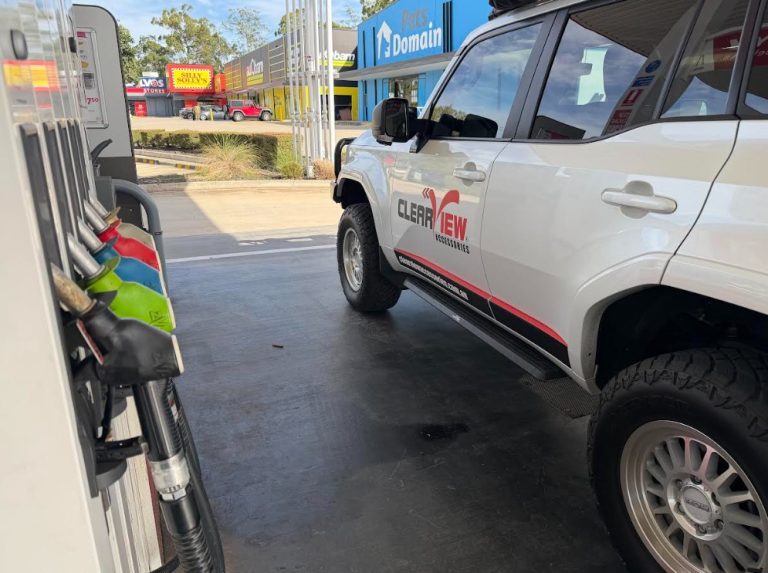
Navigating Australia’s 2026 Fuel Crisis as a Caravanner
Hitting the open road with a caravan hitched to the back is a quintessential Australian dream. For decades, retirees, families, and solo adventurers have tackled

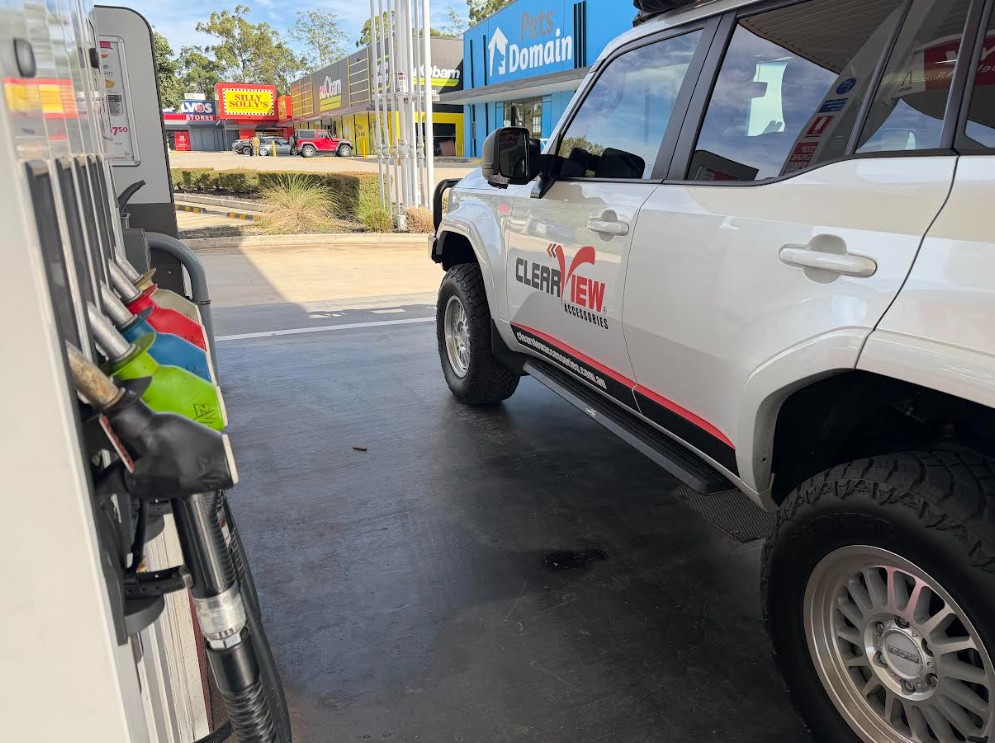
Hitting the open road with a caravan hitched to the back is a quintessential Australian dream. For decades, retirees, families, and solo adventurers have tackled the Big Lap to experience the country’s vast and stunning landscapes. However, an unprecedented challenge currently confronts the touring community. As of March 2026, fuel prices across Australia have skyrocketed to historic highs, forcing many tourers to rethink their itineraries, budgets, and driving habits.
If you are planning a trip or are already halfway across the Nullarbor, you have likely felt the severe pinch at the bowser. The rising cost of both unleaded petrol and diesel is fundamentally changing the way Australians approach road trips.
We break down the current state of fuel prices, shed some light on the global events driving this surge, and explore the practical strategies caravanners can use right now to keep their travel dreams alive.
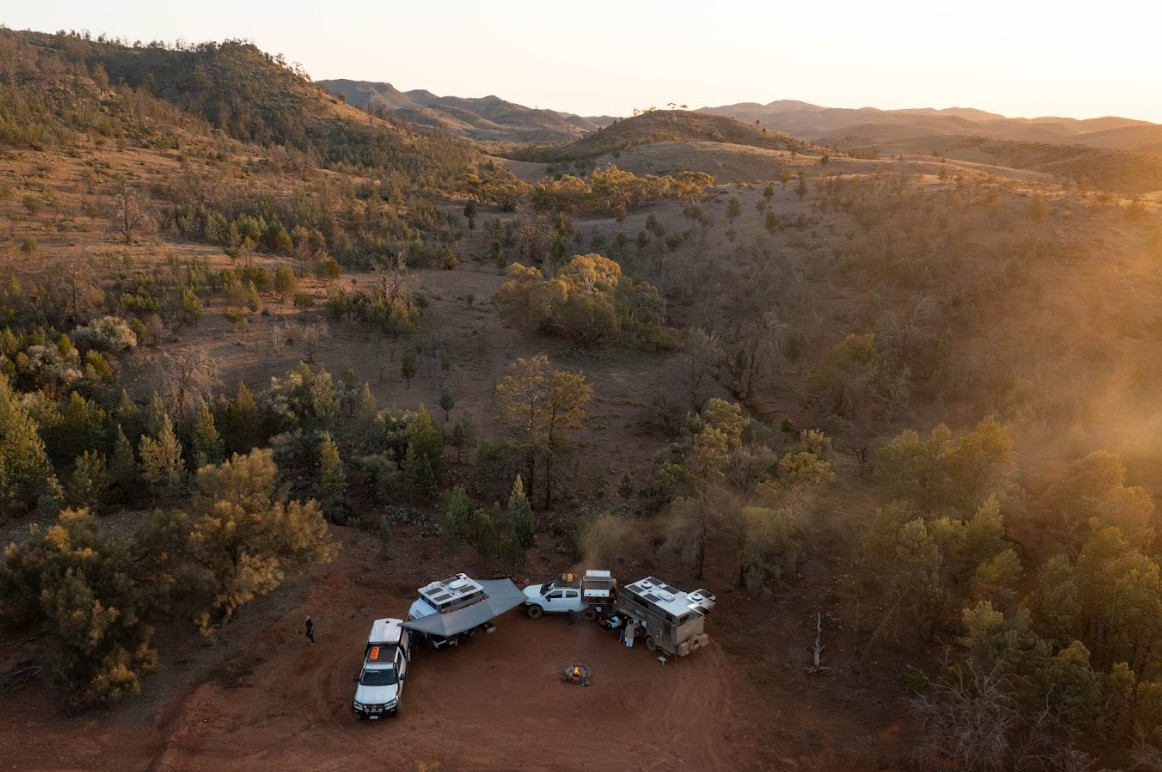
The Current State of Fuel Prices in Australia
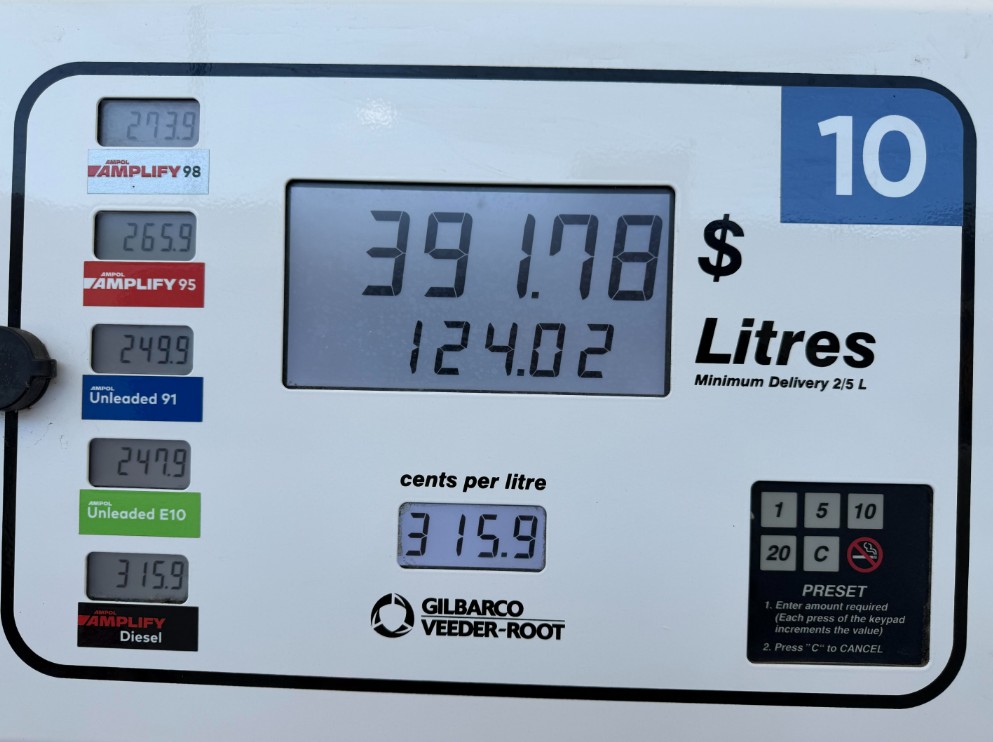
To understand the sheer scale of the current situation, you only need to look at the numbers displayed on service station signs across the country. As of mid-March 2026, the national average price for unleaded sits at AUD $2.23 per litre. Diesel, the absolute lifeblood for most of the towing community, as well as freight, logistics, agriculture, mining, and heavy machinery, is faring even worse. The national average for diesel has pushed up to AUD 245.6 cents per litre, with remote regional stations charging well beyond that figure.
This represents the sharpest rise in fuel prices across the developed world in recent memory. Unleaded petrol prices jumped over 30 percent in just a few weeks, while diesel spiked by a massive 40 percent. For a caravanner filling up a standard 120+ litre long-range tank, the financial reality of these increases is hard to ignore. A single fill-up now costs significantly more than it did at the start of the year, instantly blowing out carefully calculated travel budgets.
What is Driving the Price Surge?
The root cause of this sudden price explosion lies well beyond Australia’s borders. The international oil market is experiencing severe disruptions due to escalating conflicts in the Middle East. Specifically, the closure of the Strait of Hormuz—a critical maritime chokepoint that handles a massive portion of global oil shipments—has sent crude oil prices well past $100 a barrel.
Australia is uniquely vulnerable to these global shocks. The country imports roughly 90 percent of its refined fuels from Asian suppliers like South Korea, Singapore, and Malaysia. With international supply chains bottlenecked and global stockpiles dwindling, the cost to import fuel has soared. Furthermore, low domestic reserves of diesel mean that any disruption to shipping schedules creates immediate scarcity and price hikes at local service stations.
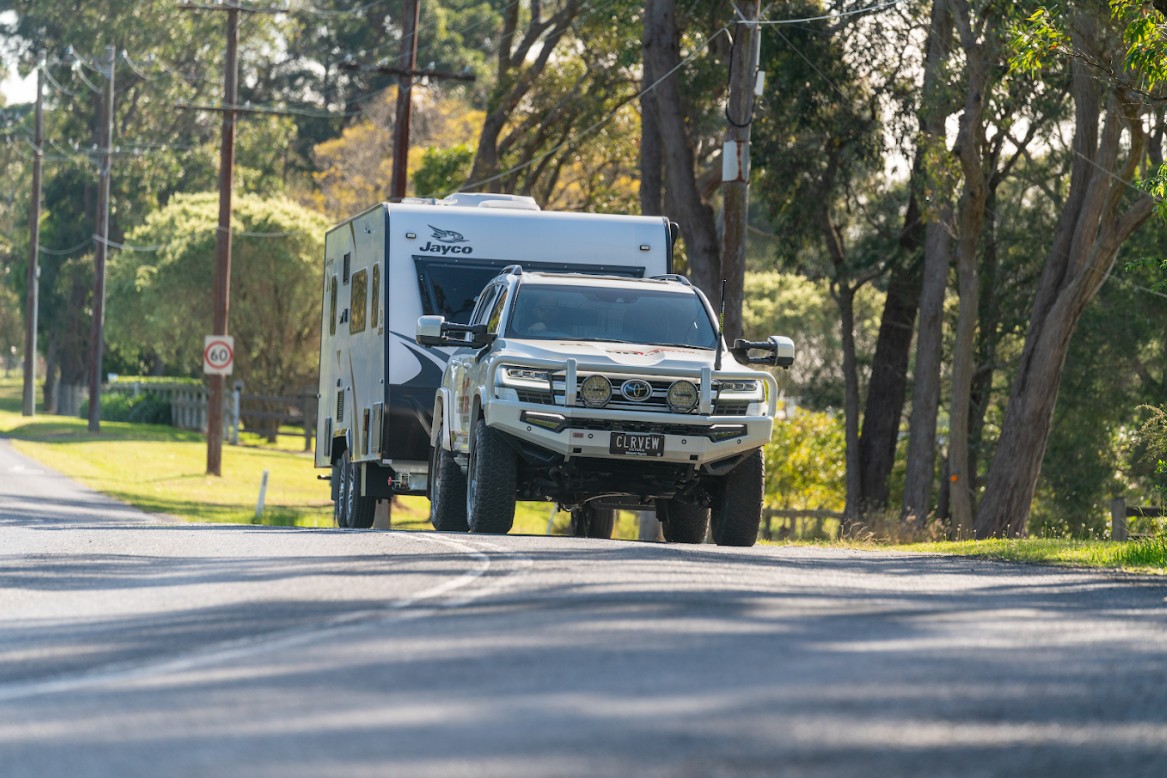
How Surging Fuel Prices Impact Caravanners
For the caravanning community, fuel is not an optional luxury; it is a mandatory daily expense. When fuel prices spike, the impact ripples through every aspect of a road trip.
The psychological toll is just as heavy as the financial one. Many travellers plan their big laps years in advance, living on fixed retirement incomes or strict savings plans. Recent industry surveys reveal a distinct threshold for travellers: the $3 per litre mark. If fuel breaches $3 a litre, over 60 percent of active travellers admit they will drastically alter or cancel their current plans.
This anxiety goes beyond just paying for the fuel. In remote areas, there is a growing fear of actual fuel shortages. Travellers worry about draining the limited diesel supplies of small farming and mining towns, where local industries rely heavily on that same fuel to operate. Consequently, the rising prices are creating a wave of hesitation across the drive tourism sector, threatening the regional economies that rely heavily on the annual influx of grey nomads and holidaymakers.
Strategies Caravanners Are Using to Cope
Despite the grim numbers at the pump, the caravanning community is remarkably resilient. Rather than abandoning the lifestyle altogether, travellers are adapting to the new economic reality. Some of the strategies caravanners are adopting to manage the 2026 fuel crisis include;
Adjusting Travel Distances
The most immediate change travellers are making involves the scale of their journeys. Instead of embarking on a 10,000-kilometre cross-country epic, many are opting for localised touring. Caravanners choose to holiday closer to home, focusing on regions they can reach within a few hundred kilometres.
By reducing the overall distance travelled, you can significantly shrink your fuel budget. Exploring your own state or territory still offers incredible scenery and experiences, but without the devastating fuel bills associated with crossing the outback.
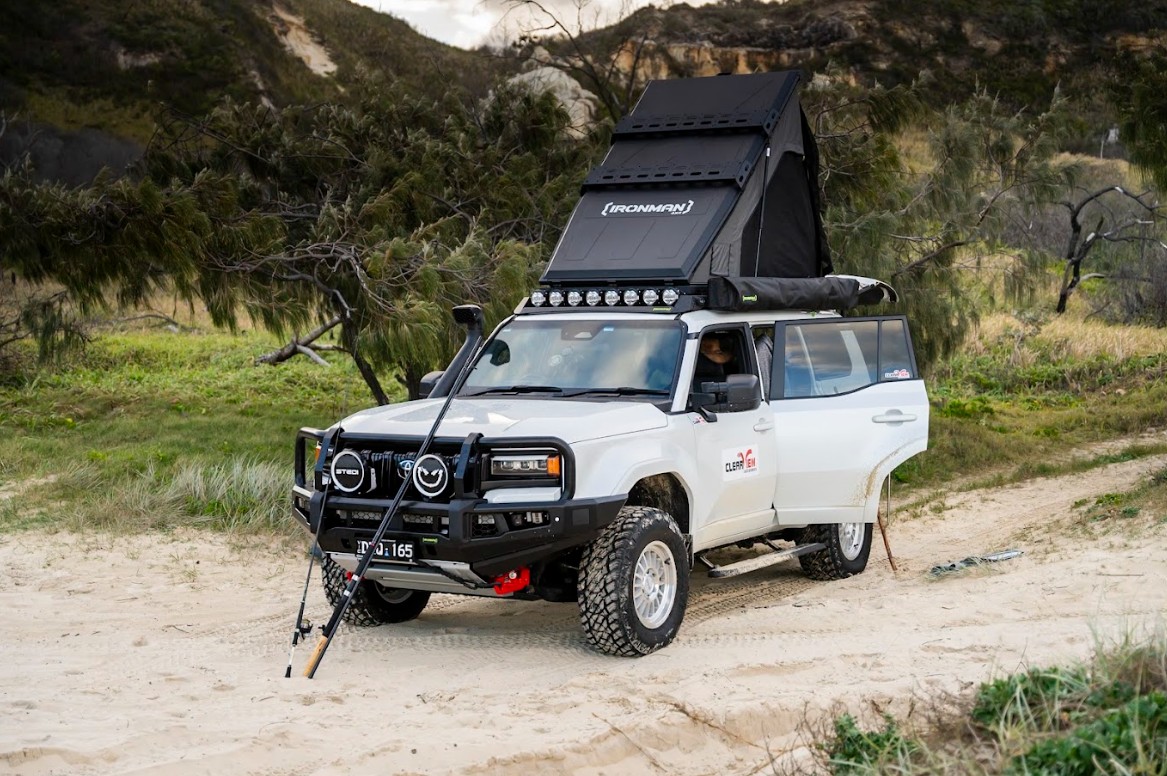
Staying Longer at Destinations
The era of the “one-night stand” might be pausing for now. To spread out the cost of transit, caravanners are embracing the concept of slow travel. Instead of driving to a new town every second day, travellers are booking caravan parks or setting up at free camps for weeks at a time. Staying longer in one location drastically reduces your weekly fuel consumption. It also allows you to truly immerse yourself in a local community. You can explore nearby attractions on foot, by bicycle, or through short, unhitched drives, saving the heavy towing for infrequent moving days.
Altering Driving Habits for Efficiency
When fuel costs a premium, every drop matters. Caravanners are aggressively changing how they drive to maximise their fuel economy. One of the most common tactics is reducing cruising speeds. Dropping your highway speed can improve fuel efficiency when towing a heavy load.
Travellers are also paying closer attention to their vehicle mechanics. Towing in the correct gear—such as dropping out of overdrive to prevent the engine from labouring—helps maintain momentum without burning excessive fuel. Don’t forget to also check tyre pressures, shed unnecessary payload weight, and ensure your rig is as aerodynamic as possible.
Pausing or Delaying Trips
For some, the math simply no longer works. A portion of the caravanning community is making the difficult decision to pause their travels. Some travellers are parking their vans at home and waiting for the global market to stabilise. Others currently on the road are pausing their journeys midway, choosing to rent a site long-term rather than pushing forward into uncertain fuel availability.
Smart Planning Advice for Your Next Trip
If you still plan to hitch up and head out during this period of high fuel prices, preparation is your best defence. You can still enjoy an incredible Australian adventure if you plan smartly and remain flexible.
First, recalculate your budget using a worst-case scenario. Base your fuel estimates on the $3.50 per litre mark. If you can afford the trip at that price point, you will reduce the financial stress if prices fluctuate during your journey.
Second, use technology to track down the best fuel deals. Download real-time fuel mapping apps to your phone. These apps rely on crowdsourced data to show you the exact price of diesel and unleaded at stations along your route, helping you avoid price gouging. If you plan to travel through remote areas, call ahead to the local roadhouses. Confirm that they actually have diesel in their tanks before you commit to driving hundreds of kilometres down an isolated highway.
Next, look for opportunities to offset your costs elsewhere. Several holiday park chains have recognised the pain their customers are feeling and have introduced fuel offset programs. For example, some networks offer account credits or discounted site fees for guests who book multi-night stays. Take advantage of these promotions to balance out your increased transit costs.
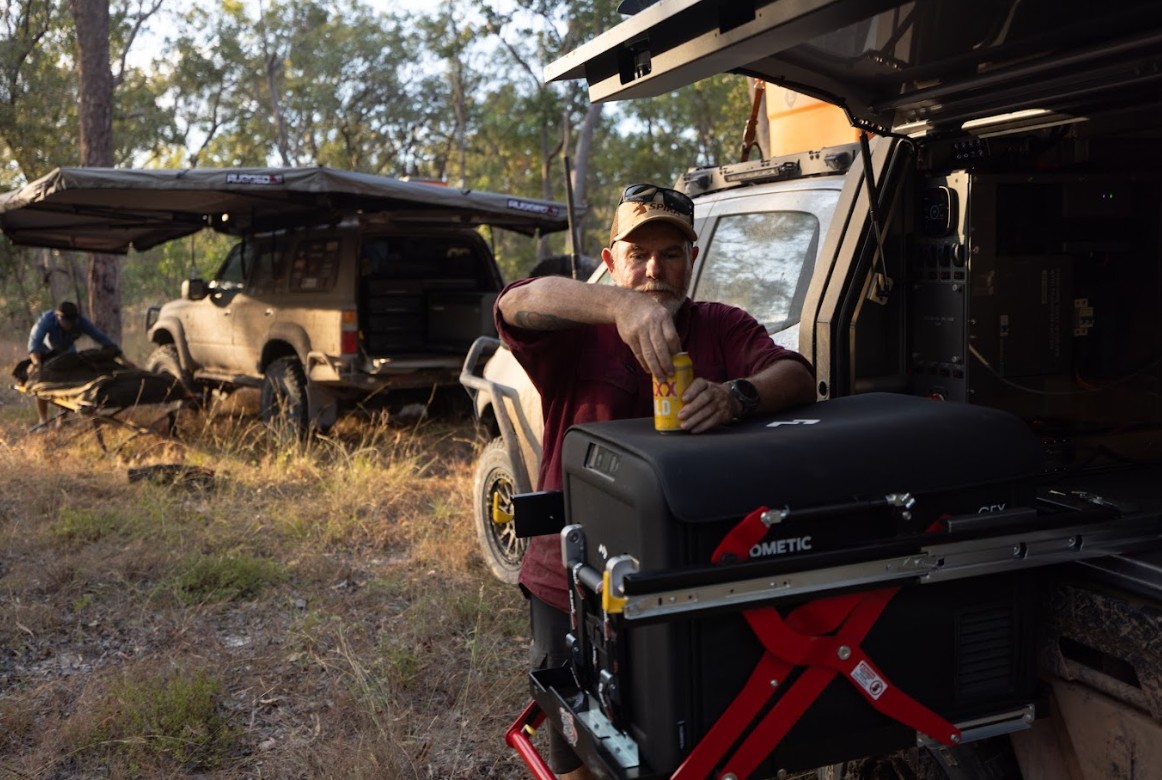
Finally, embrace off-grid capabilities. If you have solar panels, lithium batteries, and decent water storage, utilise free or low-cost camping areas. The money you save on the more expensive powered caravan sites can be redirected straight into your fuel tank.
The current fuel crisis undoubtedly presents a major hurdle for Australian caravanners. However, the open road is not going anywhere. By slowing your pace, reducing your travel radius, and planning more, you can weather this storm and continue making unforgettable memories on the road.
Hitting the open road with a caravan hitched to the back is a quintessential Australian dream. For decades, retirees, families, and solo adventurers have tackled
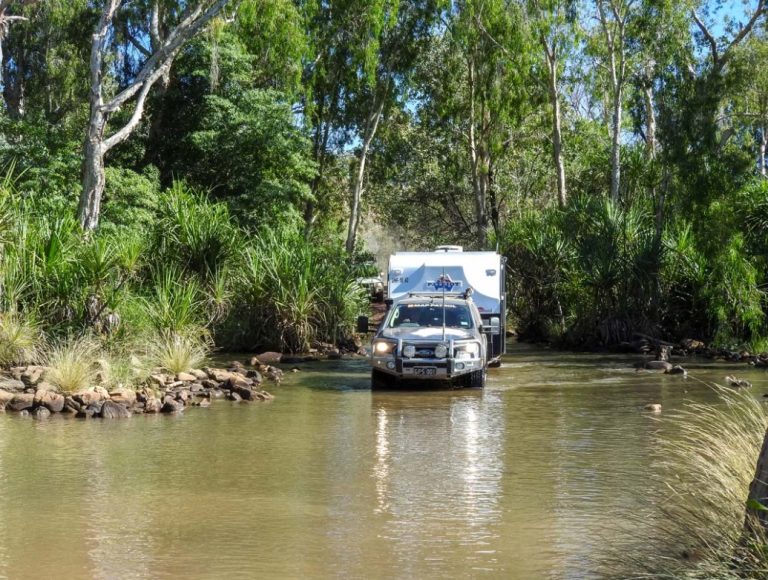
Have you been dreaming of red dirt roads, endless blue skies, and starry outback nights? If you want to experience the very best of northern
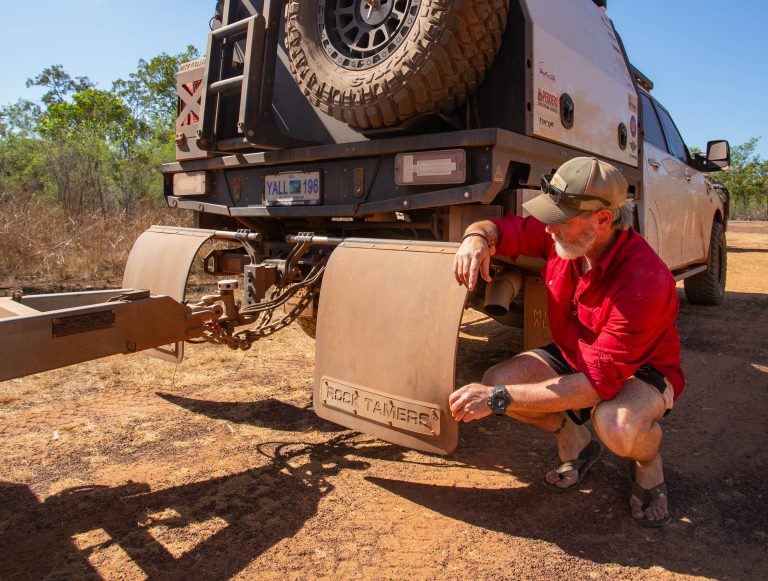
Towing across Australian roads exposes your vehicle, caravan or trailer to constant risk from stones, debris and road spray. Over time, this can lead to